
Welcome to Made In NYC, a City Guide feature where you can test your knowledge of brands, innovations, and inventions that came from New York City.
We'll be adding new mysteries weekly like a heartland truck company, a cup with a southern name, a "paint like no other," and other products that got their starts right here in New York City.
THE MRI
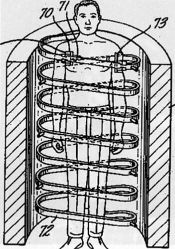
The MRI has save tens of millions of lives and improved countless others by providing a window into the body. Dr. Raymond Damadian, who grew up in Forest Hills, came up with the concept. He theorized that magnetic resonance could reveal the difference between cancer cells and the non-cancerous. It took him five years to get a patent approved, while working for Downstate Medical Center State University of New York in East Flatbush. He performed the first MRI body scan on Larry Minkoff, who helped develop the technology and volunteered to be the first human guinea pig, on July 3rd, 1977.
SPORTS ILLUSTRATED
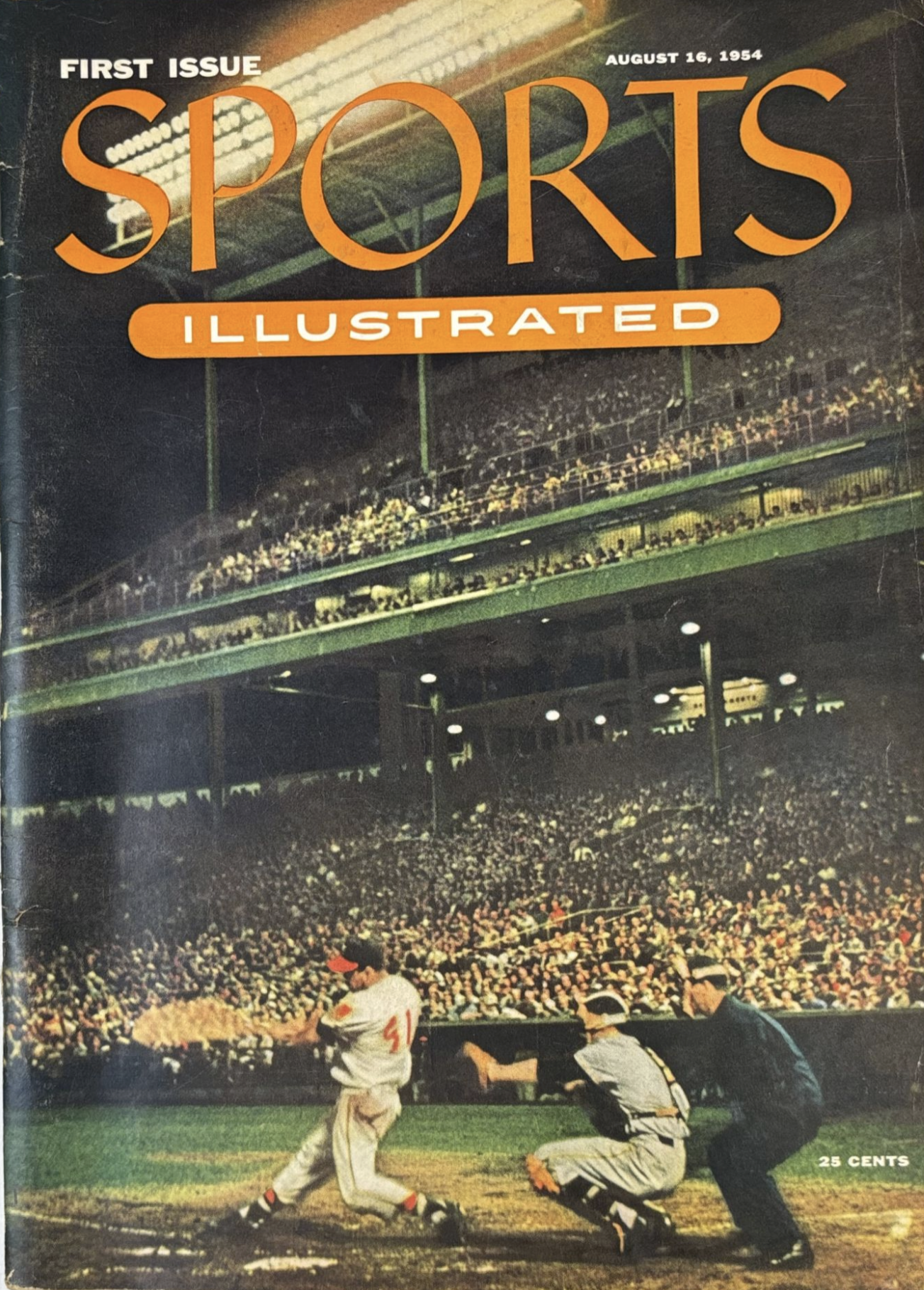
Sports Illustrated created its own genre. Prior to publisher Henry Luce dreaming up the concept from the Time & Life Building in Rockefeller Center, sports were considered low-brow pursuits not worth the effort of applying journalistic chops. (SI writers earned followings of their own, and the magazine's dynamic photography changed the way we saw athletics.) SI also brought us Sportsman of the Year, on its way to helping shape a key element of American culture. It all began in Midtown Manhattan, with the first issue of August 16th, 1954.
VERA WANG

Vera Wang grew up on the Upper East Side, working for Vogue and Ralph Lauren before the frustration of searching for a fashionable wedding dress led her to open her own house. Starting with a design salon in the Carlyle Hotel in 1990, Wang moved from bridal to fragrance, jewelry, eyewear, shoes, and homeware collections. Today, the brand has never been bigger, at $700 million in global sales, and still headquartered in Manhattan.
FORBES
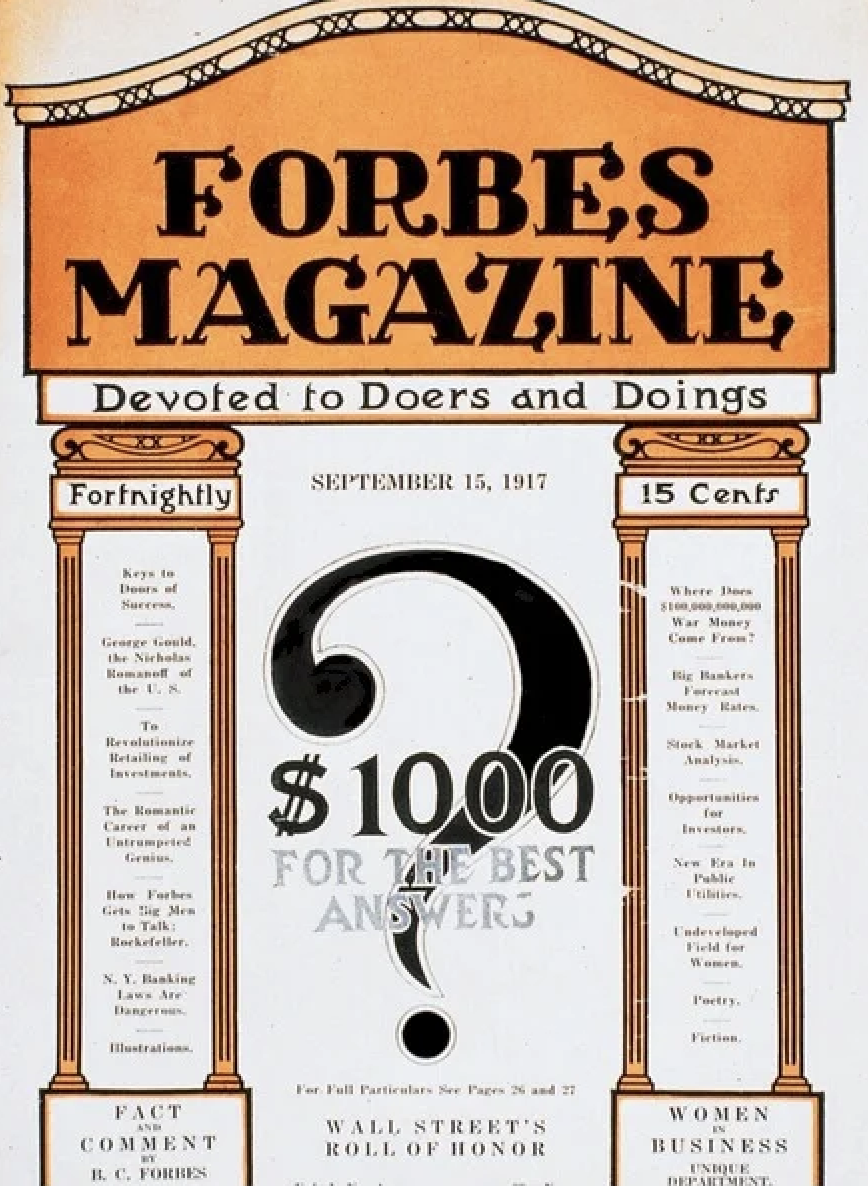
Scottish immigrant Bertie Charles Forbes came up with this company, drawing on his experiences in financial journalism on Lower Manhattan. He launched Forbes Magazine from 120 Broadway on September 15th, 1917, "Devoted to Doers and Doings." The magazine was a quick success, going on to reach nearly one-million paid subscribers by the 1990s.
THE ASSOCIATED PRESS

The cost of covering the Mexican-American War was the impetus behind the creation of the Associated Press. On May 22nd, 1846, five publications along Newspaper Row in Lower Manhattan came together to form the New York Associated Press (NYAP), to pool reporting resources. The business went on to innovate the news agency format, opening one of the first overseas news bureaus (1849), using wireless telegraphy for live news (1899), introducing teleprinter-based newsroom distribution (1914), and launching the world’s first wire-service photo transmission system (1935). The company is still a global leader, with reporters in 100 countries, although AP headquarters have come full circle, back near the former Newspaper Row.
FROZEN YOGURT
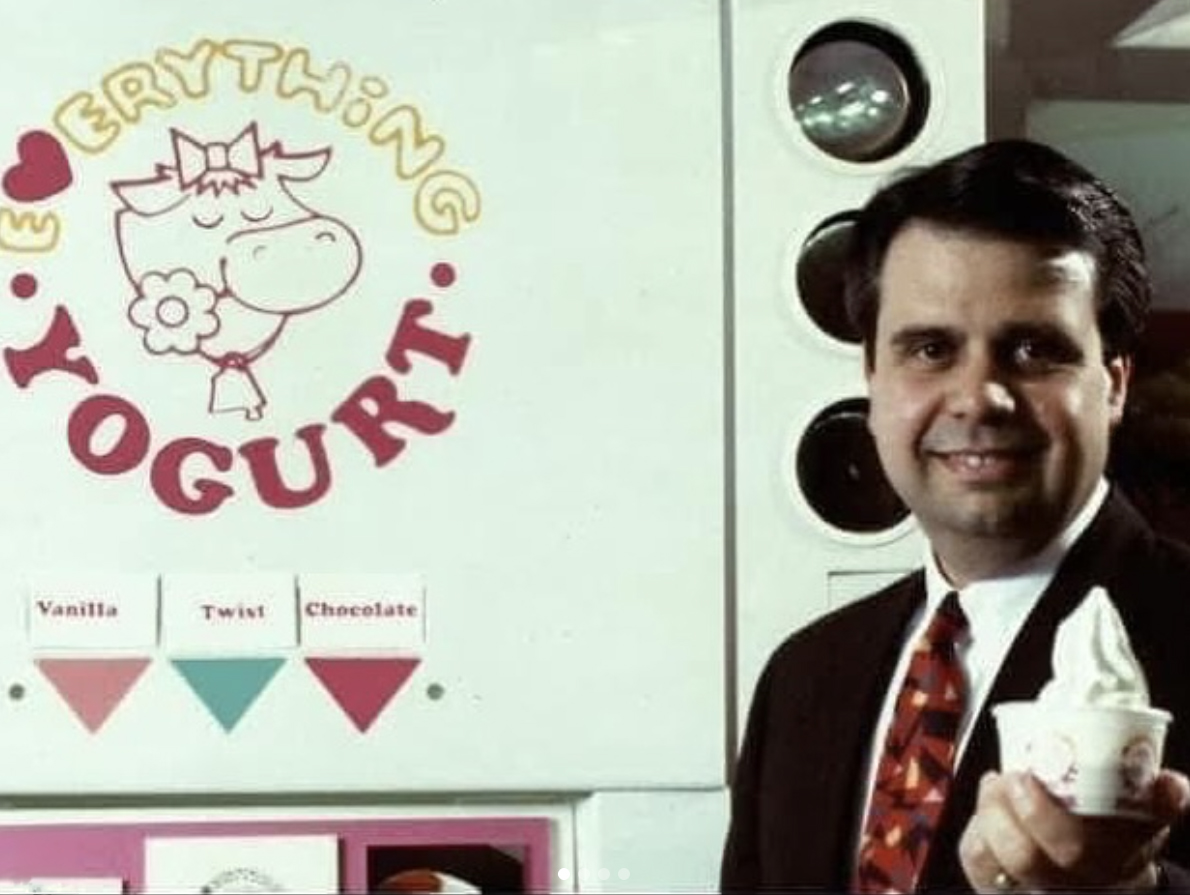
FroYo became a near-obsession in the U.S., with peaks in the 1980s and the 2010s that probably had ice cream sweating. There are so many major chains now that it's easy to forget the concept came from New York City. On March 29th, 1976, Lois and Richard Nicotra came up with the frozen yogurt shop, opening a mom and pop location on, of all places, Wall Street. From there they built a chain of Everything Yogurt locations (they still exist today, under that name at places like Kings Plaza mall in Brooklyn, and under the branding Bananas Smoothies & Frozen Yogurt in other locations). The Nicotras are still in business, too, with property, philanthropy, and retail interests centered on Staten Island.
THE CARE PACKAGE
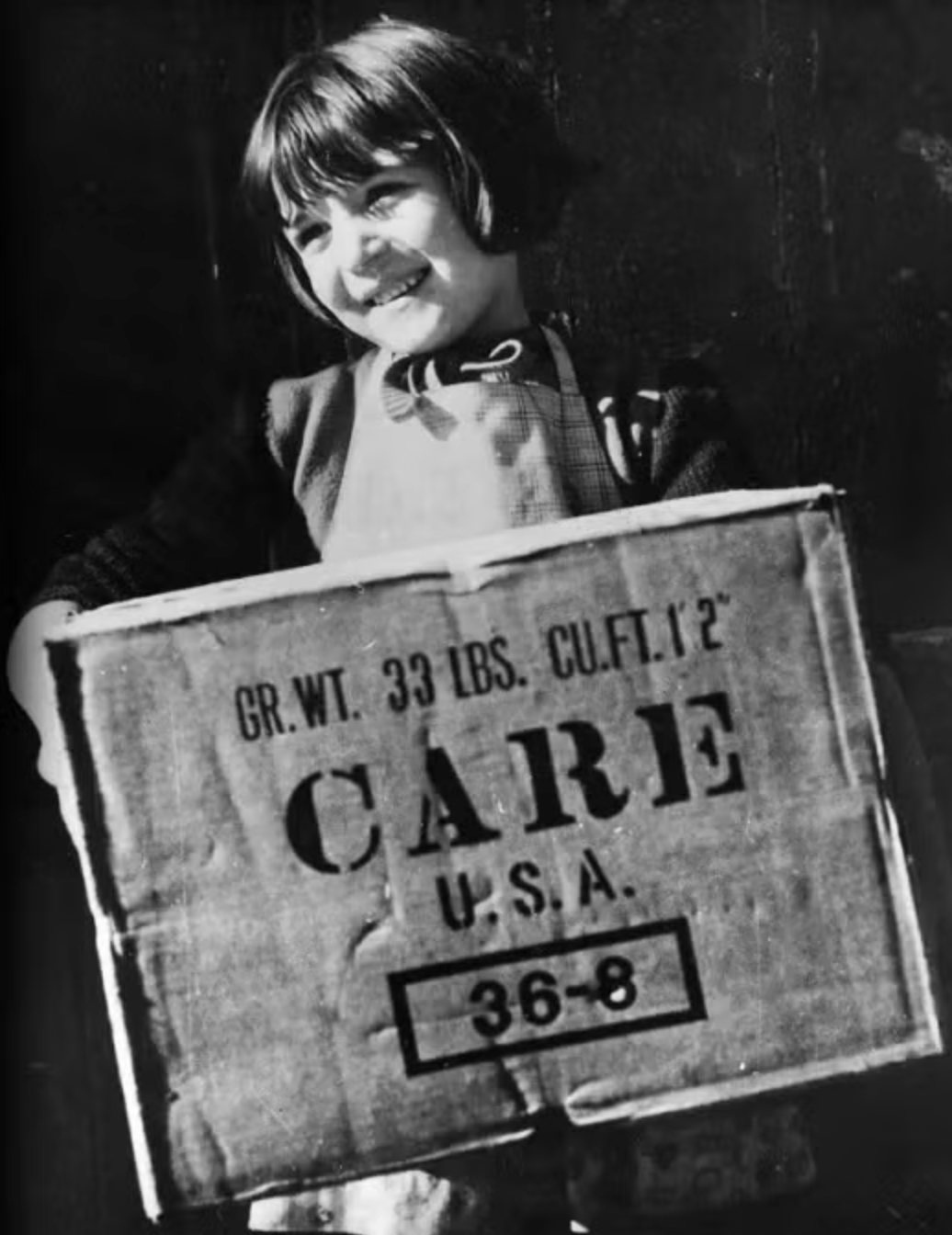
You've probably sent a few care packages over the years without realizing the name comes from an actual, formal group (which is still distributing aid around the world). Care in this context is an acronym for Cooperative for American Remittances to Europe. Twenty-two charities came together in New York City to form the co-op on November 27th, 1945. Headquarters were at 50 Broad Street and the organization stayed in NYC until the early 1970s. The first package arrived in France in May of 1946, providing food relief when Europeans were at risk of starvation in the aftermath of World War II.
KATE SPADE
Kate Spade was born Katherine Noel Brosnahan in Kansas City on Christmas Eve, 1962. Her eponymous brand is a New York original, begun in 1993 out of Kate's Manhattan apartment with three partners that included her future husband, Andy Spade. The company began with handbags, the first prototypes made by a manufacturer in East New York. From those humble origins Kate Spade New York has grown to over a billion dollars in annual revenue and 200 locations in North America. The very first store? That was in SoHo, at 59 Thompson Street, in 1996.
J.CREW
J.Crew's vibes are preppy New England but its roots are NYC. It started off as Popular Merchandise, Inc., an in-home demonstration and catalogue clothing company, way back in 1947. Over the decades it evolved and moved into Manhattan, where the name was changed to J.Crew in 1983. The first J.Crew retail shop followed a few years later, opening in 1989 in the South Street Seaport (in a Front Street building that dates back to 1816). The company has been through bankruptcy but it's still around, still headquartered in Manhattan.
CURRIER AND IVES
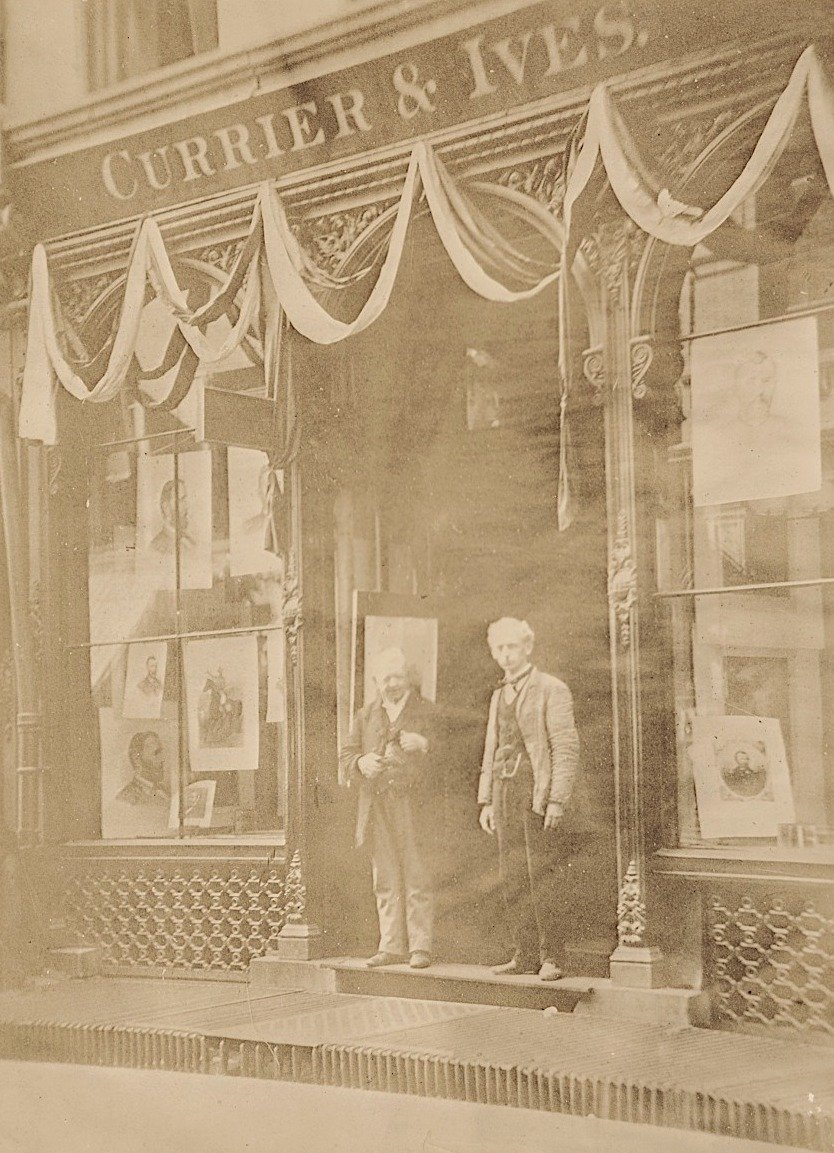
Currier and Ives produced more than one-million prints in its long run—stretching from Nathaniel Currier's entry into the print business in 1835, through his partnership with James Merritt Ives beginning in 1857, up until the firm's demise at the hand of new technologies in 1907. Along the way, Currier and Ives portrayals of news, popular culture, and Americana filled publications and living rooms—shaping the aesthetic of their times. Prints from the peak years displayed the firm's downtown address, 152 Nassau Street (conveniently close to Newspaper Row).
WATERMAN PENS/THE MASS-MARKET FOUNTAIN PEN
-fotor-20260408192031.png)
By legend, Waterman Pens began when insurance salesman Lewis Edson Waterman lost a sale due to a splotchy signature that ruined a contract. He figured there had to be a better way and came up with a solution for consistent ink flow. He began to sell his pens out of the Owl Cigar Store at the corner of Nassau and Fulton streets in 1883. Expansion came quickly and by the 1920s, Waterman had more than 70% of the global market for fountain pens. This success made the company slow to adapt, eventually being put under by the success of the ballpoint pen. The American branch went out of business in 1954 and the French subsidiary took over the name, still thriving today but for high-end luxury products, not the mass market sales of its early days.
SWINGLINE
Immigrant Jack Linsky started the company that would become Swingline, long a category leader in staplers and related office supplies. He began manufacturing in Lower Manhattan in 1925, moving out to Long Island City in 1931, where the factory and its sign would be local landmarks for decades. The brand's biggest innovation was the top-opening stapler, which made it much easier to reload than existing models. (The company gained a further taste of fame with a cameo for a red Swingline 646 in the 1999 film Office Space.) Swingline has changed hands and left Queens but remains a prominent brand today.
GOLDMAN SACHS
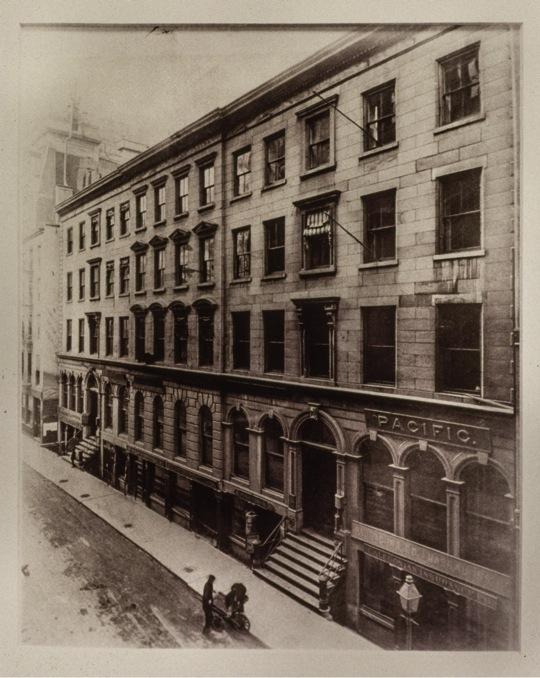
Marcus Goldman was an immigrant from Bavaria who started a financial services business in Lower Manhattan in 1869. His first address was a basement at 30 Pine Street, where he innovated "commercial paper"—providing loans to small businesses in an era where only big players got financing. Along the way he added a son-in-law, Samuel Sachs, and built up a company that innovated block trading of stocks and the creation of the price-to-earnings (P/E) ratio. Goldman Sachs today holds nearly $2 trillion in assets, headquartered in Battery Park City, less than a mile from where the business began.
RED CARPET TREATMENT
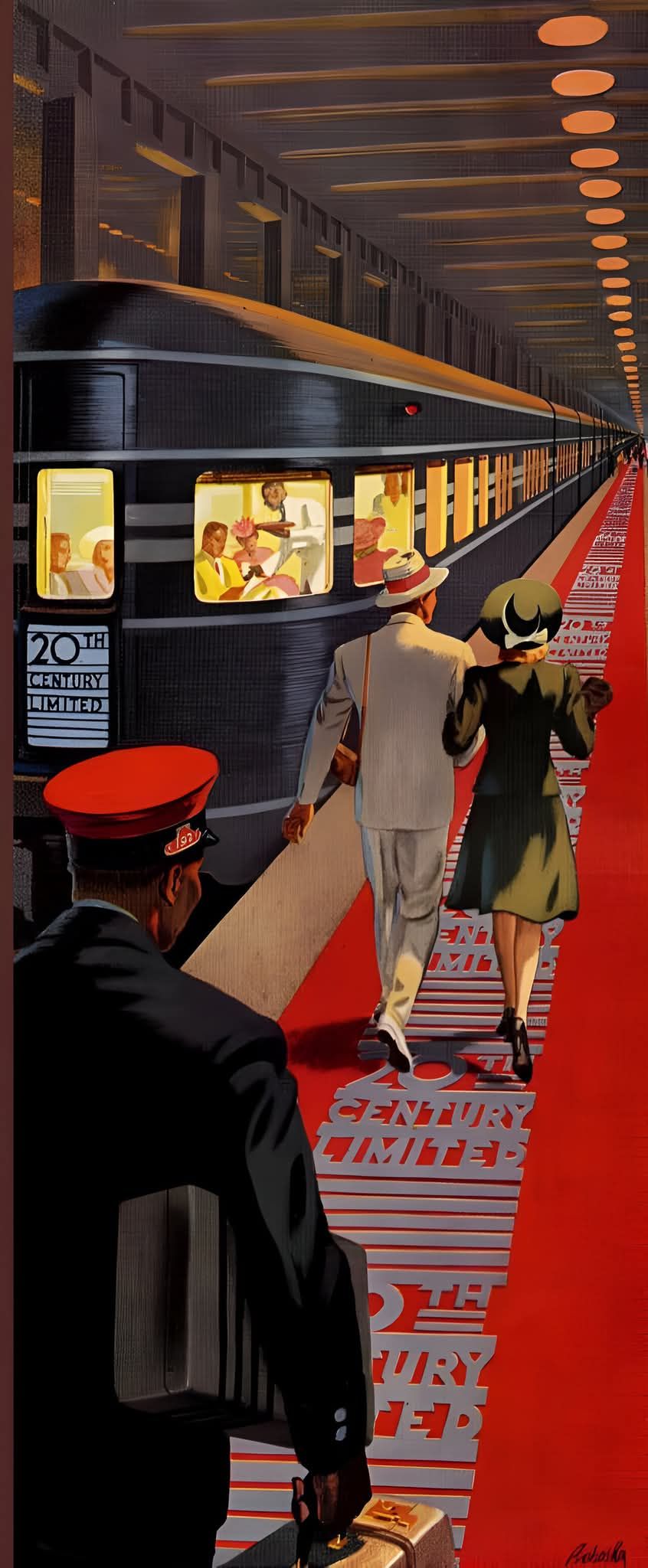
Despite the Hollywood associations, the modern red carpet was dreamed up by The New York Central Railroad (NYC). The rail line owned and operated the 20th Century Limited, the luxury connection between New York City and Chicago. As an added touch, the railroad "ran out the red carpet" for travelers on its Grand Central Terminal departure platform. The tradition began in 1902, got an upgrade in the 1930s, and continued until December 2, 1967, when the 20th Century Limited, made obsolete by air travel, took its final run.
WOMEN DINING OUT
To the rather long list of firsts that came out of Delmonico's (first U.S. restaurant, first printed menu, a la carte dining, private tables, tablecloths, the power lunch, and a slew of dishes), you can add letting women dine without male accompaniment. It's hard to believe there was a time women couldn't eat in a restaurant together, but there is an actual date of the first ladies' lunch in America: April 20, 1868. Journalist Jane Cunningham Croly gets credit as the organizer, in response to an offer of second-class treatment at a dinner for Charles Dickens solely because she was a woman. Delmonico's stepped up to host; the brand has been around—through various ownership arrangements—since 1837.
VICHYSSOISE SOUP
Not France but the Ritz-Carlton Hotel in Midtown East (logo above) is the home of this classic cold soup. French-born Louis Diat came up with the combination for vichyssoise while working as the hotel's head chef, drawing on a humble recipe of his mother's. The exact timing is uncertain but it entered the menu early in the 20th century. (And ironically it's never been very popular in France.)
PARCHEESI
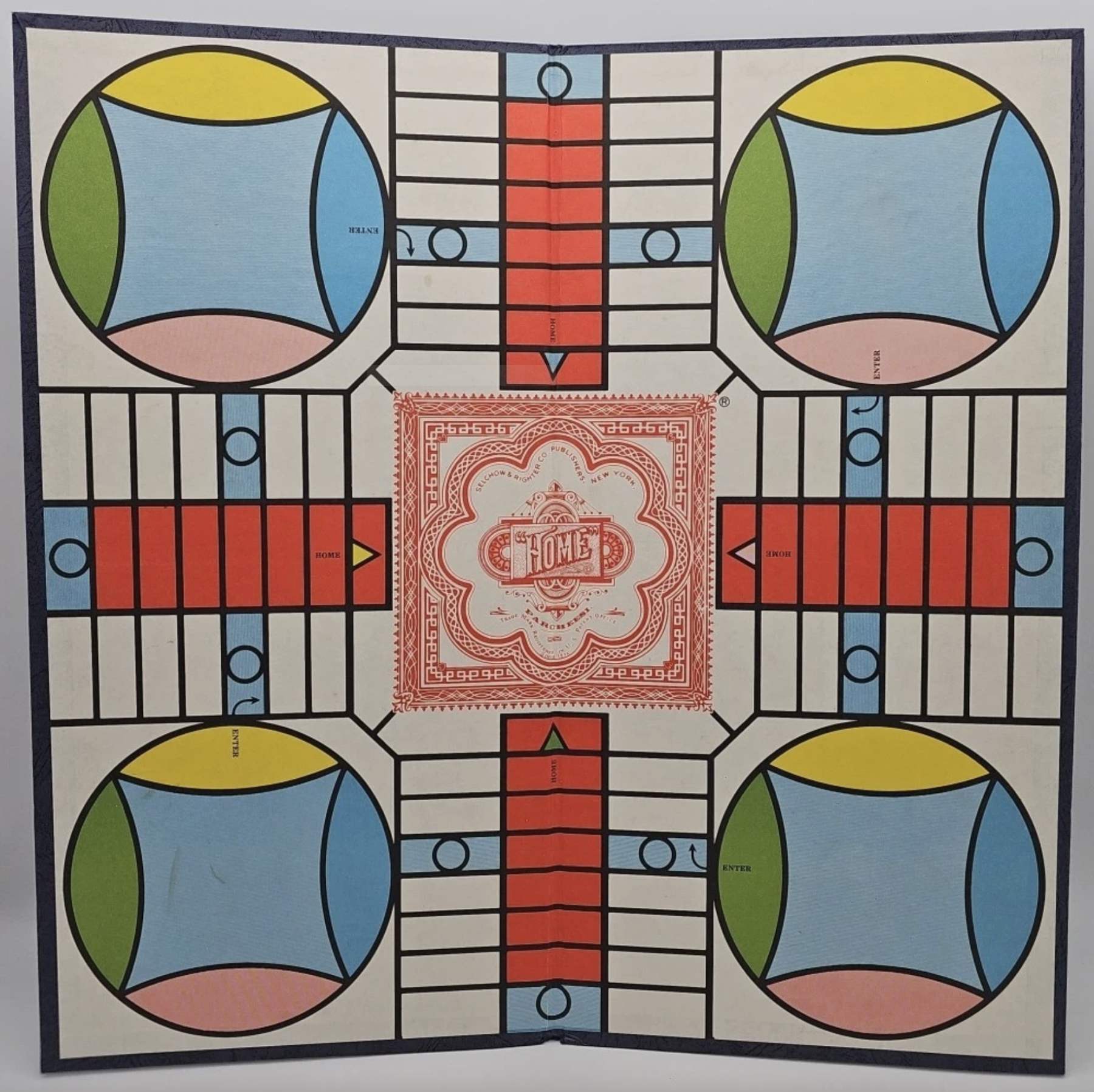
Parcheesi was the first mass-market board game. Elisha G. Selchow set things in motion when he acquired the rights to an adaptation of an ancient Indian game in 1868. Eventually he partnered up with longtime associate John Righter and formed the game company Selchow & Righter. Parcheesi went on to be a smash hit, the most popular board game in the U.S. for more than half a century—until the 1935 release of Monopoly. The company set up a headquarters at 41 John Street and stayed in NYC for decades, through their gamble on Scrabble, which they licensed in 1952 for a second serious home run in the board game realm.
WEIGHT WATCHERS

When you think of Weight Watchers, Oprah Winfrey probably comes to mind. But the brand is not from Chicago, its origins are right here in Queens. Homemaker Jean Nidetch had followed a weight-loss regime sponsored by the New York City Board of Health. She wasn't happy with the program—or the way its advice was conveyed. She brought in some friends for mutual assistance, beginning with meetings at her Rego Park apartment in 1961. It didn't take long for the concept to catch fire and go nationwide.
VASELINE
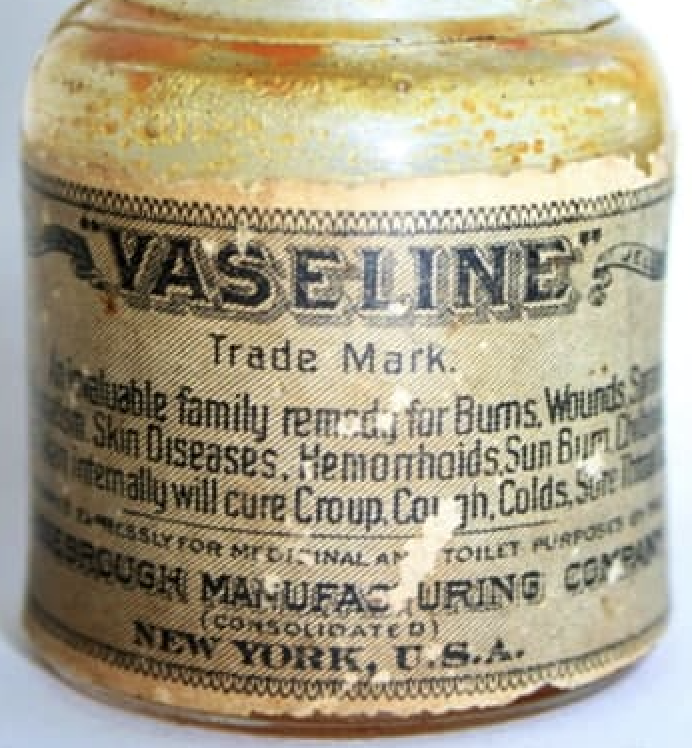
The name Vaseline is said to come from a combination of the German for water and the Greek for oil. (In many countries people use the word "Vaseline" to mean any kind of petroleum jelly.) New York-raised entrepreneur Robert Chesebrough came up with the idea after a visit to oil fields, where workers were using the jelly to treat burns. He worked up prototypes in his Brooklyn lab and in 1870 started manufacturing it from Ferris and Sullivan Streets in Red Hook. A century and half later it's still going strong, with over a billion Vaseline products sold each year.
OLD GOLD, KENT, NEWPORT, AND TRUE
.png)
These four once-famous tobacco brands (all still sold today) came from the Lorillard Tobacco Company, a business that was born well before there was an America. French immigrant Pierre Abraham Lorillard started out with a snuff-grinding factory on Chatham Street (now Park Row), the first snuff maker in North America. Old Gold, Kent, Newport, and True were all Manhattan-born brands, albeit once more prominent in U.S. advertising and culture. Pierre Lorillard himself was killed by Hessian mercenaries during the British occupation of Manhattan in the Revolutionary War, but The Lorillard Tobacco Company would go on to last 255 years, before being absorbed by Reynolds American in 2015.
CREDIT RATINGS
-fotor-20260128152023.png)
Commerce scaled a lot more easily once there was a way—beyond individual notes and institutional memories—of knowing who was credit worthy. Lewis Tappan came up with the innovation, starting the first credit rating business in Lower Manhattan in 1841. That business is still around today, although it's taken on the names of later partners. Dun & Bradstreet has a global footprint today, with operations in 30 countries.
TURNER CONSTRUCTION

You've no doubt seen this company's name on a construction site, which is no surprise given it's the largest general contractor in the U.S. Over 100,000 workers clock in daily on one of the 1,500 sites the company manages in a typical year. Henry Chandlee Turner was the founder, taking his experience as a civil engineer to start his own company out of 11 Broadway in 1902. Turner Construction's first commission was a humble concrete vault for Brooklyn’s Thrift Bank. Turner's mastery with reinforced concrete would soon lead to a major expansion, as his company worked with Robert Gair (below) in what is now DUMBO. Together they erected the tallest reinforced concrete building in the world. Turner Construction is still headquartered in New York City—in a Hudson Yards skyscraper that the company constructed.
THE CARDBOARD BOX
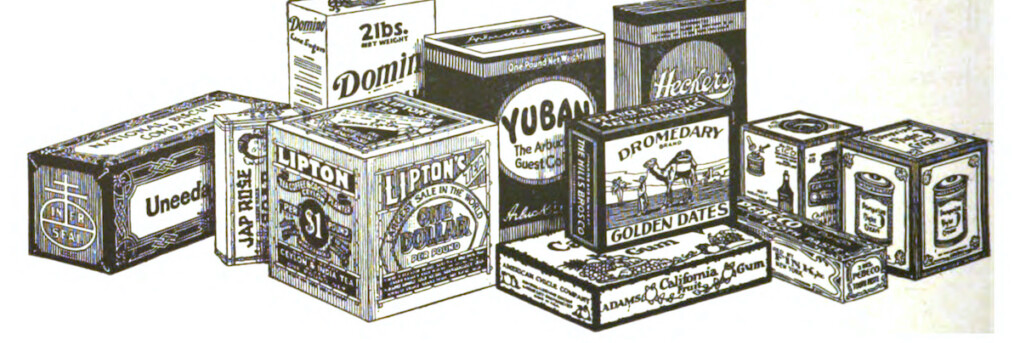
If you've ever walked through Dumbo you've probably noticed the name Gair, which remains emblazoned on buildings around the neighborhood. Gair was Robert Gair, an immigrant from Scotland, who eventually had so much manufacturing going on in the area it was nicknamed Gairville. Prior to Brooklyn, Gair had loft factory spaces in Tribeca. One day, an erroneous cut on a paper packaging run gave Gair an idea. He could precision cut and fold cardboard and produce custom boxes at scale (at the time boxes were handmade, expensive, and shipped unfolded, which was comically inefficient). The invention of the folded box quickly led to a consumer product revolution, all the way up to Amazon dominance today.
MUZAK
At its peak, Muzak was playing in more than half the elevators in the country. And that's not to mention all the stores, offices, and factories where it also set the mood. The technology's origins are in New York City. Inventor George Owen Squier figured out how to transmit sound over wires. In 1922 he began piping in music and news to homes on Staten Island. (The parent company was located at 60 Broadway in Lower Manhattan.) The innovations that Muzak presaged include streaming, soundscaping, industrial psychology, and subscription-based music.
THE BAR OF SOAP
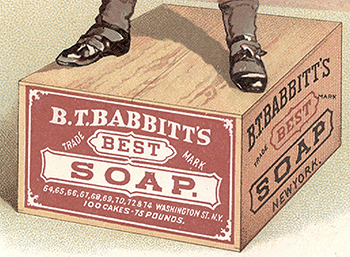
You'd think this invention would date back to at least the Middle Ages, but it's a New York City innovation. Prior to industrialist Benjamin T. Babbitt (1809-1889), soap making was a local affair, with quality and purity varying wildly. Babbitt had been successful as a manufacturer baking soda and baking powder and he applied his experience to make soap bars household items. (He was a marketing pioneer as well, one of the first to make use of free samples, factory tours, and national advertising.) His first manufacturing location was at 68 Washington Street in Lower Manhattan; the factory grew to encompass 23 city lots. Babbitt's business faded out in the early 20th century but there's still a surviving remnant: Bab-O Cleanser is a Babbitt original still available today.
SABRA
Sabra sounds like an export of the Middle East or the Mediterranean but it comes out of Astoria, Queens. It was founded in 1986, before America had developed a taste for hummus. Creators Zohar Norman and Yehuda Pearl grew the business steadily, taking a majority share of the hummus market and leading to a quadrupling of chickpea production among American farmers.
CONDÉ NAST
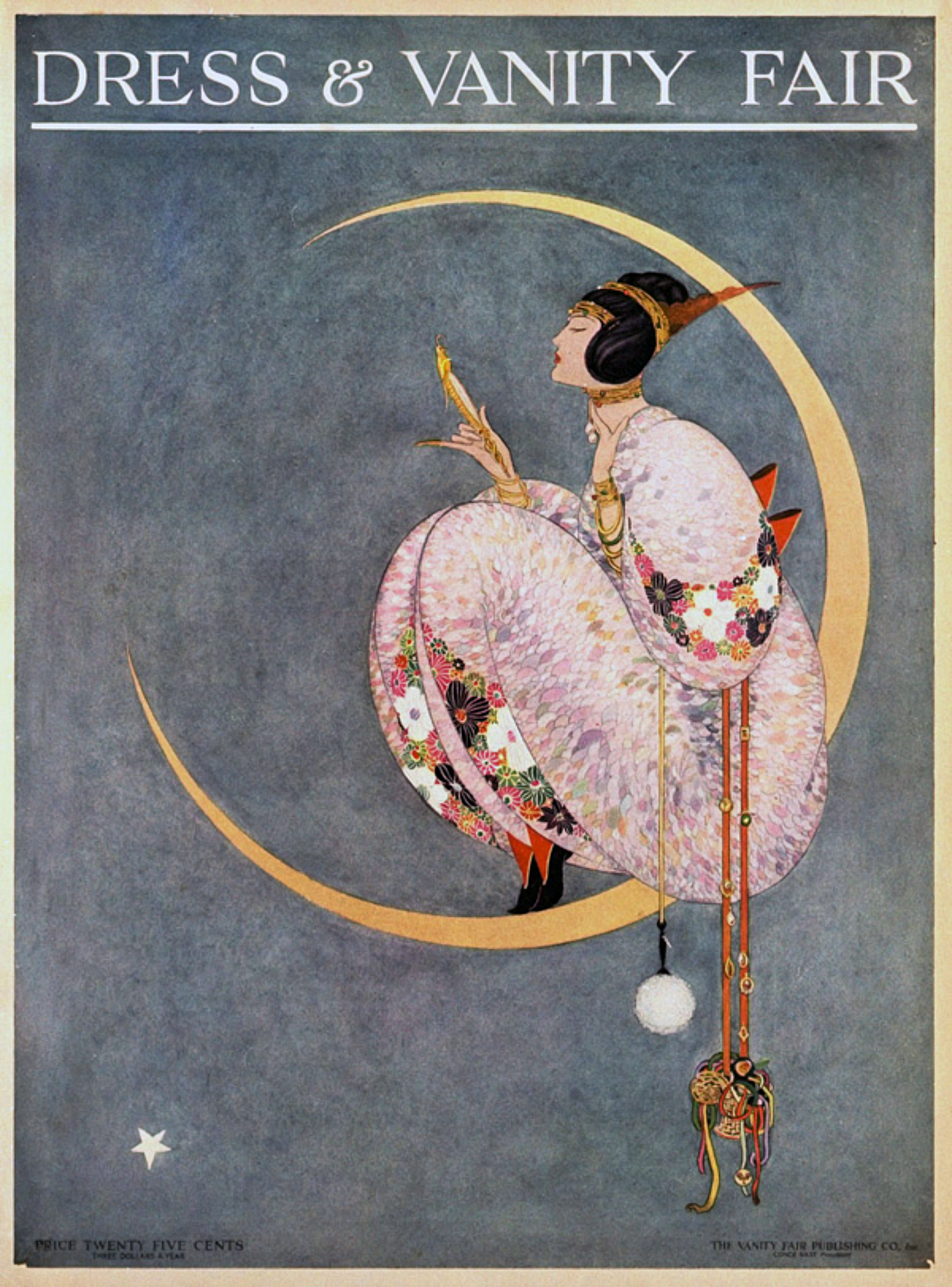
The media powerhouse Condé Nast has a European vibe to its name, but the backstory is all New York. Condé Montrose Nast, born in NYC, launched the business in 1909 when he purchased the magazine Vogue. He added Vanity Fair not long after and gave the business his own name when he incorporated in 1922. Today, Condé Nast has nearly 40 media properties under its umbrella, taking in nearly $2 billion in revenues—and still headquartered in New York.
ATLANTIC RECORDS
Atlantic Records had a dominant run for decades, at the top of the list of labels, with a stable that included Aretha Franklin, Ray Charles, Led Zeppelin, and many more. The brand grew from brothers Nesuhi and Ahmet Ertegun, the sons of Turkey's first ambassador to the U.S. They brought in partners and launched the label in October of 1947. You can still walk past the former Jefferson Hotel, where they had an early start from a small suite at 234 W. 56th St. (After hours the space served as a studio, where tracks like "Giant Steps" by John Coltrane and “Splish Splash” by Bobby Darin were recorded.)
JPMORGAN CHASE
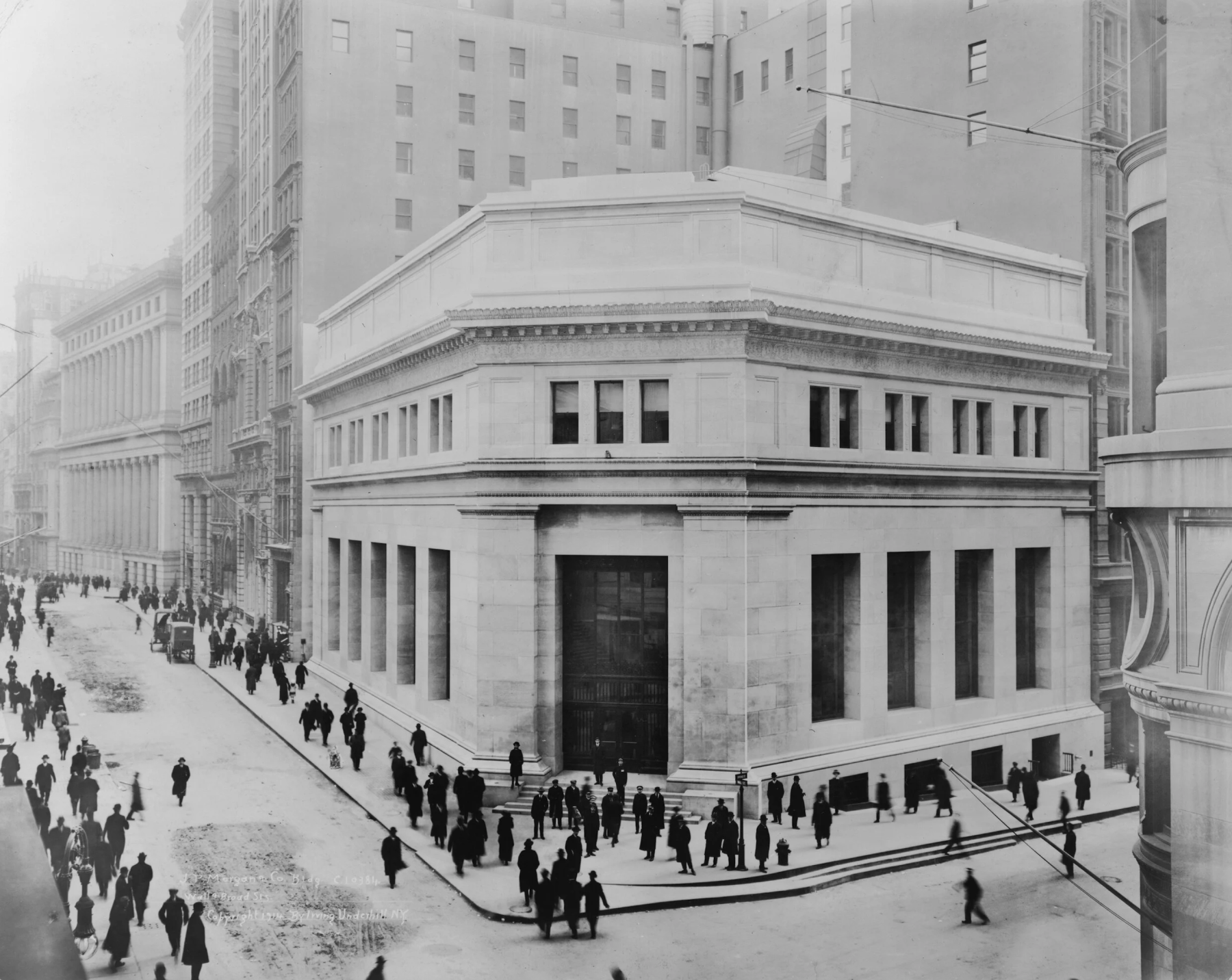
More than 1,200 predecessor institutions over 225 years have been brought together to make JPMorgan Chase, which is now the largest bank in the country. The oldest of the predecessors is The Manhattan Company, which was actually a water company that snuck a clause into its charter to let it open a bank. (It never ended up laying any pipes.) The company's lead name today derives from founder J.P. Morgan, who in 1871 started a financial company out of 23 Wall Street—which still stands more or less as it was then.
EVERLAST

Everlast was formed by 17-year-old immigrant Jacob Golomb, the son of a tailor who got his start producing durable swimwear. He began the business in 1910 in the Bronx and quickly moved beyond swimsuits to becoming the major producer of boxing clothing and gear. That's a role the brand still holds today, with a global presence across fitness and athletic wear as well.
NBC
RCA founded NBC in 1926, which makes it the oldest oldest major broadcast network in the U.S. NBC grew out of a couple of predecessor stations, taking on the "National" adjective to reflect RCA's ambitions. By 1927, NBC operations were headquartered at 711 Fifth Avenue, then a brand-new building in the East 50s. By 1933 it had outgrown the space, on its journey from radio broadcaster to television network to global entertainment powerhouse.
RCA

RCA transformed America and the world, bringing radios and televisions into homes. More than that, it was responsible for the infrastructure, standards, and markets that made electronics ubiquitous. Color television, long-distance broadcasts, and recorded music are just a few of the innovations credited to RCA. The brand began as a subsidiary of General Electric, headquartered in New York City with an incorporation date of October 17th, 1919. (The RCA name is still found on electronics today, although no longer as an independent company, just branding at the tail-end of a long, successful run.)
A&P
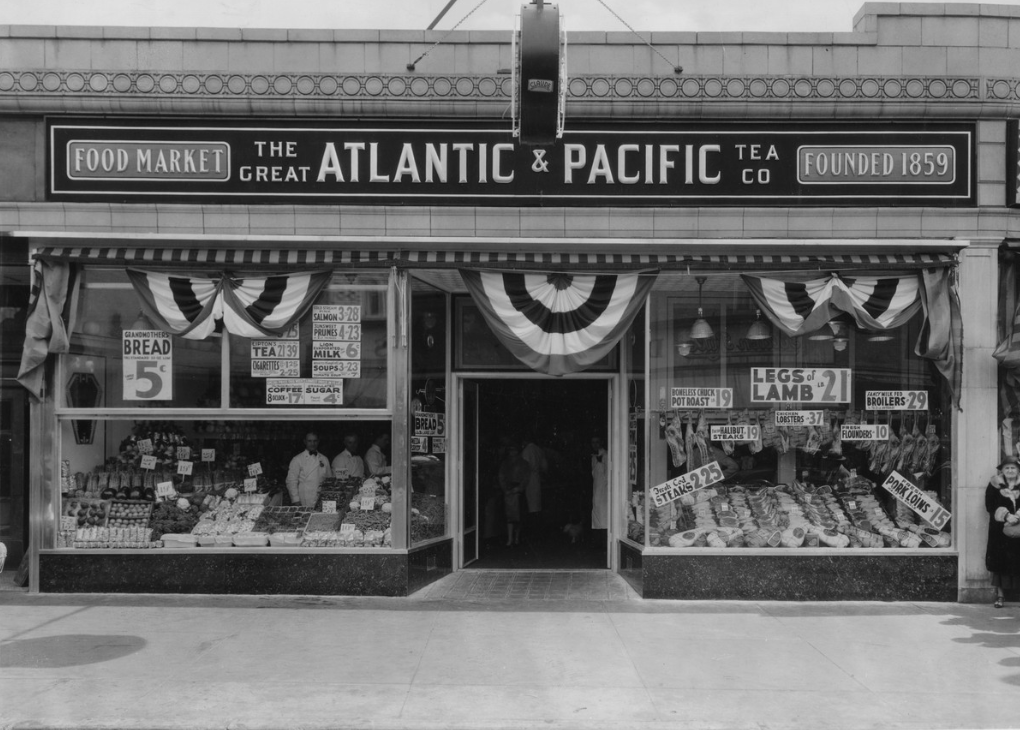
The Great Atlantic & Pacific Tea Company brand was "the Walmart of its time," a pioneer of value shopping and the largest retailer in the world by 1930. There were 15,000 stores at its peak, although bankruptcies were to follow and the last A&P closed its doors in 2015. Before going coast to coast, A&P was a local business with Lower Manhattan roots. The origins were leather tanning, at 98 Gold Street, in the 1850s.
CUSHMAN & WAKEFIELD

Cushman & Wakefield is one of the world's largest commercial real estate services firms, with offices in 60 countries and nearly $10 billion in annual revenues. It was formed on October 31st, 1917 by brothers-in-law J. Clydesdale Cushman and Bernard Wakefield. The former name might be familiar because of Cushman Row, a series of Chelsea townhouses developed by J. Clydesdale Cushman's great-grandfather Don Alonzo Cushman in 1840. Cushman & Wakefield is still actively developing properties in the city today.
P.C. RICHARD & SON
Like so many New York-born businesses, this one began with an immigrant, Dutchman Pieter Christian Richard. He opened a hardware store at 18th Avenue and 86th Street in Bensonhurst in 1909 and from there went on to become a major player in electronics and mattresses. The business is still in the Richard family, with P.C.'s great-grandson serving as CEO. With 66 locations and 1.5 billion in annual revenue, P.C. Richard & Son is the largest family-run business of its kind in the U.S.
THE PHOTOBOOTH
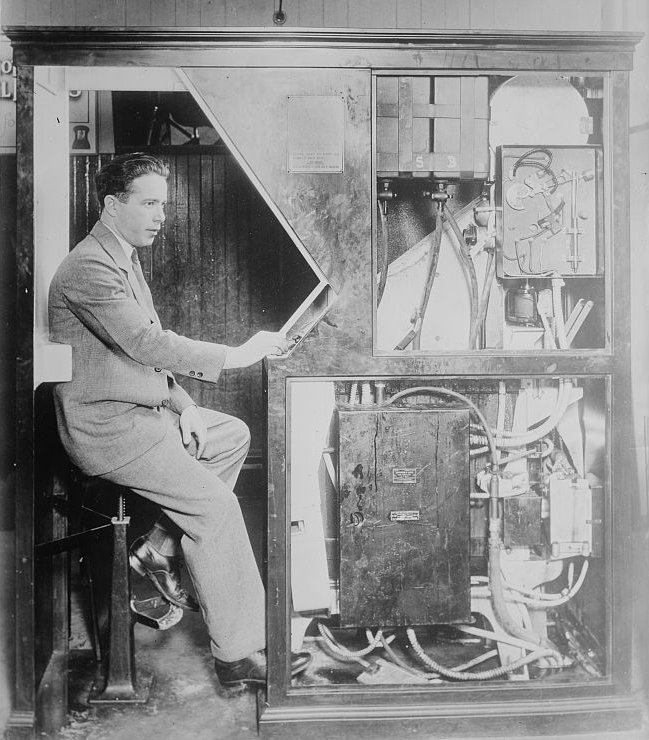
Library of Congress/LC-DIG-ggbain-25079
It took a dozen years for New York immigrant Anatol Josepho to make his concept of an automatic photobooth a reality. The Photomaton was introduced at 1659 Broadway in September of 1926, and it was an instant hit, producing a strip of eight photos developed in eight minutes for 25 cents. People lined up immediately. Within a few months the technology had traveled around the world.
CAFÉ BUSTELO
.jpg)
Cafe Bustelo feels like it must have started out in Cuba but it's a New York City original. Founder Gregorio Bustelo (1892–1965) was actually from Spain, although he did spend some time in Havana on his way to East Harlem. He began by selling hand-ground coffee out of his home before saving enough to open a store-front roaster at 1364 Fifth Avenue. From there it was on to local bodegas and then grocery stores across the nation.
SINGER

Singer, the famed sewing machine manufacturer, started off life in Lower Manhattan. It was formed by Isaac M. Singer with New York lawyer Edward C. Clark in 1851, going on to open its first head office at 458 Broadway. The brand is still around today (under different ownership) and it still retains about one-fourth of the sewing machine market share. Beyond innovating the production of clothes, Singer pioneered assembly lines before Ford, introduced the installment plan for consumer purchasing, and was the first multinational corporation.
MALLOMARS
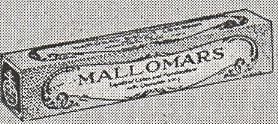
Mallomars return to the shelves in fall, a tradition dating back to when refrigerated shipping was iffy and the cookies would melt. The brand was born in Chelsea at the Nabisco factory in 1913 and it remains a New York phenomena—75% of sales are in the NY metro area alone. (Which is a bit of an irony given that all the cookie production is now done in Canada.) Enjoy them while you can; when summer comes they can't be found.
MAD MAGAZINE

The first edition of MAD Magazine, October-November 1952.
MAD Magazine was a cultural force in its heyday, moving some 2 million copies every month, an incredible number for a humor magazine. Its first address was 225 Lafayette Street, before moving up to Madison Avenue (aka MADison Avenue on the magazine masthead). It's changed hands many times and is just a legacy brand today, but there are still generations who instantly recognize the gap-tooth smile of Alfred E. Neuman.
THE NBA
The National Basketball Association is a global force, drawing in 2.5 billion viewers a year. It may feel like the world's organization, but it traces back to Manhattan and a June 6, 1946 founding date. (Its predecessor was the Basketball Association of America (BAA), which merged with the National Basketball League (NBL) to form the NBA on August 3rd, 1949.) The NBA remains a Manhattan entity, with headquarters on Fifth Avenue near Rockefeller Center.
JETBLUE

Despite its global footprint, JetBlue Airways' origins are outer borough: in Forest Hills, Queens. Founded as NewAir in August of 1998 (it flirted with yellow and black taxi-style livery for an explicit New York connection before cooler heads prevailed), it hasn't moved far from its roots, currently headquartered in nearby Long Island City.
VOGUE
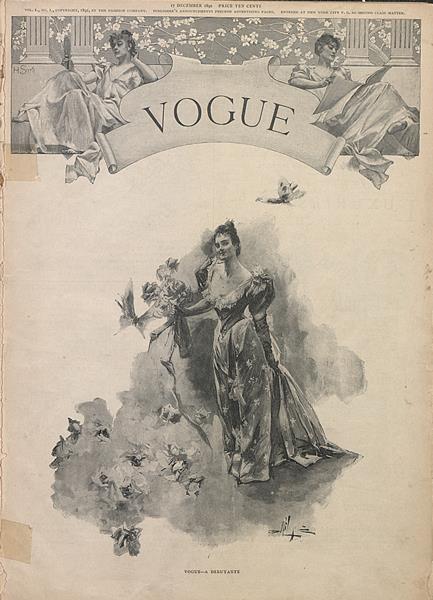
Vogue was a pioneer in featuring Hollywood prominently in its fashion coverage. Despite the California shadings, the magazine is a New York City original. Arthur Baldwin Turnure saw a niche and created it as a weekly gazette, with the first issue sporting a December 17th, 1892 print date. From offices at 61 Union Place, near Union Square, Vogue has grown into a global brand, with 29 international editions and millions of monthly readers.
NOW & LATER
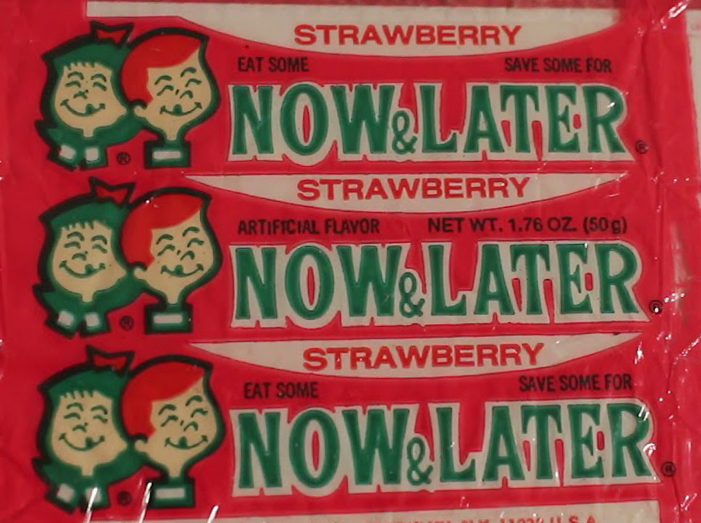
Although maybe not as often seen as in its heyday, Now & Later candy is still being enjoyed—in 13 flavors no less. The brand goes back to 1962 and The Phoenix Candy Company, which operated out of a Sunset Park factory. Back then you could smell what flavor's day it was from the BQE and all through the neighborhood.
THE TOPPS COMPANY
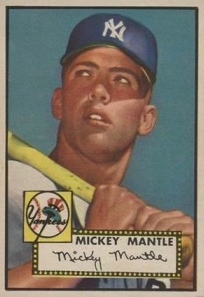
The Topps Company started off selling bubble gum before shifting over to the sports collectible side. (The two sides were eventually separated and sold off but they are both still active, both headquartered in Manhattan.) The company was founded by four brothers, Abram, Ira, Philip, and Joseph Shorin, in Williamsburg in 1938. Nearly a century later, the brand remains a leader in its field.
CLINIQUE
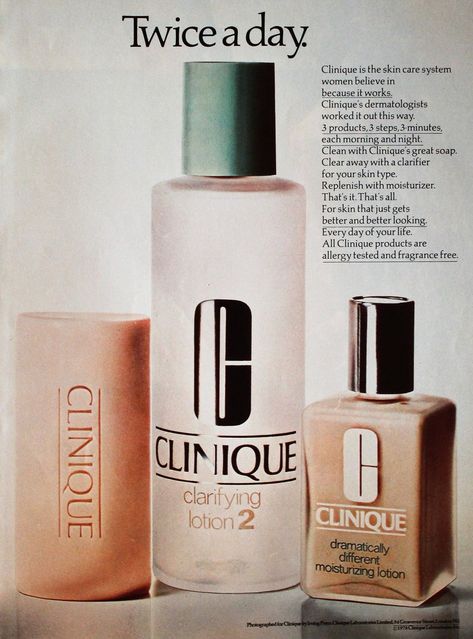
Clinique brought the world the first allergy-tested, dermatologist-driven skincare line, launched in NYC in April of 1968. The brand began with Evelyn Lauder, daughter-in-law of Estée Lauder, and an August 15, 1967 article in Vogue, entitled "Can Great Skin Be Created?" Evelyn connected with the authors and a brand was born—still going strong today, with some $3 billion in annual earnings.
DOTS

Four billion Dots are made every year. This movie theatre staple has Brooklyn roots, going back to 1864 when the Mason, Au and Magenheimer Company was founded. Their first factory was at 81 Fulton Street; by 1892 they'd expanded to nearby 20 Henry Street, where company names still adorn the former factory building (now luxury condos). Dots came out in 1945 and have been the country's top-selling gumdrop ever since.
THE COLORING BOOK
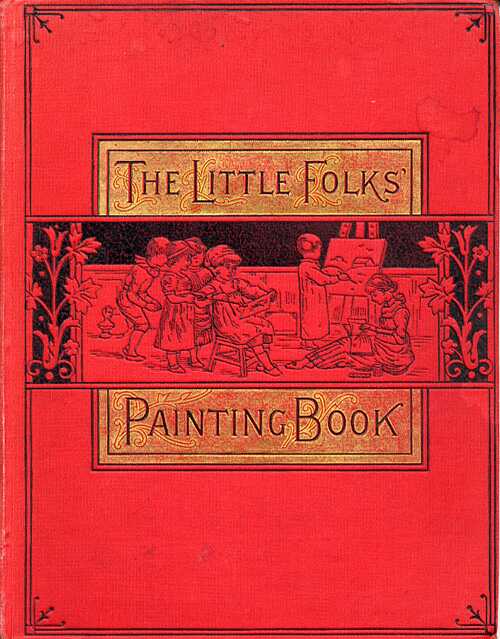
The world's first commercial coloring book was The Little Folks Painting Book, published in 1879. The publisher was an outfit known as McLoughlin Brothers, working out of a headquarters at 30 Beekman St. (They made high-quality games as well and the name lived on in publishing until the 1970s.) The first coloring book was illustrated by Kate Greenaway, with outline engravings waiting to be filled by little hands.
REVLON
The brothers who started this company had the last name Revson (Charles and Joseph). Where did the L come from? That would be their partner, chemist Charles Lachman. They sold a single line of products, nail enamel, which they revolutionized with a unique manufacturing process using pigments instead of dyes. Revlon went on to add lipstick and a manicure line on the way to become one of the U.S.'s largest cosmetics brands. Although there have been many changes and setbacks since then, the company still does $2 billion in annual sales—nearly a century after its March 1st, 1932 founding in Manhattan.
COMPETITIVE EATING
%20(1).png)
The first competitive eating contest of the modern era was the Nathan’s Famous International Hot Dog Eating Contest, which dates back half a century. It was popular enough to inspire a slew of spinoffs and eventually a governing body of its own. Major League Eating (MLE) evolved from the International Federation of Competitive Eating (IFOCE) and now administers more than 100 events in its annual circuit.
THE ROYAL TYPEWRITER COMPANY
The Royal Typewriter Company was one of the major players in the typewriter realm, in its heyday producing more than half a million machines every year. Begun from a Brooklyn machine shop in January, 1904, the typewriters were innovative, with a friction-free rail for the carriage, a new paper feed, and complete visibility of the words as they're typed. The "flatbed" design was another major improvement, improving stability and durability over "upright" models. The company left NYC long ago but it's still in business, selling office supplies, business machines, and even a few typewriters.
SWING DANCE
.gif)
Swing dance became a defining feature of American popular culture in the first half of the 20th century. Its origins are in Harlem, where the Savoy Ballroom was a staging ground for the development of the form. Dancers from across NYC met the energy of big band jazz with moves that mixed athleticism, rhythm, and improvisation. The Lindy Hop, born on the Savoy's floor, quickly became the signature style—spreading nationwide through film, music, and touring acts.
STEINWAY & SONS
One hundred and seventy years after its founding, Steinway & Sons remains the gold standard for concert pianos. They're still handcrafted in Queens (along with a location in Germany), where the company moved after several Manhattan addresses. The very first base of operations was a small loft in Hudson Square, at 85 Varick Street, where German immigrant Heinrich Engelhard Steinweg crafted his first American instrument. The family business would make 11 pianos that year, on its way to an annual output of more than 2,000.
ELIZABETH ARDEN

You may not recognize the name Florence Nightingale Graham (1881-1966) but you're probably familiar with the company she founded. She opened her first Red Door salon in 1910 on Fifth Avenue, applying innovations she'd made in skincare while working for an E. R. Squibb laboratory. She gradually expanded her brand, Elizabeth Arden, inventing travel size packaging and helping makeup to become standard for women of all classes along the way.
BERGDORF GOODMAN
Bergdorf Goodman is one of the world's most exclusive retailers, a pioneer in bringing ready-to-wear clothing to the American market. It's synonymous with American luxury which is a significant upgrade from its origins as a Union Square tailor shop. French immigrant Herman Bergdorf started the business in 1899, adding Edwin Goodman as an apprentice. Goodman purchased an interest and spearheaded the upscaling of the company, moving it uptown to finally settle in its iconic Fifth Avenue flagship.
ASCAP
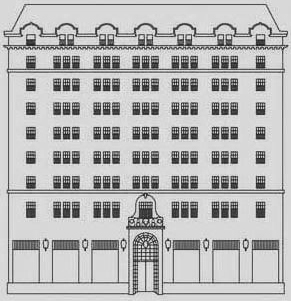
On February 13th, 1914, at the Hotel Claridge in Times Square, a group of men came together to found a business to address the difficulty of getting songwriters paid when their compositions were performed. Irving Berlin was among the charter members of the American Society of Composers, Authors and Publishers, which is still headquartered here in New York City and still going strong. ASCAP has over 16,000,000 musical works in its inventory and distributes more than a billion dollars to artists every year.
SABRETT
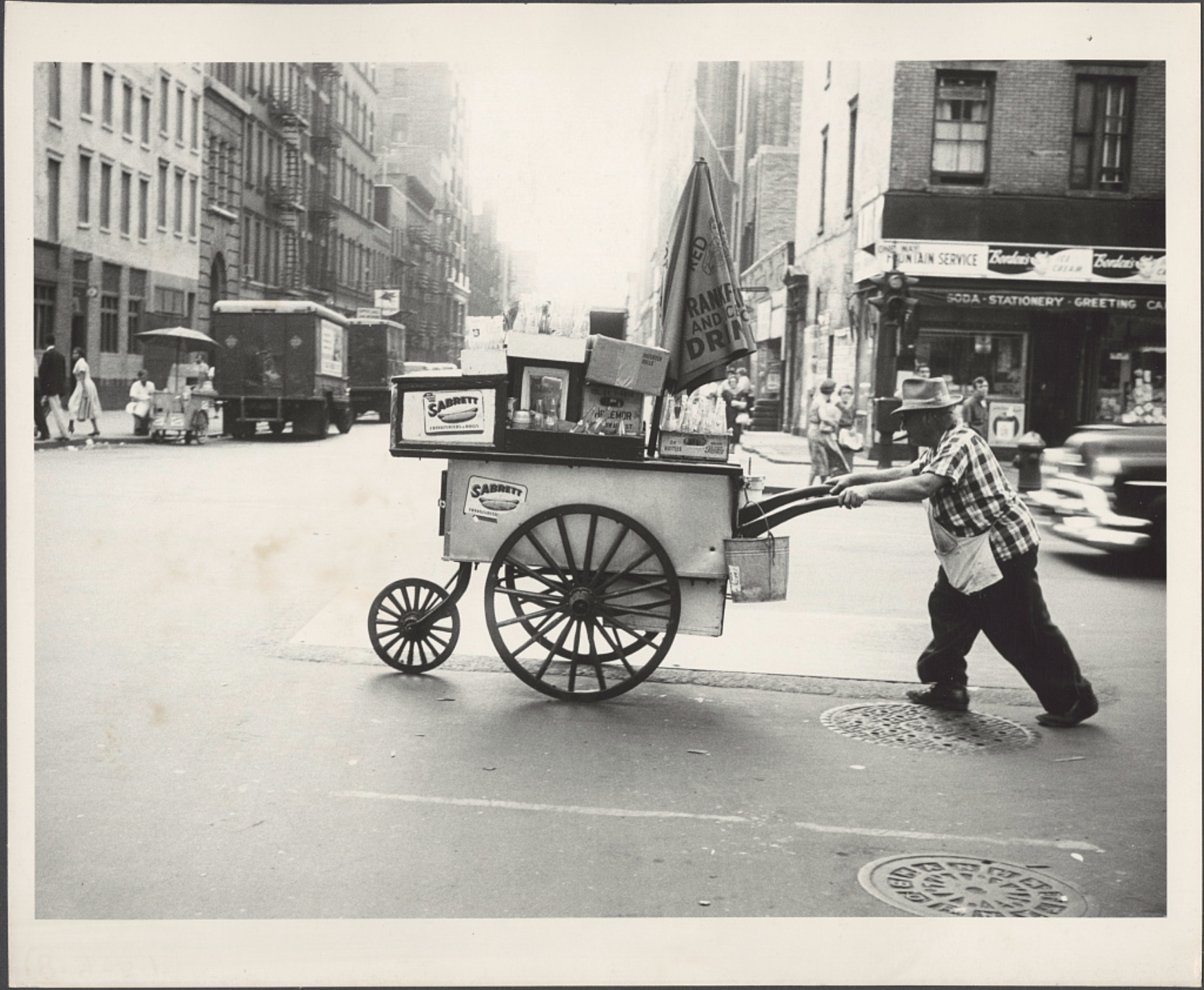
Angelo Rizzuto, Library of Congress.
Latvian immigrant Samuel Ogus started this brand as the Star Baking Company on East 3rd Street in 1926. Trademark issues led to a name change to Sabre (as he and his partner Fritz Frankel were "keen on quality"), which another trademark claim changed to the "small and sharp" Sabrett, still used today. Sabrett is the sixth largest hot dog manufacturer in the U.S., with hot dog buns and condiments also in its mix (it's now part of the conglomerate Marathon Enterprises, Inc.). But it remains best known for its ubiquitous presence on New York City hot dog carts, marked by trademark blue and yellow umbrellas.
GOYA FOODS
Don Prudencio Unanue and Dona Carolina Casal were missing the tastes of their native Spain when they launched their food distribution business out of a Duane Street warehouse in 1936. They focused on olives, olive oil, and canned sardines to start, but soon expanded—to more than 2,500 items today. Goya is now the largest Hispanic-owned food company in the country, still owned and run by the original family.
ESTÉE LAUDER

The origins of Estée Lauder are with Josephine Esther Mentzer and experiments she conducted in her uncle's kitchen in Corona. She started selling her innovative beauty products and with her husband built up a cosmetics empire. The company does $15 billion in sales today. It's still headquartered in New York City, where the Lauders' grandson serves as the Executive Chairman.
DC COMICS
Superman. Batman. Wonder Woman. Green Lantern. The Flash. Aquaman. The Justice League. Suicide Squad. The Joker. Lex Luthor. The icons under the wing of DC Comics is astounding. The company is based near Hollywood now but its origins are in NYC. Major Malcolm Wheeler-Nicholson created the brand, producing the first original-content comic book (not repackaged syndicated strips) and helping launch the superhero era, though he was forced out of his company before Action Comics #1 (1938) introduced Superman. The first offices of National Allied Publications, which went on to become DC Comics, were at 49 W. 45th St.—the building is still there today.
METLIFE
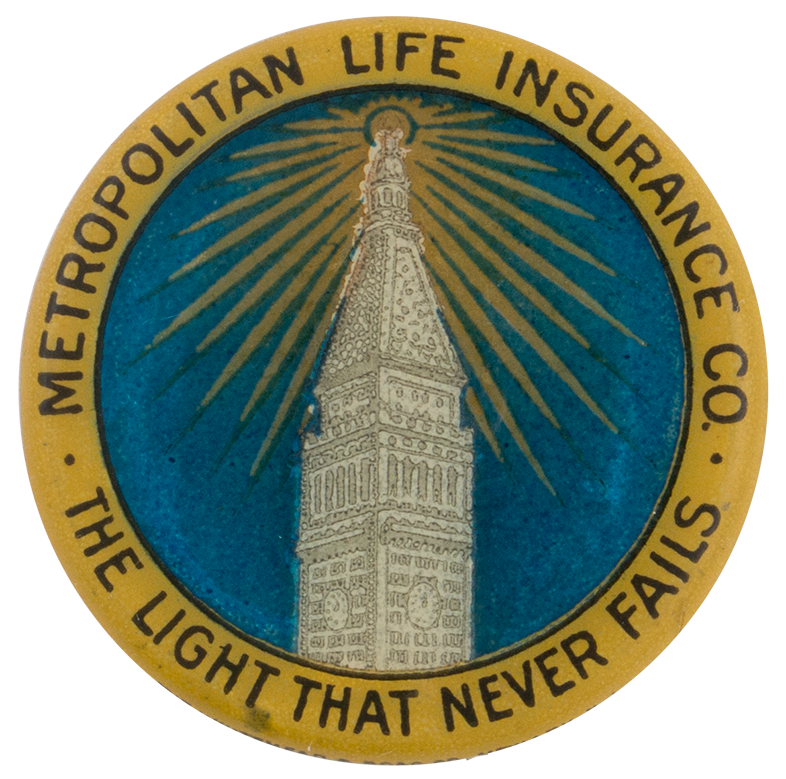
MetLife started out during the Civil War as the National Union Life and Limb Insurance Company, with soldiers for customers. By 1909 it has shifted focus to become the largest life insurance company in the U.S. Its headquartered would soon be the tallest building in the world. MetLife is still a giant player today, doing nearly $70 billion dollars in revenue annually. Its headquarters remain in New York City, in midtown's iconic MetLife Building.
PARAMOUNT PICTURES
Paramount is an entertainment behemoth, bringing in $30 billion dollars annually. It's a major Hollywood presence but its origins were in New York City. The predecessor company was called Famous Players Film Company and NYC traces remain in Chelsea Studios (still in use today), Kaufman Astoria Studios, and the massive Times Square offices of the 1927 Paramount Building. One of the three founding partners was immigrant Adolph Zukor, whose innovations included feature-length films, vertical integration of studios, and the star system (he believed strongly in hiring "famous players").
BULOVA
Joseph Bulova, an immigrant from Bohemia, began his New York City career with a small jewelry shop on Maiden Lane in 1875. He kept at it for 35 years before he began to manufacture items by himself. Around 1911, he began producing table clocks and pocket watches and soon became a global name. (Along the way, Bulova innovated the first fully electric watch.) Although the company has changed hands several times it remains headquartered in NYC.
THE STREETCAR
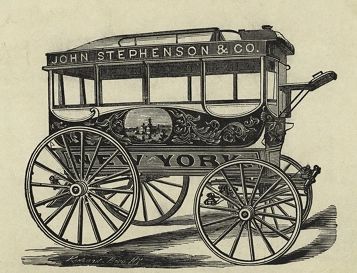
This innovation would seem like a San Francisco claim to fame, but it's a New York City original. Immigrant John G. Stephenson, educated in NYC public schools, came up with the idea, building the first versions from 667 Broadway. Eventually he was shipping his streetcars around the world, helping to lay the groundwork for urban mass transportation. Stephenson's innovations include laying rails, for faster and smoother rides, enclosed cars, double deckers, improved suspensions, and even adaptations into the age of electric streetcars.
MARCH MADNESS BRACKETS
Making picks for the NCAA Division I Men's Basketball Tournament is an American tradition, so popular that $3 billion dollars will be sunk into pools this year (and that's just the official number, there are billions more in unreported pools). The first-ever tourney picks came out of New York City, the Staten Island neighborhood of West Brighton to be specific. Jody’s Club Forest ran the first brackets in 1977, with 88 contestants vying for an $880 grand prize. (The popularity of the bar's contest grew exponentially, reaching $1.6 million before the IRS finally shut it down.)
FOX

You hear Wilhelm Fuchs' name most every day, although probably without recognizing it. The son of Hungarian immigrants, Fuchs had his name anglicized to William Fox, which is the name he used as he built a media business. Fox (as in 20th Century Fox and Fox News) started out as a nickelodeon in Brooklyn in 1904—the site today is a McDonald's under the BQE. Fox grew his business from that single nickelodeon to a nationwide theater chain to a film studio, pioneering synchronized sound along the way. Alas, reversals of fortune, including the stock market crash of 1929, resulted in Fox losing his hold on the company in 1930. He was forced out. But the name lives on.
THE SAFETY RAZOR

Jacob Schick and King C. Gillette are household names, but they came behind Brooklyn's Kampfe brothers in the development of the safety razor. The Kampfes emigrated to New York City from Saxony where they had a cutlery business. Frustrated with shaving, they came up with a personal razor, the design of which they patented in June of 1880. Their business shifted names and ownership over the years but its successor is still with us, in the form of Personna blades.
THE MOSCOW MULE
This is not a cock and bull story, although it is a Cock’n Bull story. The brand of ginger beer was stacking up at the Chatham Hotel bar. Also stacking up, cases of Smirnoff. (Americans hadn't yet developed a taste for the spirit.) The inspired solution was this Russian-accented cocktail with a kick—hence the Moscow Mule. Eighty-plus years later it's still one of the U.S.'s favorite drinks, routinely hitting the top 5 of most-ordered cocktail lists. Not bad for an effort to clear out a bar storeroom in 1941!
LANE BRYANT
Lane Bryant doesn't have the footprint of its circa-2000 heyday, but it still boasts 400 stories in just about every U.S. state. Not bad for a business started in a storefront at Fifth Avenue and 120th Street by Lena Bryant Malsin in 1904 (she lived with her son behind the shop). Malsin pioneered maternity wear and plus-size fashion, building up a profitable mail catalogue business along the way. Why Lane Bryant? The bank officer in 1904 misspelled her first name. Malsin made it work.
GARLIC KNOTS
.jpg)
Garlic knots: Sarah Stierch/Flickr
You'd be hard-pressed to find a neighborhood Italian joint or slice shop that doesn't offer garlic knots. As with many widespread phenomena, it's hard to pinpoint a first. As good a case as any can be made for Sheepshead Bay and Pizza Bowl, which reputedly began selling them on Avenue X as "garlic rolls" as far back as 1947. In any case, they definitely originated in New York City, before going on to inspire breath mint use from coast to coast.
PLANET HOLLYWOOD
Surely this started in L.A., right? No, this is another New York City original. Planet Hollywood launched on October 22nd, 1991, with its first location crossing two buildings at 130 and 140 W. 57th St. Early momentum led to a peak of more than 60 locations worldwide. Although contraction (and bankruptcy) followed, Planet Hollywood is still a presence in New York, with a big-budget flagship newly relaunched in Times Square.
UNIVERSAL PICTURES
Universal seems like an L.A. creation, and indeed it's been headquartered in California for decades, where it's one of the largest studios in the world. But its roots are New York City—from a merger of several New York companies under the leadership of German-born immigrant Carl Laemmle. The Universal Film Manufacturing Company was incorporated in New York City on April 30th, 1912. The founding was in response to a decision by the Thomas Edison-backed Motion Picture Patents Company to charge fees on films, which hurt the bottom line of nickelodeon operators like Laemmie. His solution? Make his own movies. The company he's founded has gone on to do just that many hundreds of times over, from King Kong to Jaws to Jurassic Park.
THE STEAM IRON
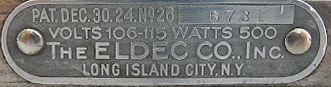
Some hundreds of millions of steam irons are sold every year. The first commercial ones came out of Long Island City in 1926. Eldec was the corporation, but they failed to find an audience. Steam-O-Matic, operating out of 1150 Broadway, would go on to have better luck. Given an exclusive manufacturing right on a new patent, and benefiting from some help from the Hammacher Schlemmer catalogue (see below), they popularized the device beginning in 1938.
DESIGNER DENIM (AND CALVIN KLEIN INC.)
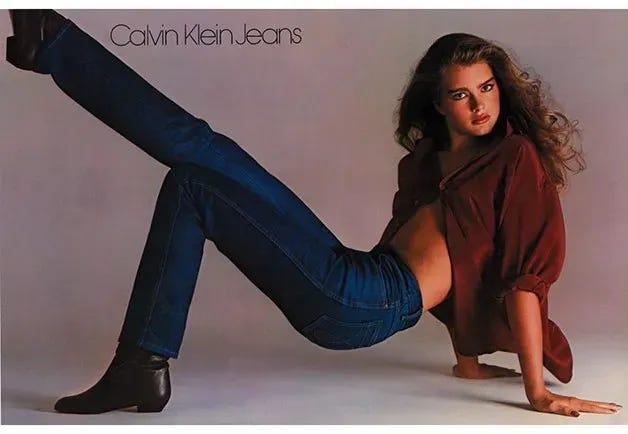
Like Ralph Lauren, Calvin Klein is the son of Jewish immigrants and raised in the Bronx. He launched his clothing brand with his his childhood best friend Barry Schwartz in 1968. Calvin Klein the brand has gone on to worldwide prominence (with some spikes of controversy here and there); among the company's innovations is designer denim, which it brought to the world in 1978.
HAMMACHER SCHLEMMER

Hammacher Schlemmer's heyday was in the 20th century, with its famous catalogues filled with quirky goods. The company claims to have introduced the world to everything from the pop-up toaster to the electric razor to the microwave oven, telephone answering machine, and cordless telephone. It's still around today, which is an impressive run since it started out over 175 years ago as a storefront hardware store at 221 Bowery.
ABERCROMBIE & FITCH
Before it had two names, Abercrombie Co. was the brainchild of David T. Abercrombie (1867-1931), who opened a small East River shop at 36 South Street to sell high-end outdoors gear. From this humble start on June 4th, 1892, the brand went on to add Ezra Fitch as a partner and to grow into a worldwide youth-fashion superstar, with over $4 billion in annual revenue and 750 stores.
SAKS FIFTH AVENUE
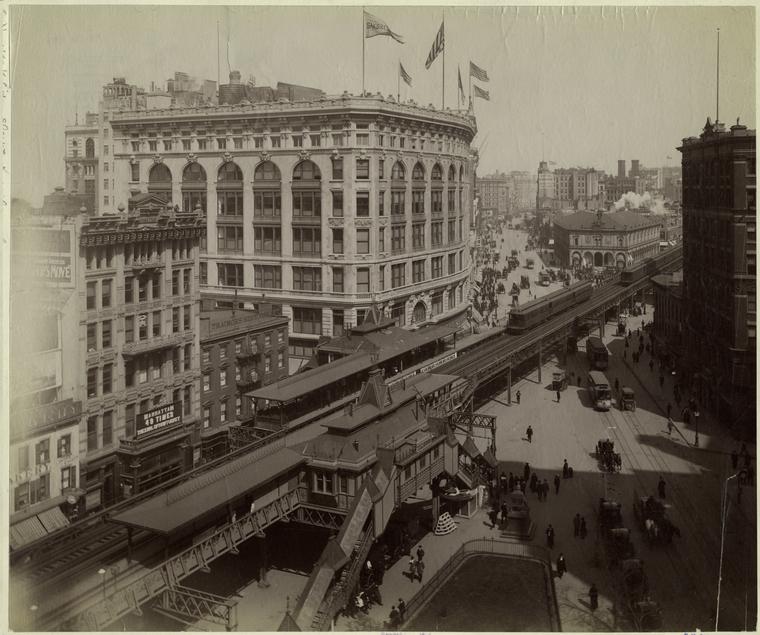
The Herald Square Saks & Co. store in 1903.
Two of NYC's biggest department store names are actually behind Saks Fifth Avenue. Horace Saks and Bernard Gimbel each had their own stores on West 34th Street near Herald Square before combining their efforts to create a "dream store" which launched on September 15th, 1924. (It's still there, with its distinctive Beaux-Arts style architecture, at what remains the brand's flagship address.) Good for 40 stores today, plus another 100 Saks OFF 5TH locations, sales top $5 billion annually.
CABLE TELEVISION STATIONS (AND HBO)

Today HBO (aka MAX) has over 110 million subscribers. Not only is it one of the most successful cable channels in history, it's also the first. Charles Dolan came up with the idea in a desperate attempt to keep his financially struggling Sterling Manhattan Cable Television afloat. Originally codenamed "The Green Channel," the plan was to show live sports and movies without annoying commercial interruptions. It worked! More than half a century after its November 8th, 1972 launch it has spawned hundreds of like-minded competitors and changed the face of entertainment.
TIFFANY & CO.
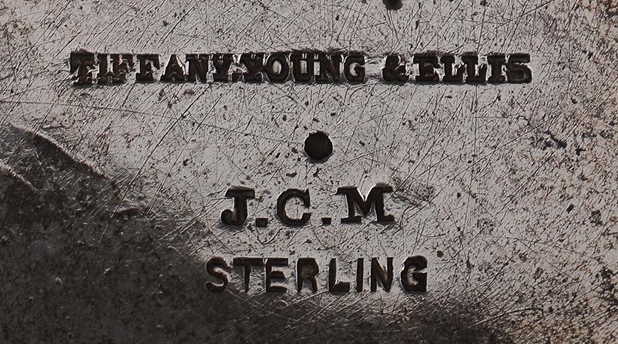
In 2021, Tiffany & Co. sold for $16 billion dollars. Not bad for an outfit that began as a "stationery and fancy goods emporium" that did $4.98 in sales on its first day. From origins at 259 Broadway, the company gradually shifted uptown, designing the interlocking NY on Yankee caps and becoming synonymous with luxury along the way. (Headquarters remain in New York, nearly two centuries after Charles Lewis Tiffany and John Young got things started in Lower Manhattan on on September 18th, 1837.)
STOCK INDEXES (AND THE WALL STREET JOURNAL)
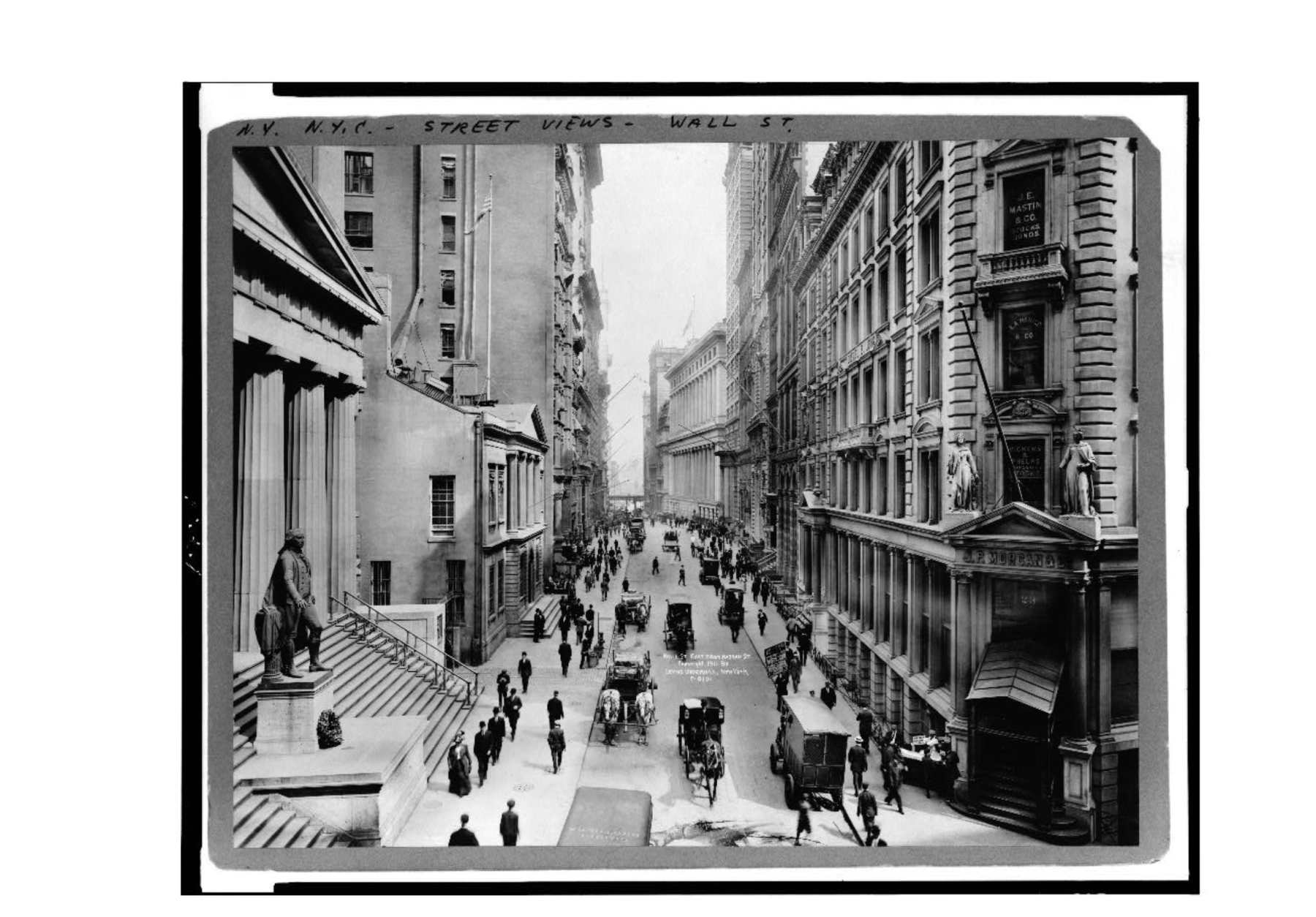
1911. Copyright by Irving Underhill.
If you recognize this block you'll probably figure out what started here. In the low structure to the left, behind the George Washington statue, a basement office beneath a candy store at 28 Wall Street was the birthplace of the Dow Jones Industrial Average and the Wall Street Journal. Charles Dow was behind both, partnered with Edward Jones, beginning with the financial news bureau Dow, Jones & Company in November of 1882. Still headquartered in New York City, Dow Jones & Company gets credit for being the world's first stock index, and a $2 billion+ business in annual revenue.
THE ELEVATED RAILWAY (AND THE CABLE CAR)
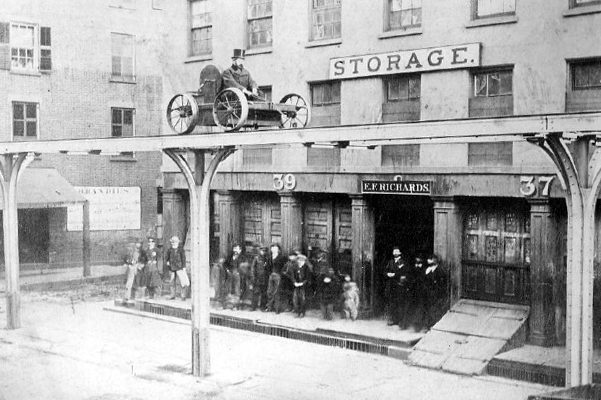
You might guess the elevated railway began in Chicago, but it started out in New York City. Engineer Charles T. Harvey came up with the idea—that's him testing it above—running along the west side in what was incorporated as the West Side and Yonkers Patented Railway. The trains were propelled by a cable system, six years before San Francisco came up with its version. Although this original elevated didn't pan out (the cable systems was unwieldy), the elevated train idea stuck. From these beginnings in 1868, the world's first El endured (at least in part) for another 90 years.
SHAKE SHACK
.png)
Shake Shack is known for its shakes and burgers, but it started out as a hot dog stand. Restauranteur Danny Meyer established a cart as part of a renewal program in Madison Square Park in 2001; the food came from Meyer's über-fancy Eleven Madison Park nearby. Evolving from the cart, Meyer opened a kiosk-style restaurant in the park, the first-ever Shake Shack, in July of 2004. It was supposed to be one of a kind but it got too popular and now the brand is in 500 locations across 19 countries, producing over one billion dollars in annual revenue.
SUPREME
The streetwear company Supreme has risen from humble downtown roots to collaborations with major players like Louis Vuitton, Yohji Yamamoto, Burberry, Fender, and Meissen. It was sold for over two billion dollars in 2020, not bad for a brand that designer James Jebbia launched from 274 Lafayette Street in April of 1994.
RANDOM HOUSE

While still in their 20s, New Yorkers Bennett Cerf and Donald S. Klopfer started Random House as a side project to accompany Modern Library, their main publishing concern. The offshoot quickly became their primary focus and Random House went on to become one of the biggest publishers in the U.S. Mergers and acquisitions later, it's still good for 15,000 releases and three and a half billion dollars in sales every year. And it's still headquartered in New York City, not far from where it started out in 1927.
GLOSSIER
.png)
Glossier has become a billion-dollar company, having pioneered direct-to-consumer beauty and cosmetics sales. It's been a quick ride—just ten years ago the entity was a blog, Into the Gloss, by Vogue employee Emily Weiss. Now Glossier products can be bought all around the globe.
COACH
Coach started off as a family-run enterprise in a Garment District loft in 1941. It's come a long way, opening nearly 1,000 stores around the world and becoming known for premier leather crafting. In another sense, it hasn't come very far: its headquarters are still in Manhattan, in nearly the same spot where the business began (except it's all much swankier now, being part of Hudson Yards.)
EQUINOX

Equinox was born in NYC and is still headquartered here today. It's a big conglomerate now ($7 billion dollars in annual revenue, 300 locations around the country and a few more internationally) but it began humbly, with a single uptown location. Family members Danny, Vito, and Lavinia Errico started in up on September 23rd, 1991, at 344 Amsterdam Avenue. The gym is still there today, serving as the company's flagship.
THE COPIER
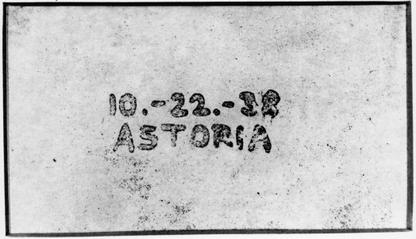
The image above is the world's first Xerox, created in Astoria, Queens, on October 22nd, 1938. Chester F. Carlson was the inventor, the man who came up with the copier machine. (His inspiration was law school days, spent copying out of books by hand at the New York Public Library.) Using a combination of heat and pressure to transfer images from one surface to another, he made use of an electrostatic charge and fine black powder (aka toner). In time, Carlson partnered with the Haloid Company, which became Xerox, and the rest is photocopy history.
INSTANT COFFEE
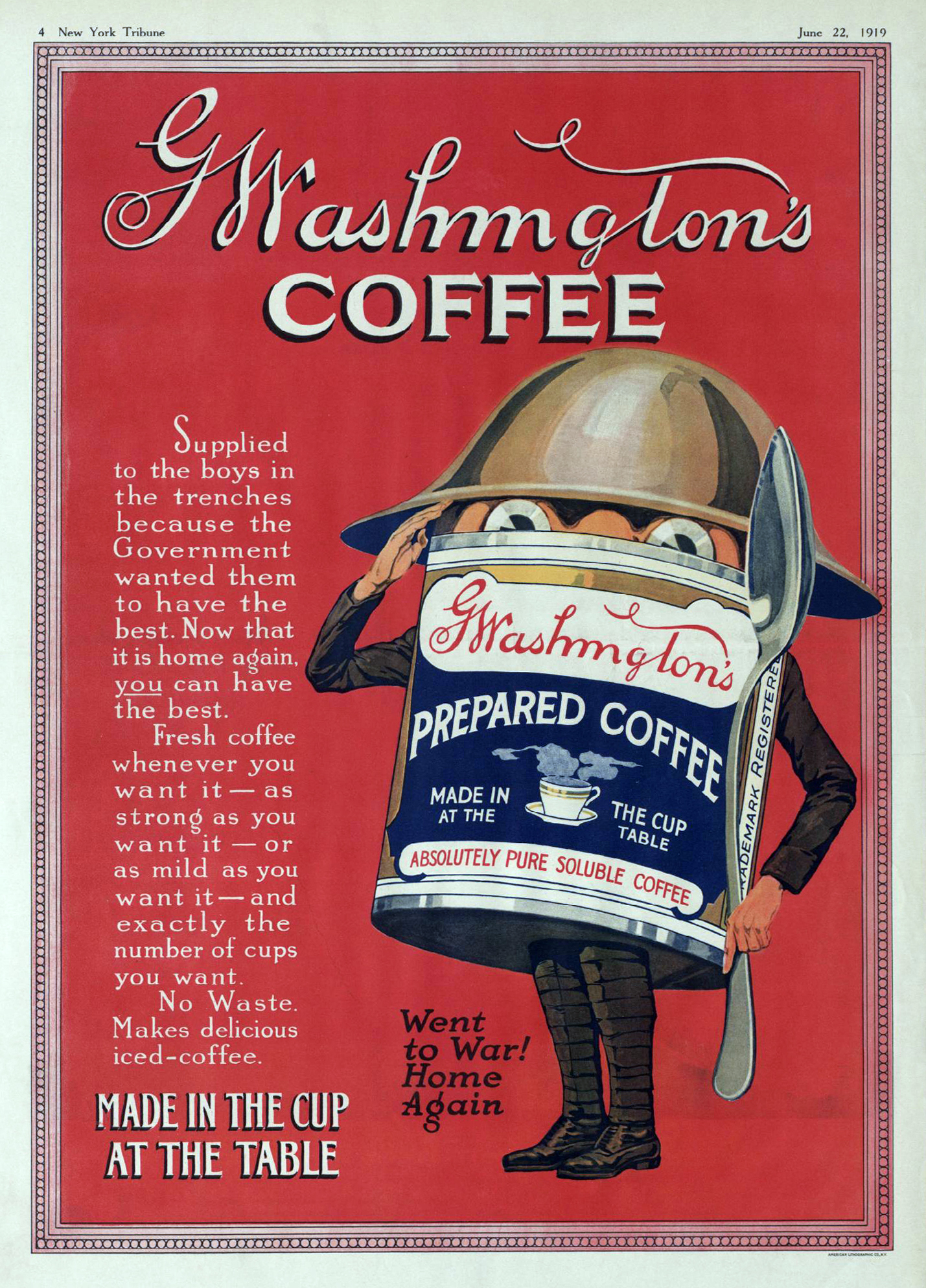
An immigrant in Brooklyn named George Constant Louis Washington perfected and popularized instant coffee. He started production in Brooklyn, not far from his home, all the way back in 1909. The product took a little while to gain traction but its use as a combat ration in World War I gave it prominence (it didn't hurt that at the time, Washington had almost no competition with his version). Competition did eventually appear and the brand was discontinued in 1961. But Washington's name lives on with another instant success, G. Washington's Seasoning & Broth.
CHOCK FULL O’NUTS
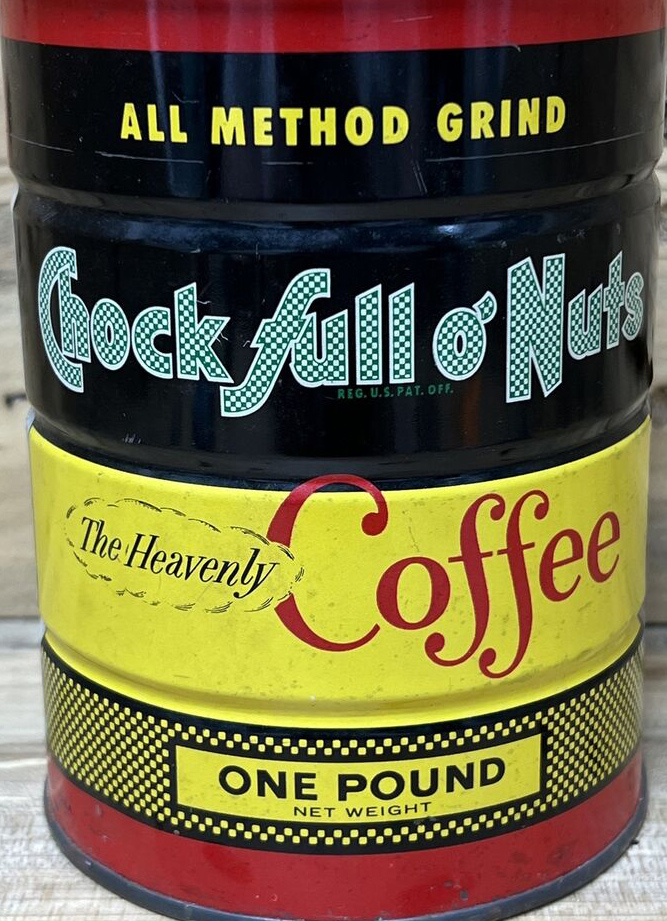
The name Chock full o’Nuts is a pretty good clue this brand didn't start off as a coffee seller. William Black began the business as a nut roaster on the very prime corner of Broadway and 43rd Street in 1926. Nuts became too much of a luxury item in the Depression era so Black switched to roasting coffee in 1932. He built the brand up to #1 in NYC by 1955 and grabbed a sizable chunk of market share at the business's peak in the 1960s. Chock full o'Nuts stayed in the family until 1999, when an era of corporate ownership began.
DUANE READE

Duane Street and Reade Street in Tribeca gave this Manhattan brand its name. (The streets themselves honor 18th century New York politicians James Duane and Joseph Reade.) A trio of brothers started the business, which at its peak had 250 stores spread across New York City, New Jersey, and Long Island. The family sold its interest in Duane Reade after 32 years but the drug store chain is still around today, and still headquartered in Lower Manhattan, not far from where it started out in 1960.
STELLA D'ORO
Joseph Kresevich of Trieste, Italy, formed Stella D'oro with his wife Angela in 1930. They opened in Kingsbridge, the Bronx, and soon developed a national following. Their goods were less sweet than competitors and went especially well with coffee and tea. They lasted six decades as a family business, becoming a local landmark (both as a sight and a scent).
ETSY

Etsy started out with three employees and has grown to a site with 96 million buyers. The beginnings were in a Dumbo apartment, in 2005. Its logo hasn't changed in all these years!
LORD & TAYLOR
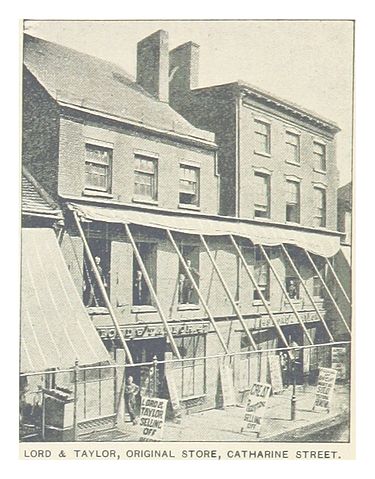
Lord & Taylor was long synonymous with luxury, although you'd never guess it to look at the site of its original location in what is now Chinatown. English-born Samuel Lord started the business off as a dry goods store in 1824 on Catherine Street. His wife's cousin George Washington Taylor joined in 1834, and the Lord & Taylor name was born. The business moved steadily north and became a major national player, with 50 high-profile locations around the country. Recent years in retail took their toll, however—the brand today only exists as an online enterprise.
THE ROLLERCOASTER

National Roller Coaster Day takes place on August 16th, honoring a pioneering loop rollercoaster, patented by Edwin Prescott on that day in 1898. The Loop-the-Loop was installed on Coney Island, following in the footsteps of an even older coaster. The Switchback Railway, also on Coney Island, and the world's first rollercoaster created solely for entertainment. LaMarcus Adna Thompson, the "Father of the American Roller Coaster," gets credit for the design, all the way back in 1885.
SOUL CYCLE

Over one-million people have passed through the doors of SoulCycle, which has 80 locations around the country. It began with one Manhattan-based instructor in 1996 before launching its first studio on the Upper West Side in 2006. Ownership has changed but this is still a Manhattan company, headquartered in the West Village.
HÄAGEN-DAZS
Häagen-Dazs succeeds in sounding like a fancy European import but its roots are in the Bronx. Polish-Jewish immigrants Reuben and Rose Mattus came up with the product in 1960, picking the name as a tribute to Denmark's exemplary treatment of its Jews during World War II. The first cartons included a map of Denmark and an umlaut in the spelling. (There is no umlaut in the Danish language.) The ice cream became a success for its reliance on cream and natural ingredients. There are 900 shops around the world today, an outgrowth of the first one, opened in Brooklyn Heights in 1976. It's still there today.
BREAKDANCING

Breakdancing grew out of the Bronx's hip-hop culture in the early 1970s. The dance form has subsequently gone on to sweep the world, including being an official event at the 2024 Paris Olympics.
BARNES & NOBLE
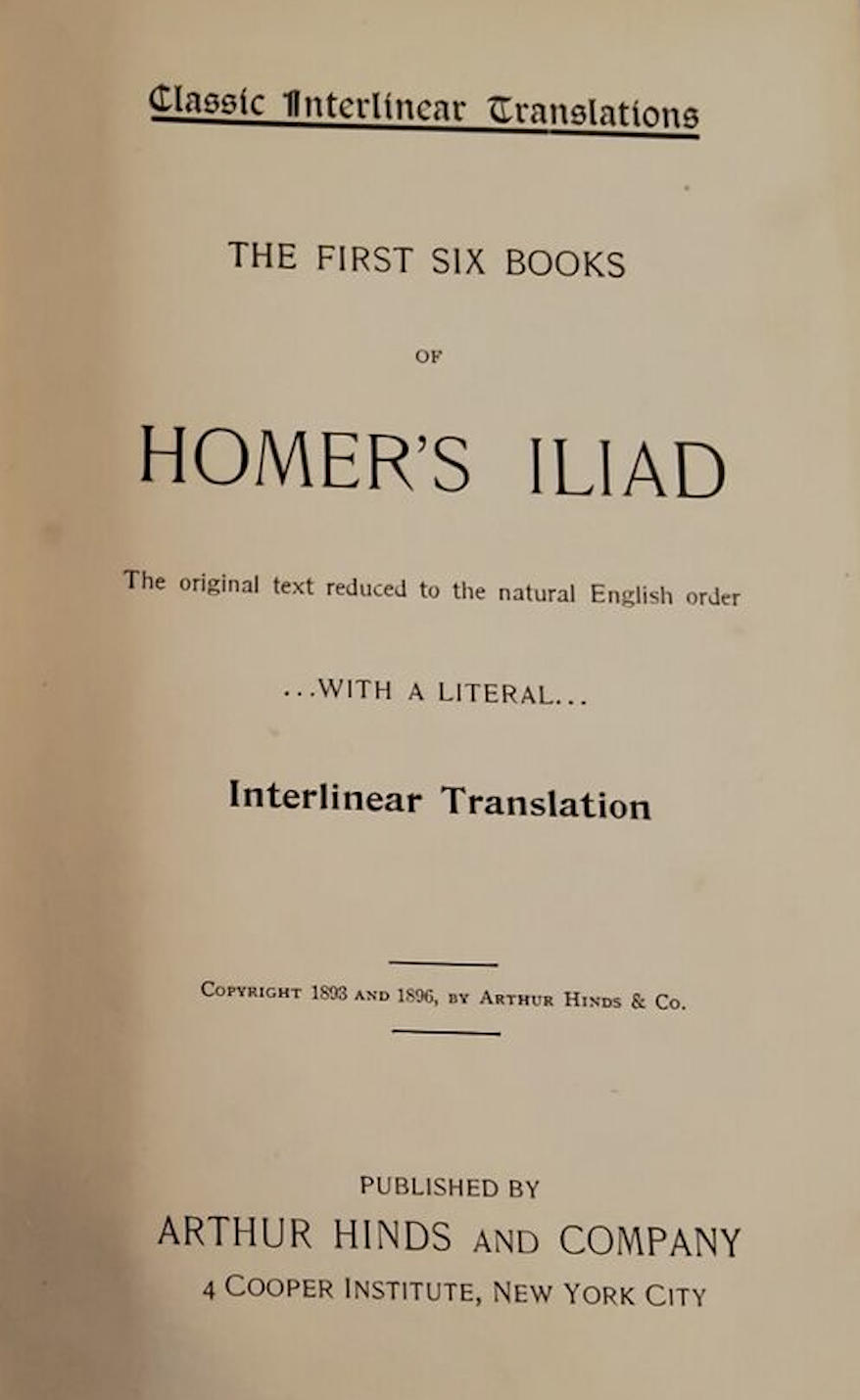
Barnes & Noble is the biggest bookstore chain in the U.S., with billions in annual revenue. It started out in the East Village, as a single shop inside Cooper Union in 1886. Arthur Hinds and Company was the original name, until an early-hire clerk named Gilbert Clifford Noble joined. The Hinds & Noble name changed again when William Barnes came on. The company is still headquartered in Manhattan today.
THE CO-OP APARTMENT
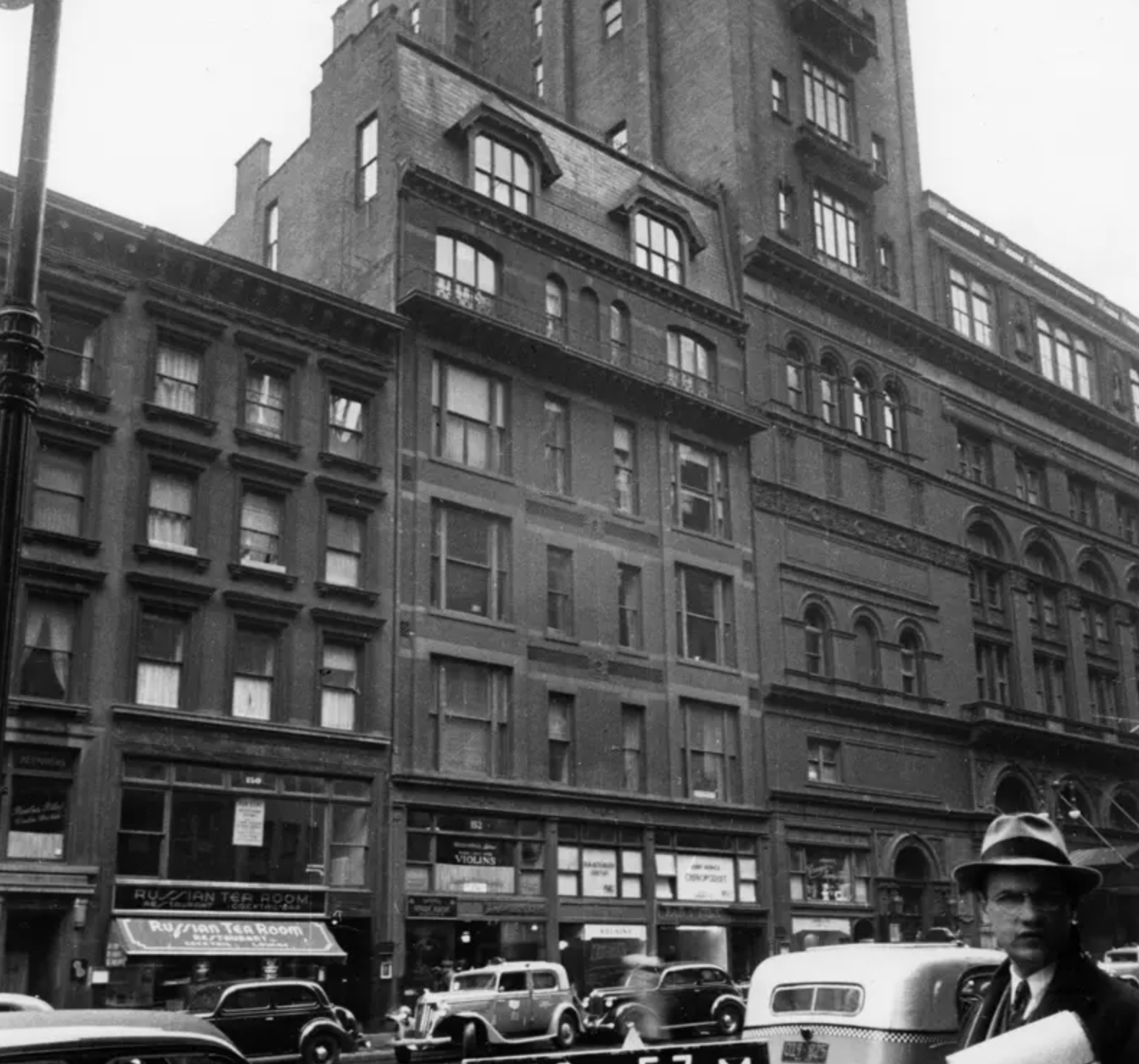
Given the complexities of finding a place to live in New York City it makes sense the city pioneered the co-op apartment. Designed to lower the cost of living, with a shared staff and ice and coal bought at bulk rates, the concept was a success and soon migrated around the globe. The world's first example was at 152 W. 57th St., a building called The Rembrandt.
MACY'S

Rowland Hussey Macy founded Macy's on the corner of 14th Street and Sixth Avenue in 1851. The brand peaked at 850 locations and along the way added some retail innovations that are everywhere today, including the concept of a department store, cash transactions, set prices instead of haggling, tailoring services, in-shop Santa visits, and holiday windows.
KIEHL'S
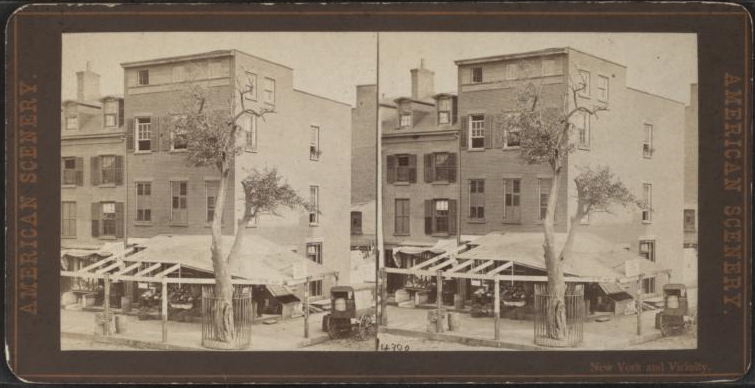
New York Public Library
There are nearly 500 locations of Kiehl's today, in countries all around the world. It started out as a single location, in the East Village, which it still uses today on Third Avenue at East 13th Street. (The corner was famous once for being home to the Stuyvesant Pear Tree, which held down the spot beginning in the 17th century.) John Kiehl was the eponymous pharmacist, applying his interests in botany to expand the apothecary's offerings.
RALPH LAUREN CORPORATION
Ralph Lauren does about $6 billion in annual sales and employs 20,000 people around the world. Despite its preppy name, like so many American icons it began with a child of immigrants, in this case from the Bronx. (Ralph Lauren was born Ralph Lifshitz but changed his last name when he was 16, following his brothers, who also experienced bullying from it.) Lauren got his start with Brooks Brothers (below), as a tie designer, which helped him hone his classic American style. His company was founded in 1967 and remains headquartered in New York City.
BROOKS BROTHERS
Brooks Brothers is the world's oldest clothing retailer. It's been in business since 1818, when Henry Sands Brooks opened H. & D.H. Brooks & Co. on the northeast corner of Catherine and Cherry Streets on the Lower East Side. He eventually turned the business over to his four sons, who changed the name and expanded. Among Brooks Brothers's innovations are the ready-to-wear suit, the first American button-down polo, and bringing the U.S. market the Shetland sweater, the Harris tweed, madras, argyle socks, and summer suits. The business managed to stay in family hands for more than a century, until 1946.
TELEVISED SPORTS
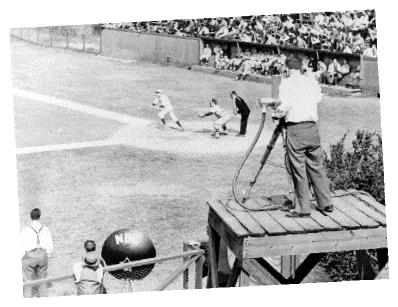
Globally, televised sports are prominent in many cultures and account for a $60 billion dollar market. The beginnings trace back to the north end of Manhattan and Baker Field. Columbia University's home turf was the site of the first televised sporting event, on May 17, 1939, when Princeton traveled to Columbia for a baseball game. The National Broadcasting Company beamed the game out to the 400 or so sets that could receive the signal. They were happy enough with the results to try a pro game a few months later. Brooklyn was the location for that one, as the Reds took on the Dodgers at Ebbets Field on August 26th, 1939. It was the first pro sporting event to ever be televised.
GOODNIGHT MOON
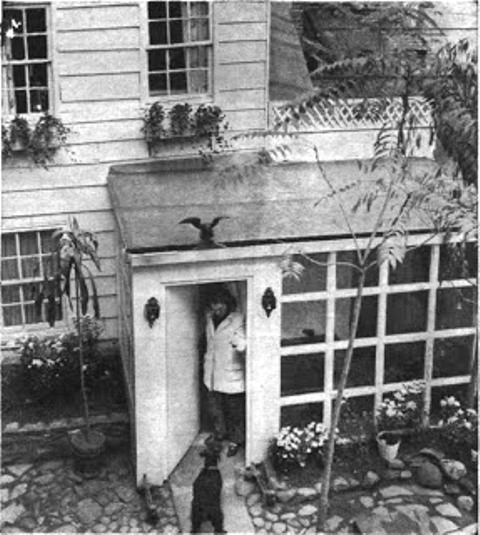
Goodnight Moon has sold more than 50 million copies—it sells briskly today, nearly seven decades after its initial publication. The book seems like it could be from England, or maybe even New England, but its origins are in a small farmhouse on 71st Street and York Avenue. (The house can be seen today in Greenwich Village, where it was moved in 1967.) "Cobble Court" was where author Margaret Wise Brown wrote Goodnight Moon and she drew on the interior for inspiration.
BLOOMINGDALE'S
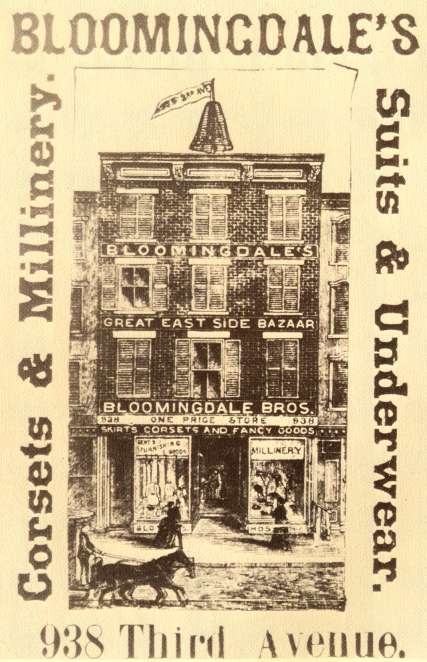
The first Bloomingdale's goes back to the Civil War era and the Lower East Side. Immigrant Benjamin Bloomingdale and his son Lyman Bloomingdale founded it in 1861 as Bloomingdale's Hoopskirts, with a focus on the then-trendy design. Lyman and his brother Joseph had a sharp eye for growth opportunities and opened a second location in midtown, Bloomingdale's Great East Side Bazaar, in 1872. Along the way they pioneered the notion of a department store. In 1886 they established Bloomingdale's at 59th and Lexington Avenue, the flagship headquarters the company retains to this day, along with 57 other locations.
BOAR'S HEAD PROVISION COMPANY
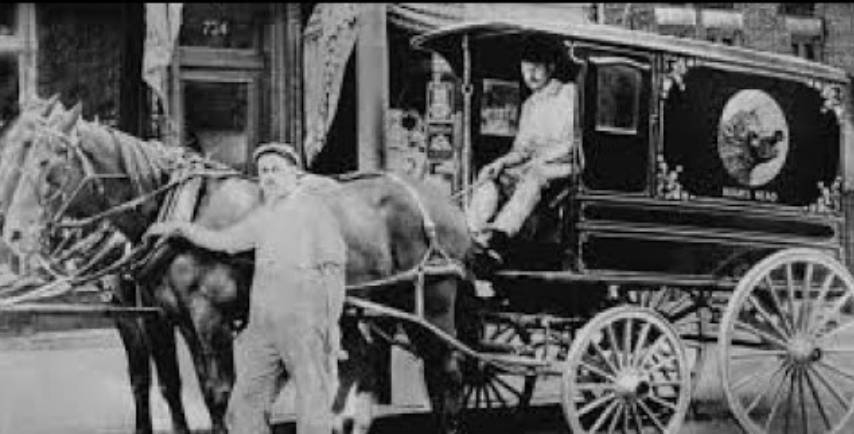
Boar's Head has a national reach, showing up on grocery shelves and in deli cases all over. It sells over a billion dollars every year but it began with humble Brooklyn roots. Frank Brunckhorst began distributing under the brand name in 1905, selling cold cuts and hot dogs in an effort to add more quality to Brooklynite plates. By 1933 Brunckhorst and his partners had launched their first small manufacturing plant in Brooklyn. (More than a century later the same families are still running the business, which advises you to "Compromise Elsewhere.")
SCIENTIFIC AMERICAN
.png)
Scientific American is the U.S.'s oldest continuously published magazine, counting Albert Einstein and Nikola Tesla among its contributors (150 Nobel laureates have been featured on these pages over the years). It might seem like the offspring of California tech but its origins are in New York City, with inventor Rufus Porter. The first issue was published on August 28th, 1845—not a bad run!
CHIPWICH

No less an authority than the New York Times has ranked this the #1 packaged frozen treat. You can find it anywhere but it began in New York City. Brooklynite Richard LaMotta came up with the idea in 1978 and within two weeks he was selling New Yorkers 40,000 of them a day. By the time he sold the company to Coolbrands International in 2002, more than a billion Chipwiches had been sold.
RAINBOW COOKIES
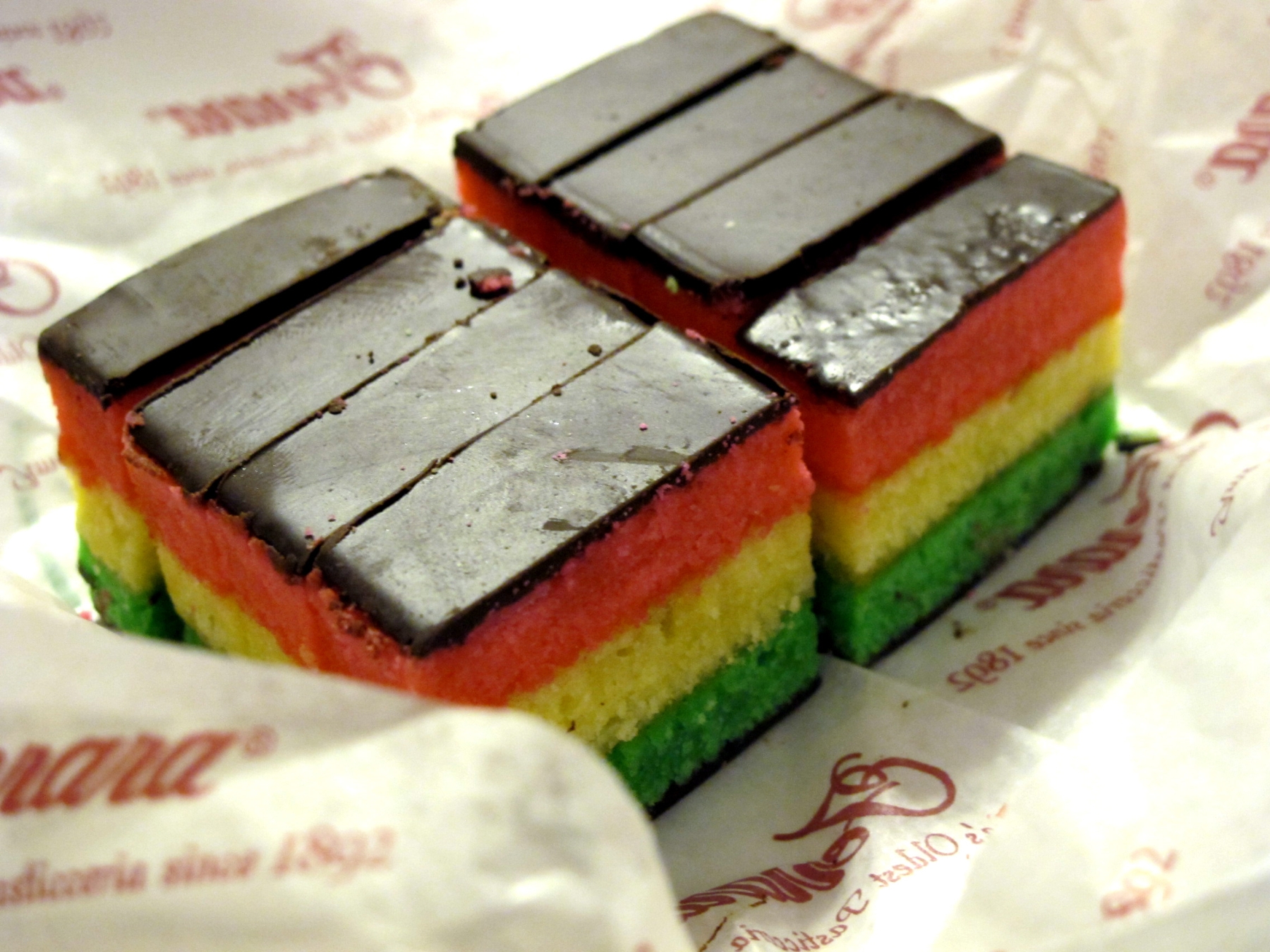
wEnDy/Flickr
You might guess this is an Italian export but it's a New York original. The dessert goes by many names: rainbow cookies, rainbow cake, Neapolitan cookies, seven layer cookies, Venetian cookies, seven layer cake, Italian flag cookies, tricolor cookies, and tricolore. New York City has been making (and eating) them for a century, beginning in Italian-American neighborhoods and being picked up by nearby Jewish communities as well.
JOYVA
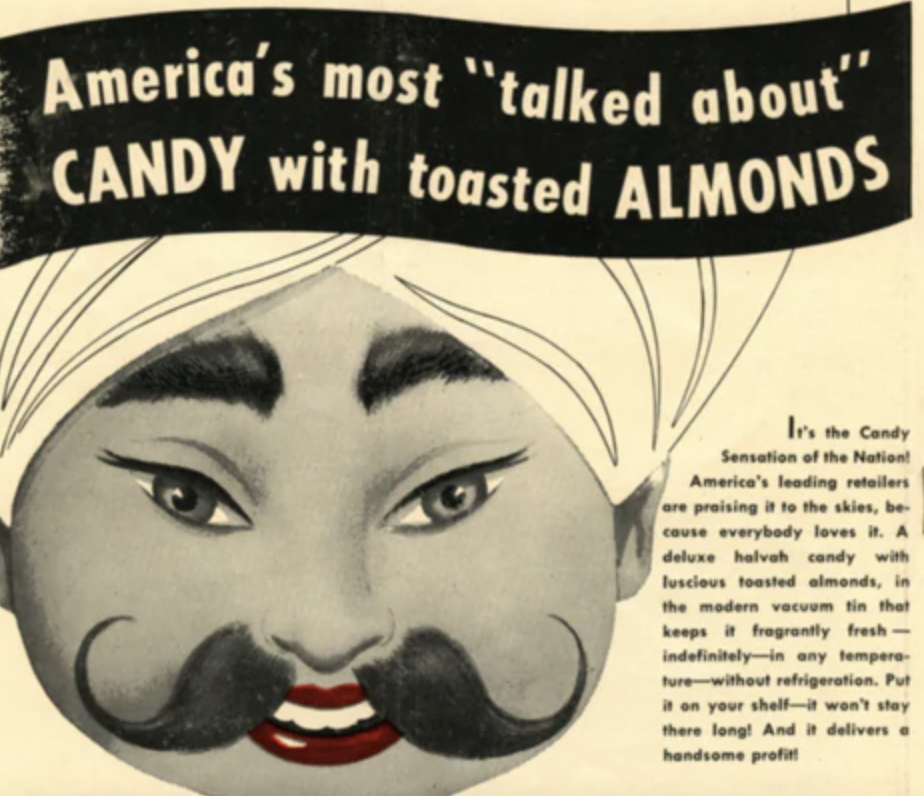
Joyva is the #1 maker of the sesame-based dessert halvah in the U.S. Their products (they're also well known for their jelly rings and tahini) tend to be especially prominent in grocery stores around Passover. Founder Nathan Radutzky, in immigrant from Ukraine, began the business as a pushcart halvah vendor on the Lower East Side in 1907. He soon moved to Brooklyn, eventually growing the business enough to open a factory in Bushwick, in 1931. Joyva is still based there today, still owned and run by the same family.
KICKSTARTER

Although not the first crowdfunding platform, Kickstarter expanded the original concept to a wide range of creative projects. It remains a major force, responsible for more than 20% of the market. Some $7 billion has been pledged through the site. The company was born in New York City in 2009 and is still based in Brooklyn.
SCHAEFER BEER
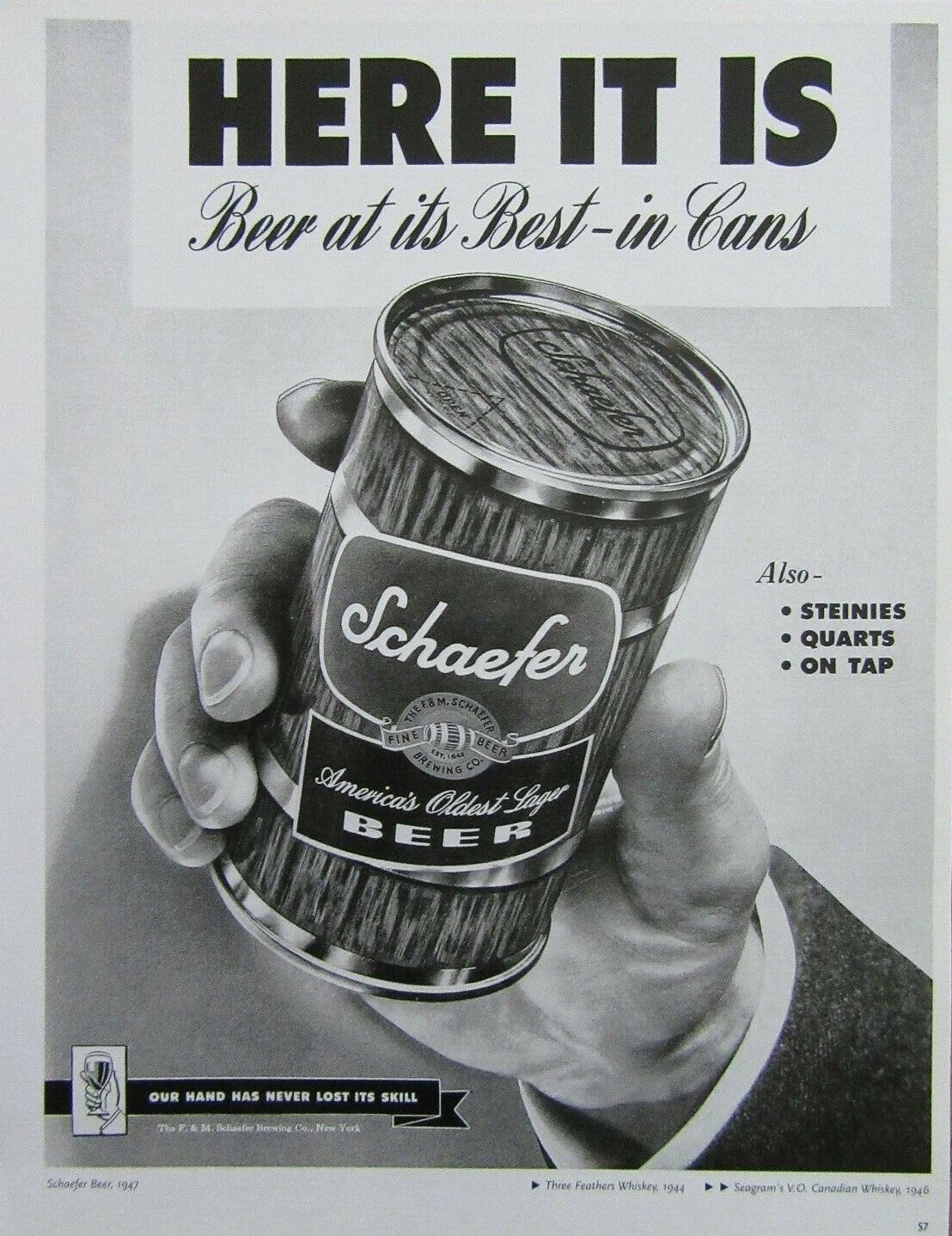
Schaefer Beer seems like it should be a Milwaukee stalwart but it started out in New York City, Manhattan to be specific. The F. & M. Schaefer Brewing Company, founded by Frederick Schaefer and his brother Maximilian, goes all the way back to 1842. Their first expansion was to Park Avenue and 51st St., which is hard to imagine holding a brewery at any time. In 1916 they moved again, to bigger digs at the corner of Park and Kent Avenues in Williamsburg. They stayed on into the 1970s before finally leaving New York City for good.
MINWAX
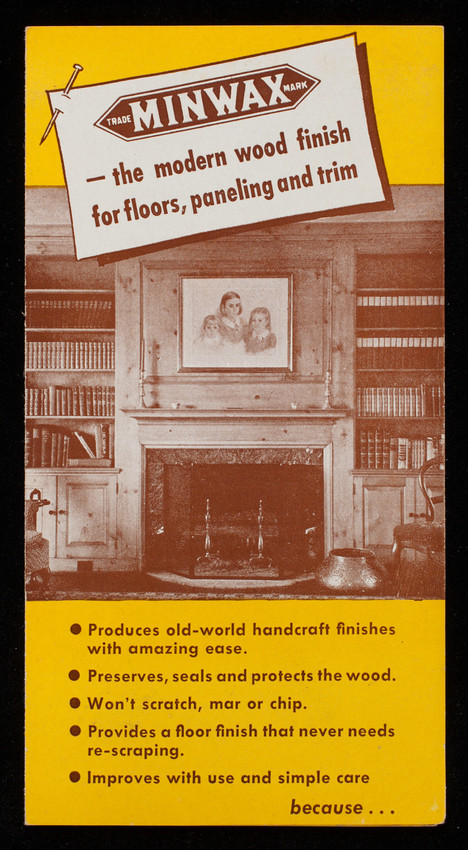
Arthur B. Harrison invented a cotton waterproofing that became widely used in tunnels, bridges, and foundations. The company he launched is even better known. Minwax began in 1904 in Brooklyn, when Harrison developed the earliest version of "the Rolls-Royce of wood finishing products." He eventually took over the business on his own, trademarking the name in 1914 and remaining a family business for close to a century.
POLLY-O
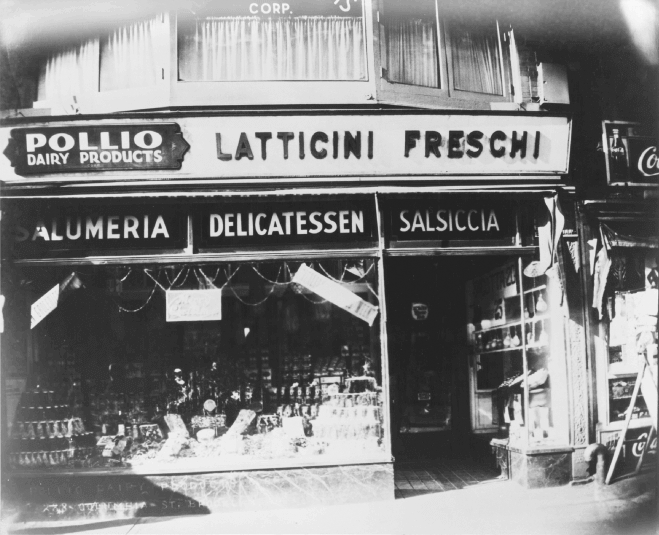
Polly-O is a staple for many, especially famous for its mozzarella, ricotta, and string cheeses. The business helped develop American tastes for these product, being the first to introduce string cheese to the U.S. Noticing a dearth of quality cheese, Italian immigrant Giuseppe Pollio began his line from a Coney Island storefront in 1899. The name was changed in 1948 to avoid the connotations of the polio epidemic, but the company remained independent for 87 years. (It eventually was acquired by Kraft before going independent again as a part of BelGioioso Cheese.)
ENTENMANN'S
You know them for crumb cakes, loaf cakes, doughnuts, and chocolate chip cookies, among more than 100 products in all. They can be found in most every grocery store in the country. Before they were a nationwide force, Entenmann's was a Brooklyn original. The company's first bakery was at 594 Rogers Avenue in Prospect Lefferts Gardens (the storefront is still there today). William Entenmann was the founder in 1898—it remained a family business for more than seven decades.
BRISTOL MYERS SQUIBB

Bristol Myers Squibb had $45 billion in revenue in 2023, making it one of the top pharmaceutical companies in the world. Its origins are a classic New York story, as Dr. Edward Robinson Squibb formed his own laboratory in 1858 near the Brooklyn Navy Yard, where he had been employed. A brownstone at 149 Furman St. was the first Squibb lab, at least until a fire claimed it. William McLaren Bristol and John Ripley Myers later joined the fold, but Squibb's name is still on the company 166 years later.
12 STEPS
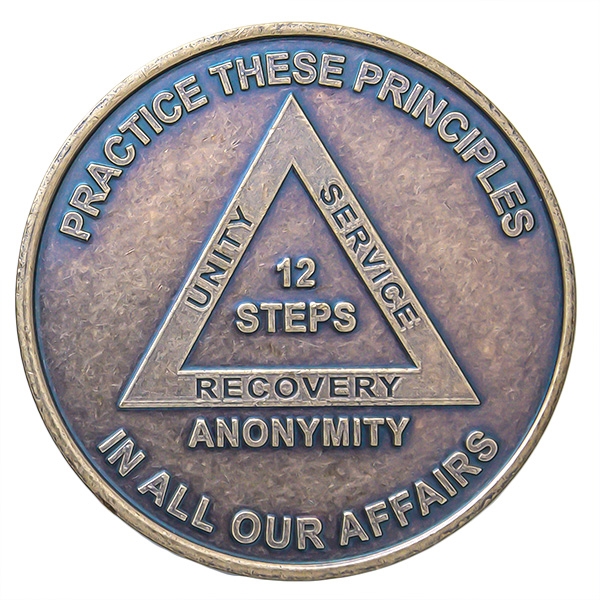
More than two million people across 180 countries are members of Alcoholics Anonymous. It dates its founding to 1935 and the commiseration between Bill Wilson (Bill W.) and Bob Smith (Dr. Bob). The 1939 publication of Wilson's Alcoholics Anonymous: The Story of How More than One Hundred Men Have Recovered from Alcoholism (aka “the Big Book") gave the organization a major push. One of the foundational principles in the book is the 12 Steps, which also serve many other mutual aid societies. They came out of a writing session at Bill Wilson's home: 182 Clinton Street in Brooklyn Heights in December of 1938.
THE JEWISH DELI
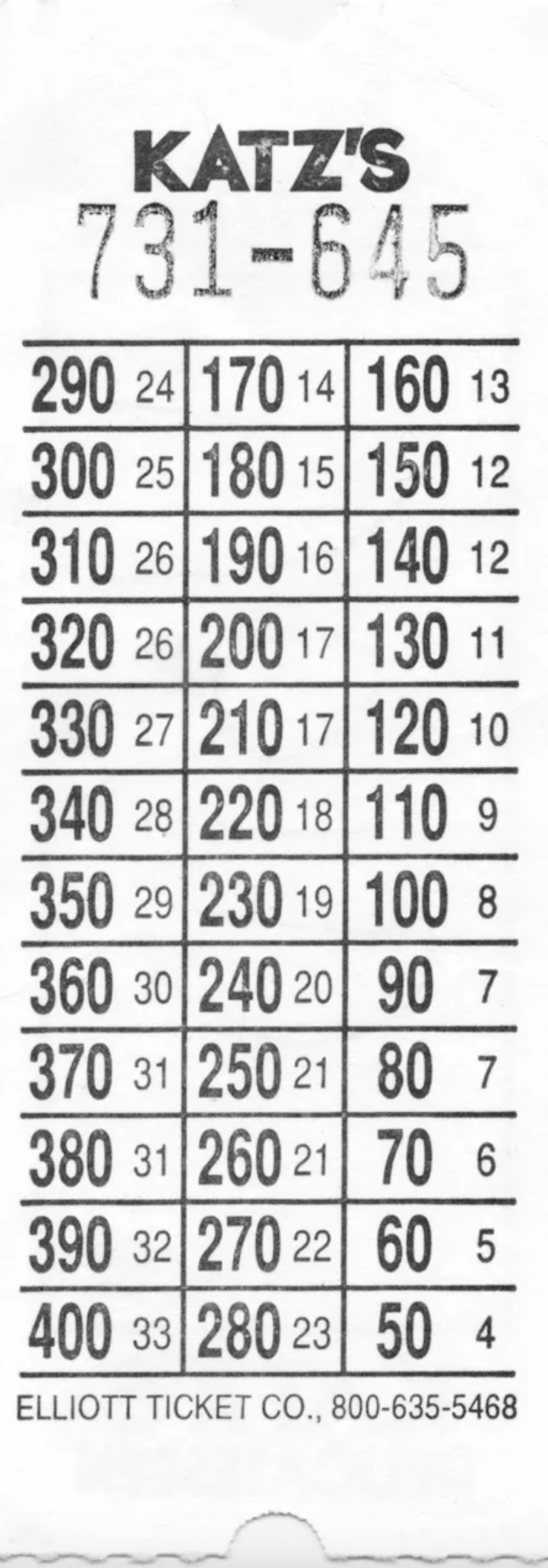
Not a huge surprise that this is a New York invention, although you might have thought it was an old country import first. In fact, the original Jewish deli was started by the Iceland Brothers on the Lower East Side in 1888. Willy Katz joined the restaurant in 1903 and bought out the Iceland Brothers with his cousin Benny in 1910. Today you can find Jewish delis from coast to coast, in locations as random as Indianapolis, Beverly Hills, and Orlando.
PACKAGED COFFEE
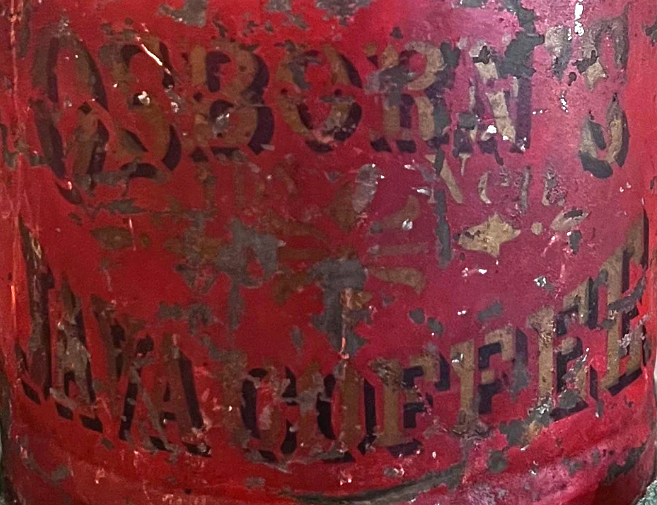
New York City gets credit for three innovations in birth of coffee making its way into homes, offices, and hotel suites. During the early years of the Civil War, NYC's Lewis Osborn created Osborn's Celebrated Prepared Java Coffee, which is the first ground, prepared, and packaged coffee in world history. Although it did not give the market a major jolt (the bulky pail it was distributed in probably didn't help), it opened the door for bigger operations. In 1862, the first factory in the U.S. to make bags for loose coffee began operations in Brooklyn. The big win, however, belonged to John Arbuckle and his brother Charles. They founded the Arbuckle Brothers Company in New York City in 1871 and became the first merchants to sell packaged coffee. (The coffee itself went nationwide, sold under the Ariosa brand and becoming popular enough on the frontier to be branded "The Coffee that won the West.")
TWIZZLERS
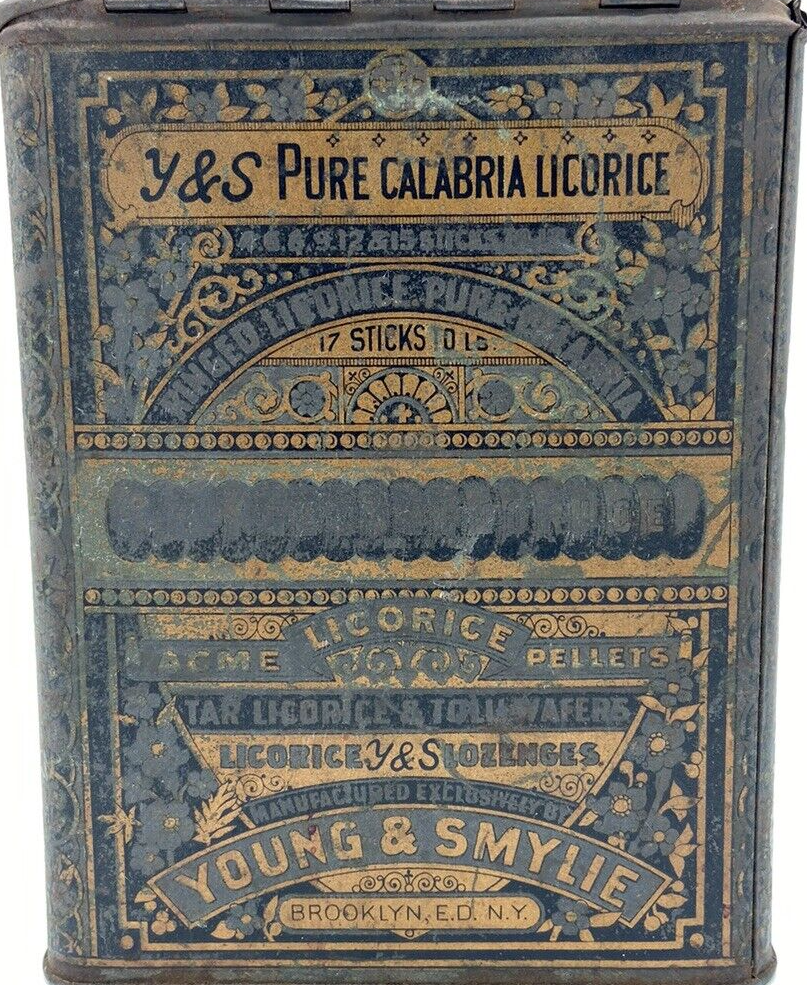
Over 100 million Twizzlers are sold every year in the U.S. and it's a $3,000,000,000 business globally, but the origins of the candy are small-town NYC. Two Brooklyn businesses combined forces in 1845 and sold whips and other licorice confections as Young & Smylie. They didn't pick up the Twizzler name until after later mergers and consolidations—that licorice brand has been around since 1929.
THE CHYRON/NEWS TICKER
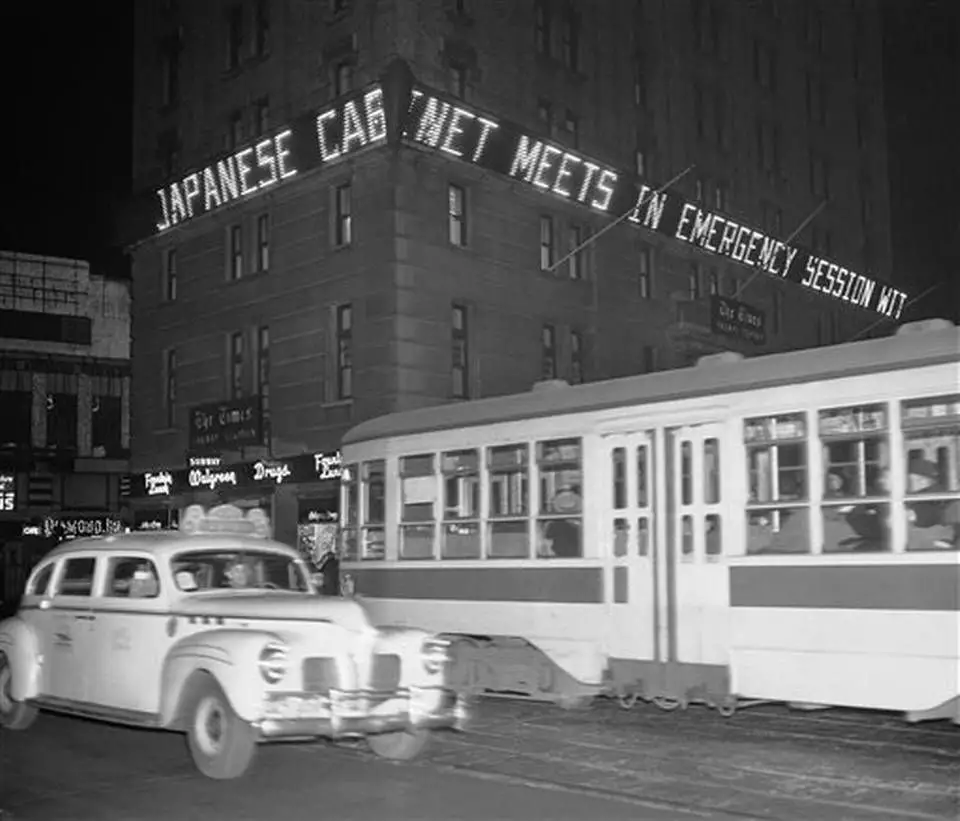
Most contemporary newscasts run a line of text to accompany their reporting, a concept that traces back to New York City and the first news ticker. Known as the "the Zipper," the Motograph News Bulletin used nearly 15,000 lightbulbs to transmit the latest directly to denizens of Times Square. Engineer Frank C. Reilly put the concept into reality, launching the ticker on November 6th, 1928. The first message? HOOVER DEFEATS AL SMITH.
THE HEDGE FUND

Four trillion dollars are under hedge fund control these days, but a century ago they didn't exist. Benjamin Graham, an immigrant New Yorker overcoming an impoverished upbringing, came up with the concept when he founded the Graham–Newman Corp. in New York City in 1926. Credited with being behind the world's first hedge fund, Graham also made a name mentoring Warren Buffet and becoming known as the "father of value investing."
BATMAN
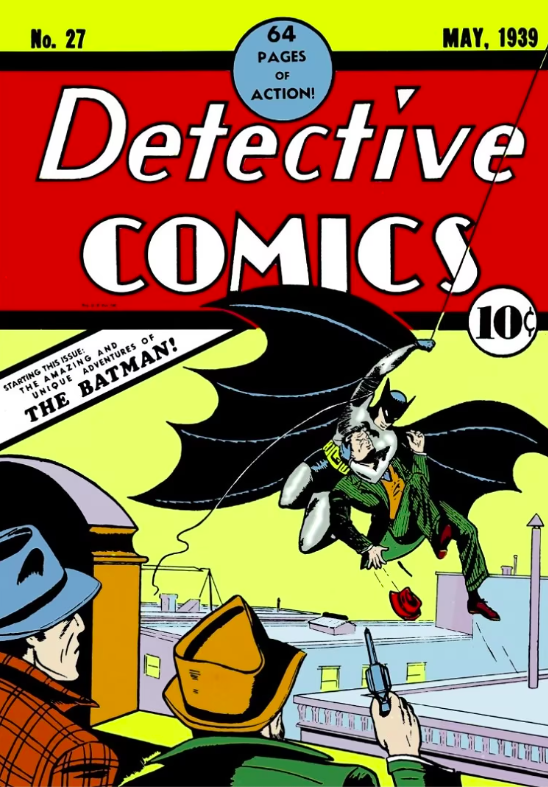
Stately Wayne Manor is not the point of origin for Batman. Although he made many billions for Hollywood, the character's origins are with humble kids of immigrants in the Bronx. Bill Finger and Bob Kane introduced Batman to the world in Detective Comics #27 in the spring of 1939. By lore, Kane came up with the character from a bench in Poe Park, which sits alongside the final home of another famed Bronx resident, Edgar Allan Poe.
THE FIRST TRAFFIC CIRCLE
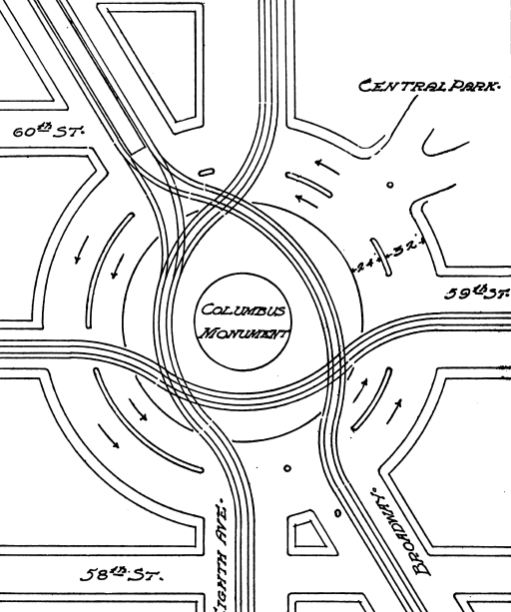
Sure, rotaries had been around for a long time, but New York City was the first place to install a traffic circle capable of coping with modern automobile traffic. The innovation came from NYC-born innovator William Phelps Eno, who had it installed in Columbus Circle in 1903. (That was the same year he wrote the world's first traffic code, another NYC-first creation.)
THE FIRST HIT ROCK 'N' ROLL RECORD
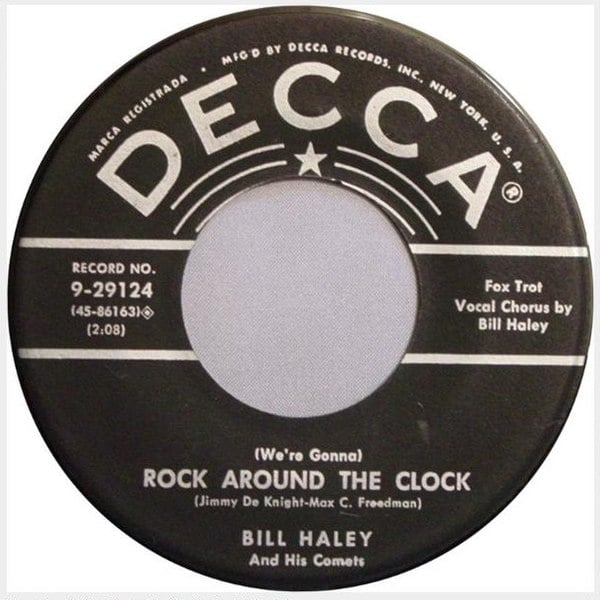
Tracing the precise birth of rock 'n' roll is a murky affair, with smudged borders across the blues, jazz, and r&b. There is no dispute, however, about the first rock 'n' roll hit. That honor belongs to Bill Haley & His Comets and the single "Rock Around the Clock." The recording session took place on the Upper West Side at the Pythian Temple studios on April 12th, 1954. (The building still stands today, after its conversion to condominiums. In a bit of pop music serendipity, it's the childhood home of Lady Gaga.)
THE ICE CREAM SANDWICH
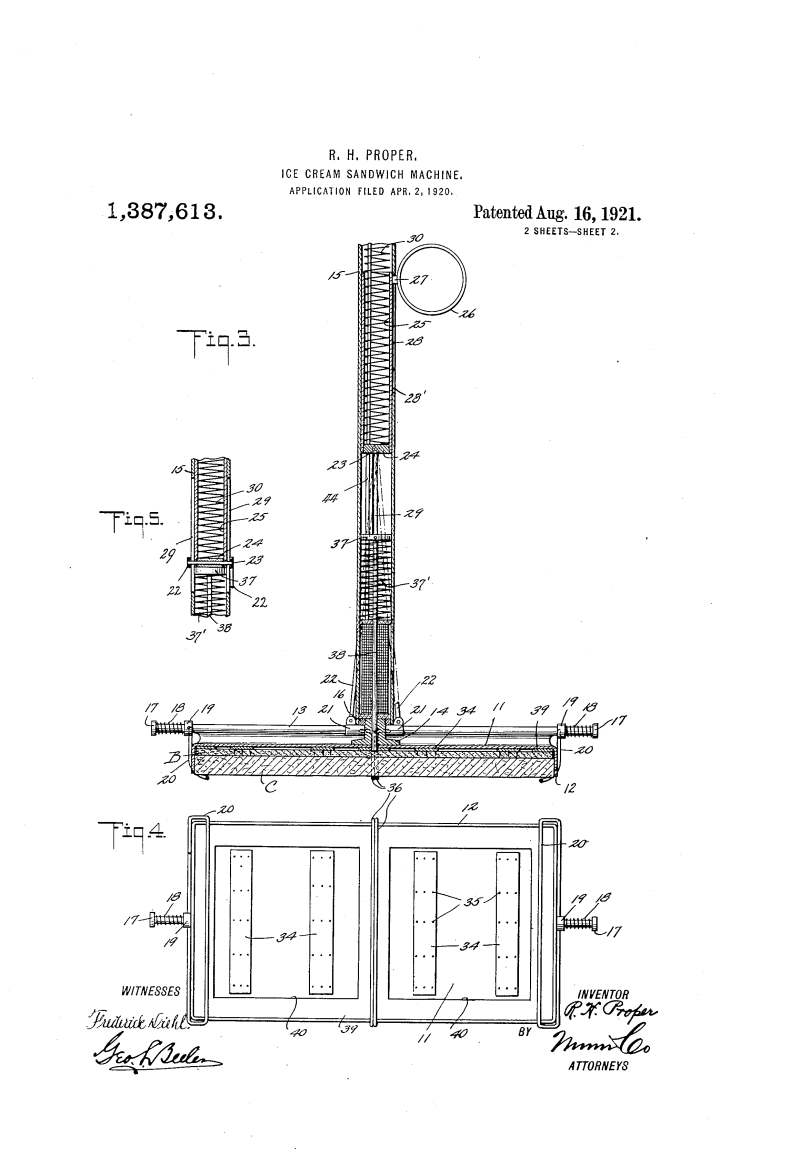
The ice cream sandwich remains one of the top choices for ice cream, well more than a century after its invention on the Bowery. From pushcart origins circa 1899, it was just a couple of decades before a first patent was issued for an ice cream sandwich-making device. That patent was awarded to Manhattan resident Russell H. Proper, on August 16th, 1921. Today, 48 ice cream sandwiches are consumed in America every second.
DRY CLEANING
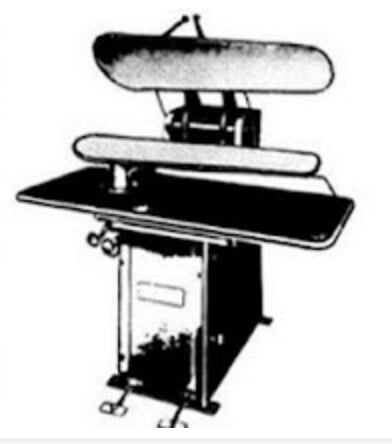
Thomas L. Jennings (1791–1856) has the distinction of the first Black person to hold a U.S. patent. That patent is for dry cleaning, a process he invented based on concerns from his customers at his Church Street clothing store. His patent was issued on March 3rd, 1821.
DR. BROWN'S
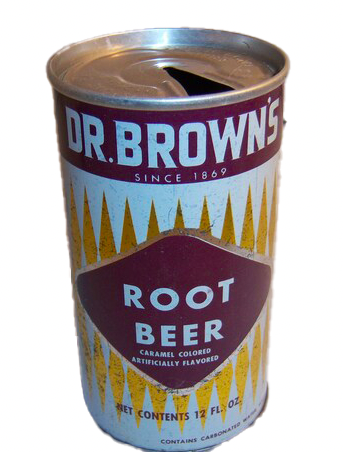
You can find Dr. Brown's at delicatessens all around the country (not to mention upscale grocery stores and even in English-speaking neighborhoods of Israel). Before it had a global presence it was a New York City notion. Its invention goes back to 1869 and a nerve tonic formula, credited to the original Dr. Brown.
DIET SODA
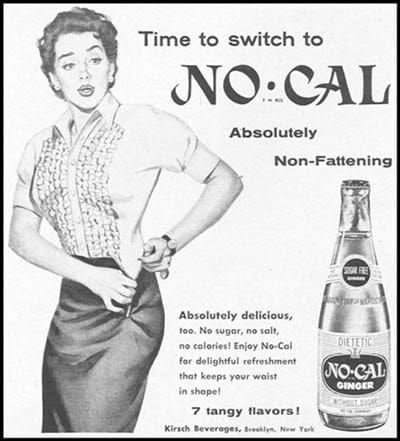
The diet soda industry is good for $5 billion in annual sales, but 70 or so years ago it didn't even exist. Credit for the innovation goes to New York City, Brooklyn to be precise and Kirsch Beverages, Inc. Hyman Kirsch had been selling sodas for decades when he noticed the need for sugar-free, non-alcoholic drinks for diabetic patients. With his son Morris they came up with a formula, which soon enough was marketed for its calorie-free aspect. In 1952 they began selling the first diet soda, a ginger ale flavor that was soon followed by several others.
THE DONUT MACHINE
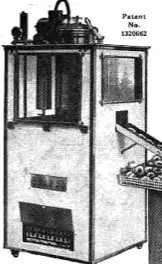
The U.S. sells 10 billion donuts every year, but they might not sell so quickly were it not for this Manhattan-born invention. Russian immigrant Adolph Levitt came up with the first donut machine based on his experiences at his bakery on 125th Street. (There were previous patents for a similar device, but it's Levitt's Doughnut Corporation of America that turned the treats into the cultural force they remain today.)
HOME SECURITY SYSTEMS & CCTV
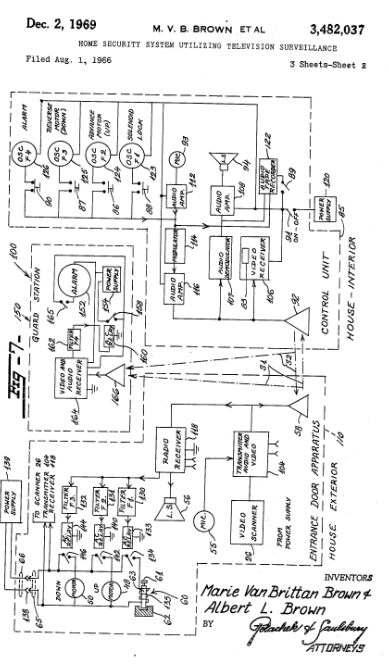
Over 12 million Ring-style video doorbells are sold every year. They owe their existence to Jamaica, Queens, where homeowners and innovators Marie Van Brittan Brown and Albert Brown patented the first video home security system. (Their idea is also the forerunner of the CCTV that now encircles the globe.) They installed the first system in their home at 151–158 135th Ave. and received their U.S. patent on December 2nd, 1969.
CORRUGATED CARDBOARD
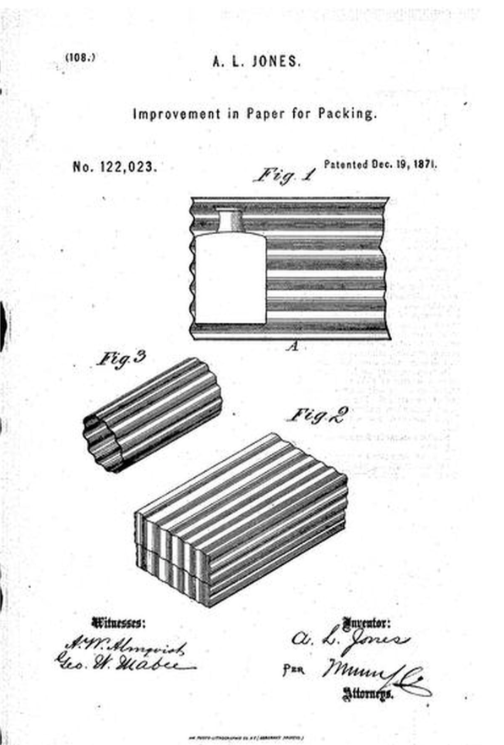
175 million tons of corrugated cardboard are produced globally every year. The innovation came from a New Yorker, Albert L. Jones, who patented it as an improvement for packing (it provided more cushioning and opened up the world of Amazon boxes that we live in today). December 19th, 1871 was the beginning, with Jones' patent—it's hard to imagine how we ever lived without it.
THE LP

The LP was a major force in popular culture, shifting the way we consumed music from the song to the album and opening up fresh territory for creativity. (Long-playing records were also a major economic mover, responsible for 300 million units annually in the format's heyday.) CBS Laboratories (CBS Records logo is above) gets credit for the innovation, which took place at 485 Madison Avenue. Research scientist Peter Goldmark led the way, with the LP unveiled at a press conference at the Waldorf-Astoria on June 21st, 1948.
THE SAFETY PIN
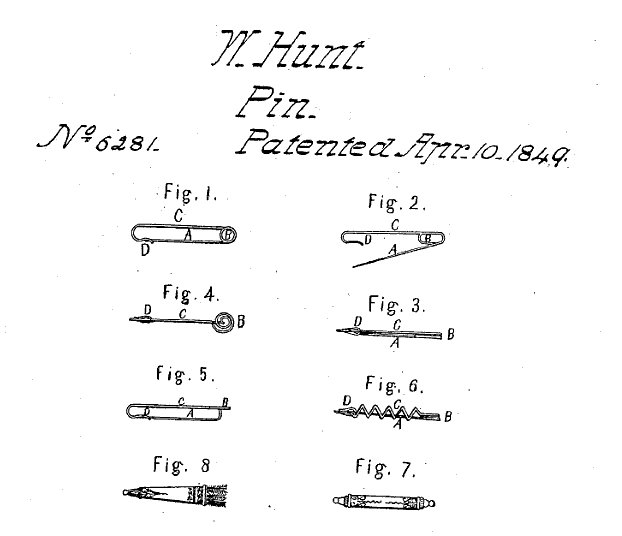
It's hard to believe that prior to 1849, this device didn't exist. The safety pin is a New York City original, invented by Walter Hunt of New York City. He sold his patent for $400 to W. R. Grace and Company, which was headquartered in the city for many years before moving to Maryland (you have no doubt noticed the striking, curving-in Grace Building across from Bryant Park, although they no longer hold offices there).
THE STROLLER
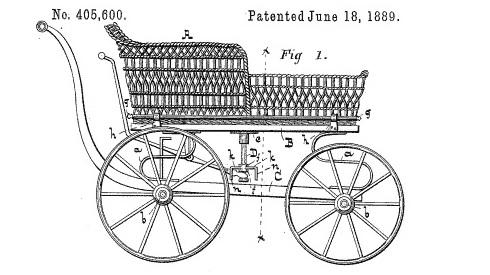
Sure, there were baby buggies going way back, but the stroller design came directly from New York City. Charles Burton got the idea in 1848, with his innovation that you would push instead of pull—that's a follow up patent above. We all know what happened in the long run. (In the short run, New Yorkers found the device unwieldy and Burton had to go to England, where the royal family's interest in the "pram" led to eventual success.)
THE TV COMMERCIAL
TV commercials are a $60 billion dollar a year industry in the U.S. alone. The business began on July 1st, 1941, ahead of a Phillies-Dodgers game aired by NYC's WNBT from Ebbets Field. Bulova was the first advertiser—they paid $9 for the privilege. (Why that date? The FCC had issued commercial licenses to 10 stations with a start date of July 1st, and New York's WNBT had one of them. They were the only station to take advantage of the new rules on that date, giving New York dibs on the beginning of TV advertising.)
GIN RUMMY
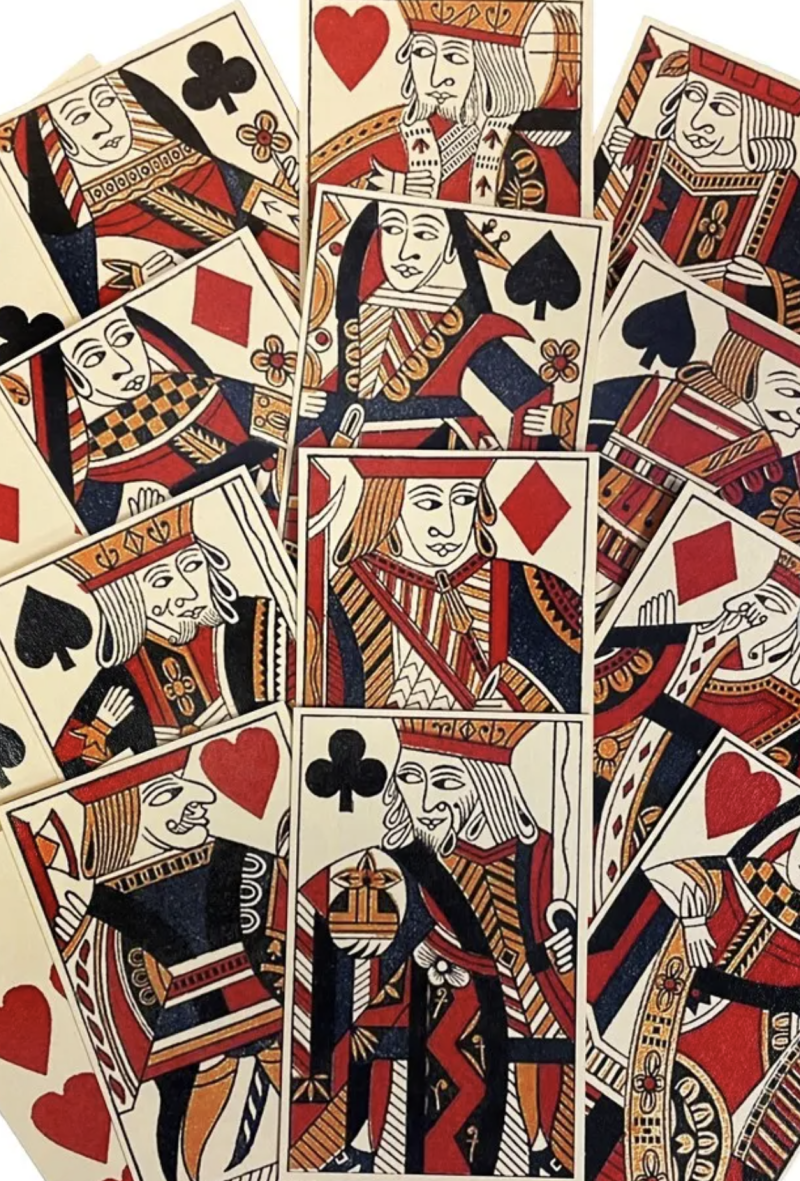
You You might think gin rummy goes back to medieval times, or at least has a history so old that no one can trace the beginnings, but the game comes from a particular time and place—Brooklyn in 1909. Elwood Thomas Baker (1854-1938) and his son Charles Graham Baker (1883-1950) came up with the game, which has gone on to become one of the most popular card games in the world.
THE ASPCA
Two million Americans are members of the ASPCA, which got its start as the American Society for the Prevention of Cruelty to Animals on April 10th, 1866. NYC-born Henry Bergh founded the organization in New York, where it has remained headquartered ever since, as America's first humane society.
THE CURE FOR TUBERCULOSIS
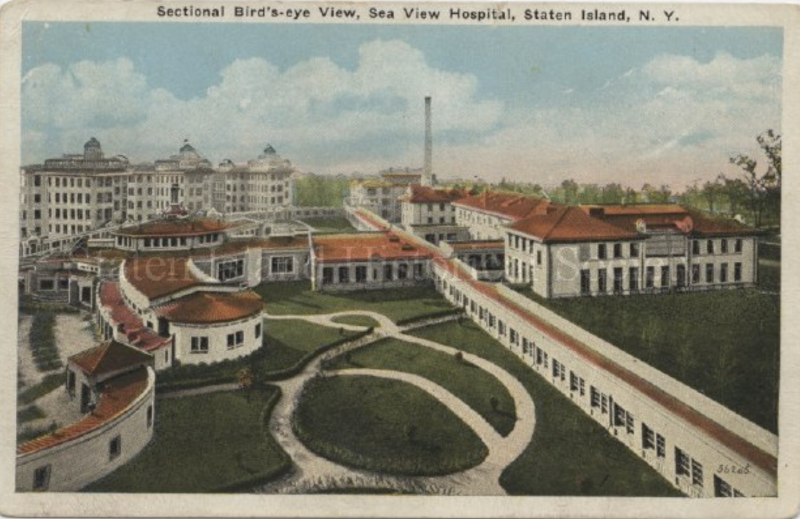
Over a billion people have lost their lives to tuberculosis over the last couple of centuries. Staten Island can claim credit for stemming the tide. In 1951, Dr. Edward H. Robitzek began to give the antibiotic isoniazid to patients at the Sea View Tuberculosis Hospital. The results were miraculous, enough that within a decade the last patient had left (and the bulk of the compound fallen into decay).
THE FIRST MOVIE THEATER
.jpg)
Originally published as an illustration to "Le Kinétoscope d'Edison" by Gaston Tissandier in La Nature, 1894.
Well, not quite a movie theater as we know them today, but the first commercial motion picture house opened in Manhattan on April 14th, 1894. The location was the southeast corner of 27th Street and Broadway (1155 Broadway, which is the site of a modern hotel today). The venue had 10 Kinetoscope screens and you could watch 5 films for a quarter (the Kinetoscope was an early motion picture device, developed at Edison labs and designed for a single viewer to watch the movie through a peephole window.)
BENIHANA

The international chain Benihana seems like it would have a Japanese origin but it actually started off in New York City. The first location was on West 56th Street in midtown, where Hiroaki Aoki invested the proceeds from a Harlem ice cream route in 1964. The company now boasts more than 100 locations around the world.
SBARRO
Sbarro is an airport food hall staple and it seems like there's one around every touristy corner. (That's not entirely your imagination: there are 600 locations in 28 countries.) The brand can be traced back to Besonhurst, Brooklyn, where Italian immigrants Gennaro and Carmela Sbarro started up an Italian grocery story in Bensonhurst, Brooklyn. The family held on until 2007, when the chain flipped to private equity investors.
TGI FRIDAYS
Today TGI Fridays can be found in 55 countries, with over 600 locations. But location #1 was right here in Manhattan. The address is 1152 First Avenue to be precise, and remnants of that first version can be seen in the current tenant at the space, the bar Baker Street Irregulars. TGI Friday's started off on March 15th, 1965, when Alan Stillman launched the concept in his search for a bar where singles could mingle—a space between male-oriented beer joints and private cocktail parties. He helped launch the single bar genre, before selling his stake in the company and moving on to steak (he co-founded the Smith & Wollensky chain).
THE ESCALATOR
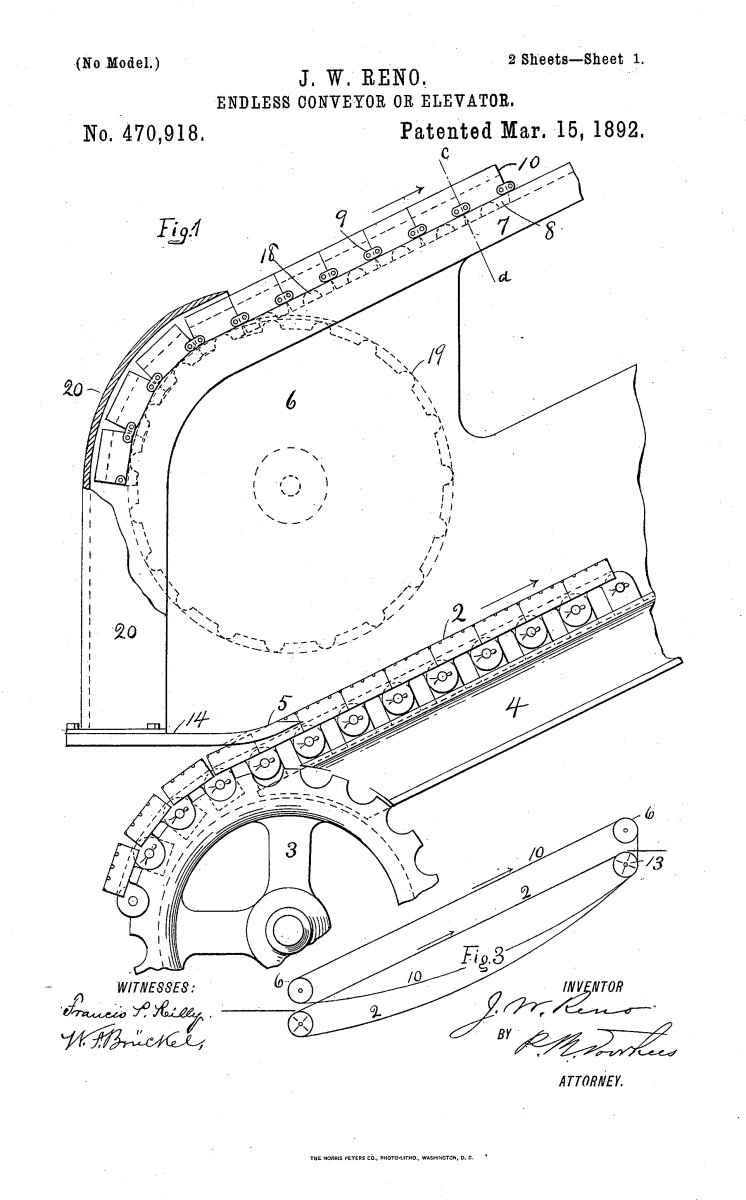
NYC had the world's first elevator, and the first escalators as well. Several inventors came up with the concept but didn't actually produce one. That honor goes to Jesse W. Reno, who put the world's first escalator into place alongside the Old Iron Pier on Coney Island in 1896. The second installation was also in New York, on the Manhattan side of the Brooklyn Bridge, given a trial run a few months later. Today, it's estimated 3.5 billion people use an escalator every single day.
HIP HOP
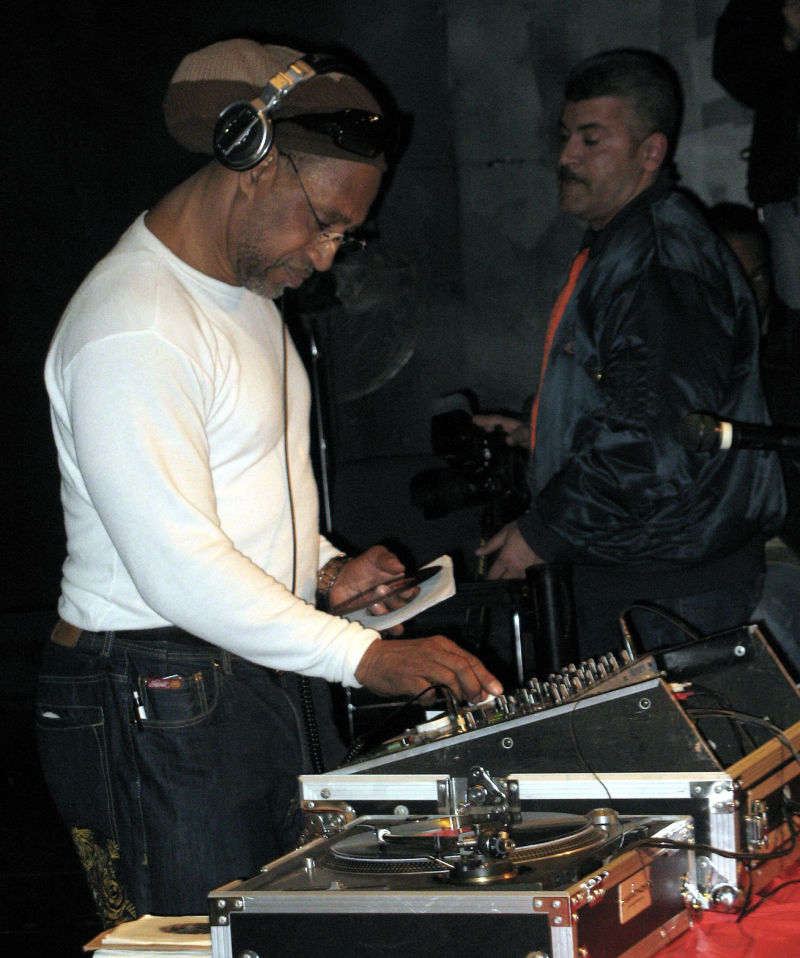
By Bigtimepeace - Own work, Public Domain.
DJ Kool Herc gets credit for hip hop's birth, at an August 11th, 1973 back-to-school party in the recreation room of his apartment building at 1520 Sedgwick Avenue in the Bronx. He used two turntables to extend the instrumental breaks of songs, allowing people to dance longer, and laying the foundation for "breakbeat" DJing.
HARE KRISHNAS
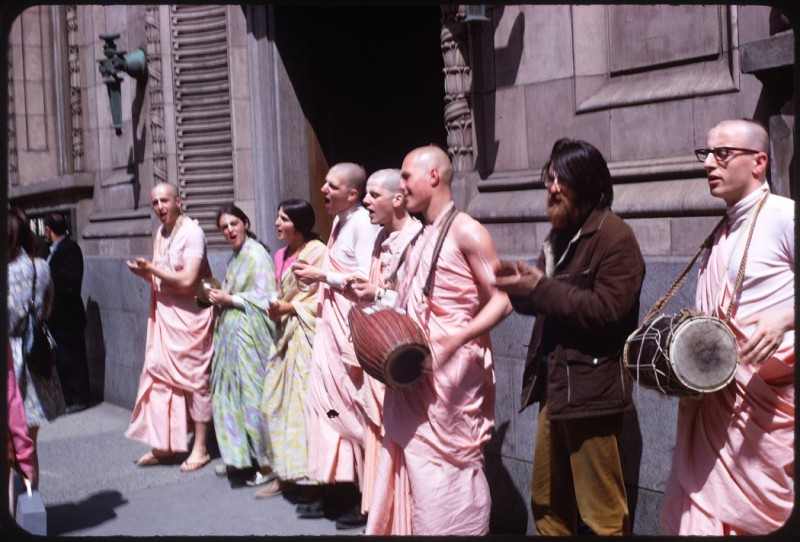
Photographer: City of Toronto Planning and Development Department, ca. 1971. Flickr.
The International Society for Krishna Consciousness or ISKCON, better known as the Hare Krishnas, has a worldwide reach. There are millions of followers today, but the organization can trace its origins to New York City, where A. C. Bhaktivedanta Swami Prabhupada founded the movement on July 13th, 1966.
FANTASY SPORTS
Fantasy sports are a monster, worth nearly $30 billion in economic activity every year. The start of this behemoth was low key, a not-much-loved French restaurant on East 52nd Street. La Rotisserie Française was where the first players of modern fantasy baseball met for lunch and the game became known as Rotisserie Baseball accordingly. Journalist Daniel Okrent gets credit for pioneering the competition, back in 1980.
DOMINO SUGAR
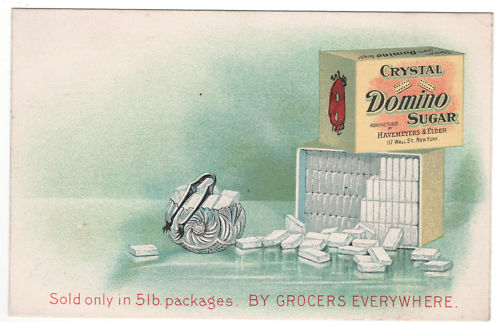
Domino Sugar began life in 1807 as the W. & F.C. Havemeyer Company, a sugar refiner on Vandam Street in Lower Manhattan. After a half century, the company moved to its iconic Williamsburg location on the East River. A couple of name changes along the way resulted in Domino becoming the official branding in 1900. Domino remains the largest sugar company in the U.S., headquartered now in Yonkers.
SPAGHETTI & MEATBALLS
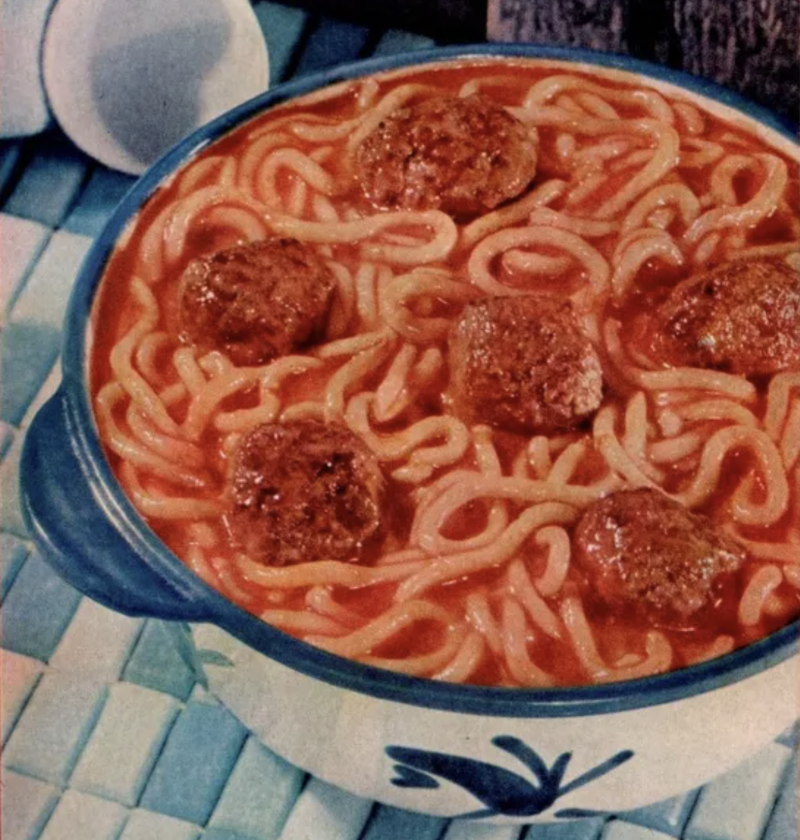
It may seem like a classic Italian dish, but this dinner table staple is actually a creation of New York City. Immigrants drew on an age-old combination, but took advantage of better access to meat in the New World. The first recorded recipe for spaghetti and meatballs appeared in 1888, published by New Yorker Juliet Corson in her book Family Living on $500 a Year.
LIONEL TRAINS
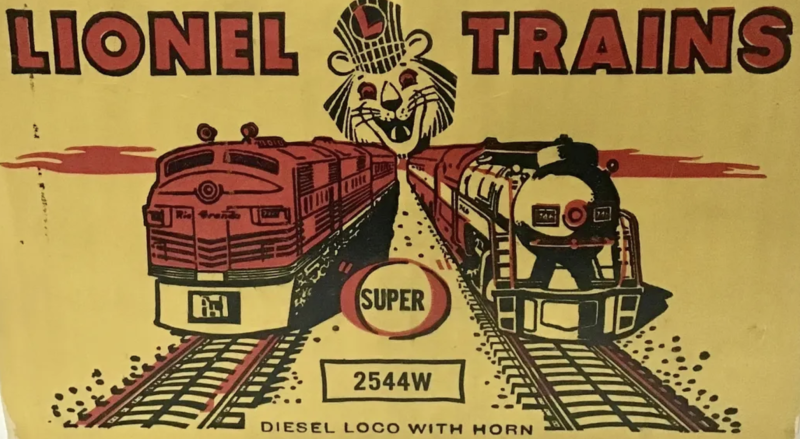
Joshua Lionel Cowen founded the Lionel Manufacturing Company near City Hall in 1900. His original business was electronics. The company's first train, the Electric Express, was built as a storefront display. When the public took interest, Cowen changed tracks and made the trains themselves the focus of the business. Lionel is still making trains today, and has the honor of having the first electric toy inducted into the National Toy Hall of Fame.
RED VELVET CAKE
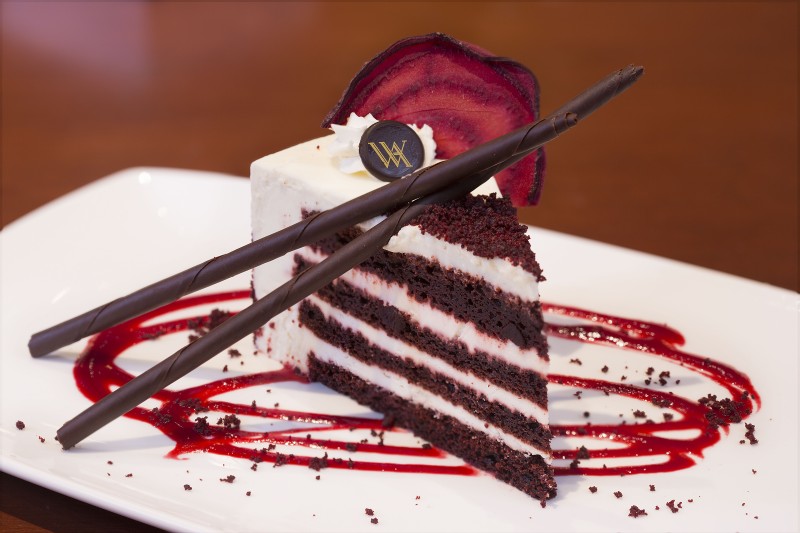
By Hennem08 - Own work, CC BY-SA 3.0
Although associated with the South, the standard recipe for this classic dessert actually originates with the Waldorf-Astoria. Red velvet cake was a staple at the hotel in the 1920s (that's their version of it pictured above).
TOOTSIE ROLLS
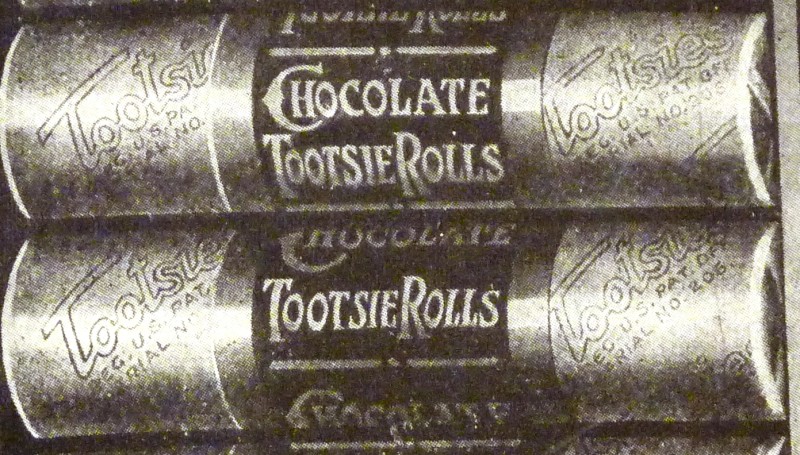
64 million Tootsie Rolls are made every day. Legend has it that each daily batch picks up from the leftovers of the day before, meaning there's a trace of the 1907 original in every Tootsie Roll sold today. Like so many New York stories, it began with an immigrant in Brooklyn. Leo Hirschfield came up with the concept, borrowing his daughter Clara's nickname for its branding. Over a century later, it's still one of the world's most popular candies.
MARVEL COMICS
The Avengers have a place of origin and it's New York City. Moe Goodman was born to immigrant parents in Brooklyn and went on to found Timely Comics in 1939 (logo above). From offices in the McGraw-Hill building, and later the Empire State Building, a franchise empire was born. In October, 1939 Marvel Comics #1 was published. M.C.U. movies have gone on to gross more than $29 billion, "making the franchise the most successful in entertainment history" per a recent New Yorker profile.
CHEF BOYARDEE
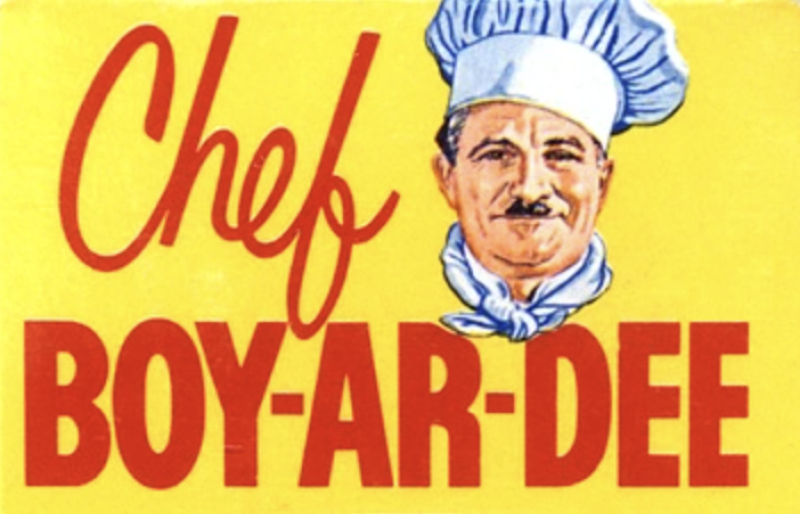
For a good chunk of the 20th century, Chef Ettore Boiardi was one of the most famous chefs in the world. His eponymous products are still sold around the world today, but Boiardi (aka Boyardee, which he thought would be easier for Americans to pronounce) made his start in New York City. The Plaza Hotel is where he received much of his training as he worked his way up to head chef.
CINCINNATI CHILI
Tom and John Kiradjieff were Macedonian immigrants who started out selling hot dogs in New York City. They would top them with a Tex-Mex chili before shifting into a version that reflected Greek/Macedonian influences. They moved to Cincinnati and the rest is midwestern culinary history. But it began in NYC.
EX-LAX
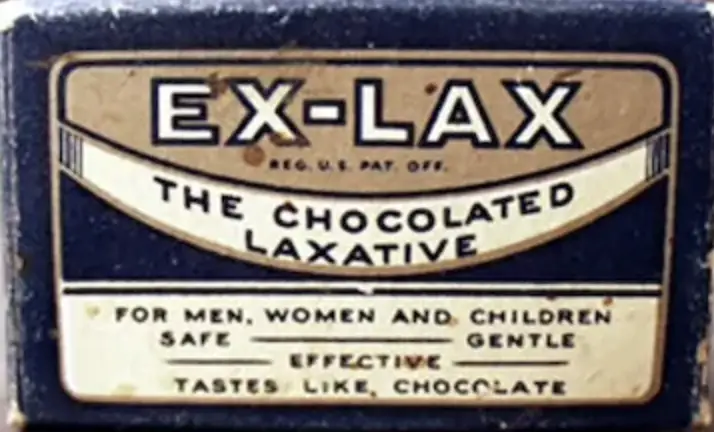
A Hungarian immigrant with the unlikely name of Max Kiss founded Ex-Lax in 1906. The brand proved popular (he'd had the genius idea to flavor it with chocolate, which found a much more receptive public than castor oil). Kiss built a factory on Atlantic Avenue which is a landmark today, although it no long manufactures laxatives. It's co-op apartments and no longer houses grumpy test-animal monkeys on its roof.
PFIZER
Today one of the biggest companies in the world (revenue last year was over $100 billion), Pfizer got its start in Brooklyn in 1849. Charles Pfizer and his cousin Charles F. Erhart began Charles Pfizer & Company by compounding chemicals on Bartlett Street in what is now Williamsburg. Amazingly, a manufacturing plant hung on in Brooklyn until 2009, even as the company's reach became world-wide.
BAZOOKA CHEWING GUM
This familiar brand has been around since 1947 and at one time boasted half of the market share in gum. It's still going strong today, although no longer owned by its founding family, the Shorins (brothers Arthur, Abram, Ira, and Philip founded it, along with their father Joseph). After 6 years of gum sales, things really accelerated with the addition of Bazooka Joe comics in 1953. Bazooka Gum was part of The Topps Company, Inc., which is also known for dominating the baseball card industry for decades. Although headquartered in Manhattan now, Bazooka Gum started out in Brooklyn, with offices and manufacturing taking place in what is today Industry City.
THE BRILLO PAD
The origin story on the Brillo Pad dates back to the early 20th century and a pair of brothers-in-law. One was a jeweler and one sold cookware and together they came up with a solution for blackened pots and pans. Combining German steel wool, soap, and the polishing compound jewelers' rouge, they were ready to hit the market. Too poor to pay for patent services, they brought in a lawyer as a third partner, and lost their names to history. But the product lives on: 225 million pads are produced every year.
THE EGG CREAM
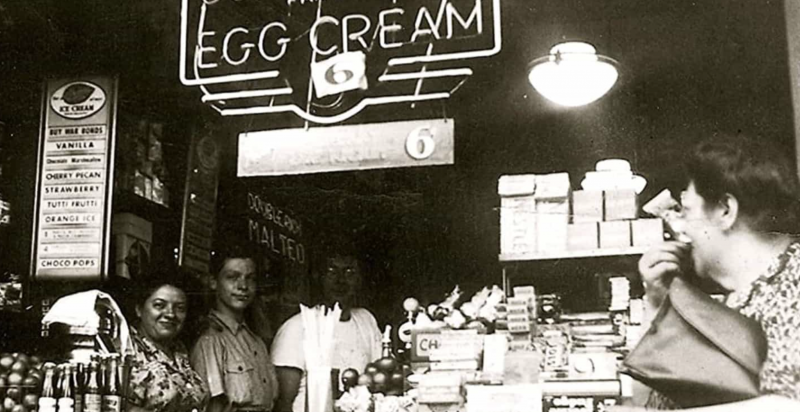
The egg cream is famous for having neither egg nor cream. Why then the name? A decent theory holds that it derives from the Yiddish "echt," meaning genuine or real, in reference to the milk. The inventor is Louis Auster, who started off with a Brooklyn candy store before opening up multiple Lower East Side locations. (By legend, it was the strength of Auster's chocolate syrup that made the drink such a success, accounting for some 90% of his stores' business.)
MR. POTATO HEAD
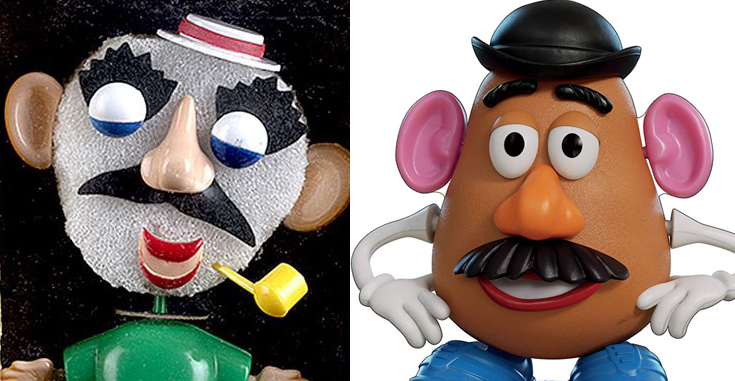
Original at left, on its way to Toy Story marquee star.
One of the most successful toys of all time, Mr. Potato Head was first manufactured by Brooklynite George Lerner in 1949. (Lerner may have gotten the inspiration from watching a nephew poke sticks into potatoes in the family garden.) When it got its major launch in 1952 it was the first toy ever advertised on TV. It was also the first campaign ever aimed at kids. It changed marketing and sold one million units just in its first year. It's still a winner today, an inductee into the the National Toy Hall of Fame.
TOILET PAPER
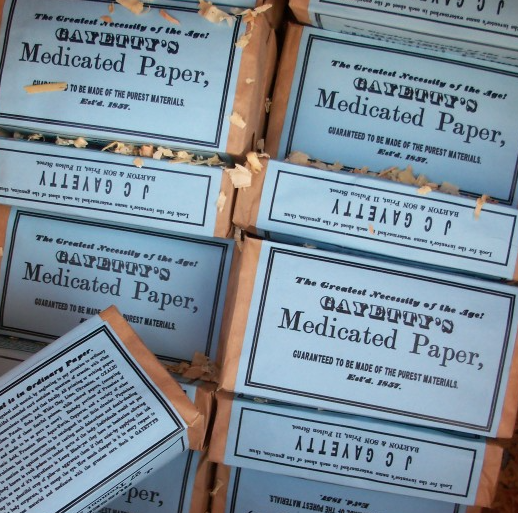
Here's a worldwide product that it seems impossible to believe hasn't been with us since the dawn of time. Its commercial form has a birthday, however: December 8th, 1857. Joseph C. Gayetty gets credit for the innovation, which he was soon enough manufacturing out of 41 Ann Street in the Financial District. Gayetty's Medicated Paper had a good run, in common use until a splinter-free alternative came along in 1935.
ROOM SERVICE
When the Waldorf Astoria relaunched in 1931, it set the standard for a modern hotel. Among its innovations: 2,200 rooms of which no two were alike; complete electrical wiring; reservations required to dine (at the Palm Room); red velvet ropes; a children's menu; and room service. (The clientele was high-profile and as part of a general design to maximize privacy, having a meal delivered to your room was an ultimate discreet luxury.)
PILATES
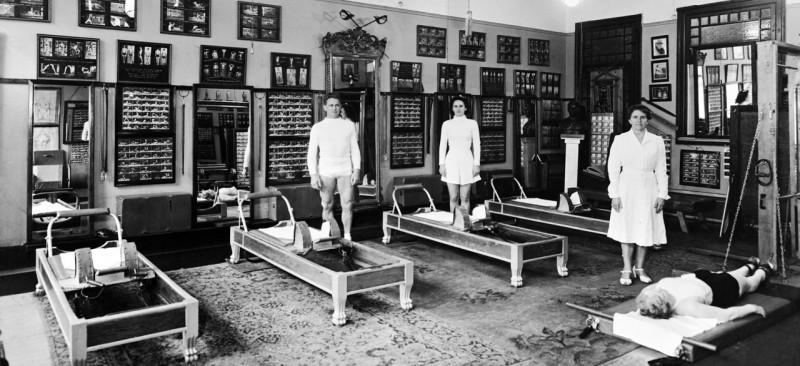
Today, there are 10 million practitioners of what Joseph Pilates called Contrology when he developed it in the 1920s. Tens of thousands of instructors teach the practice, but the very first studio was right here in Manhattan. The building still stands at 939 Eighth Ave., and the original space is still used for Pilates.
GENERAL TSO'S CHICKEN
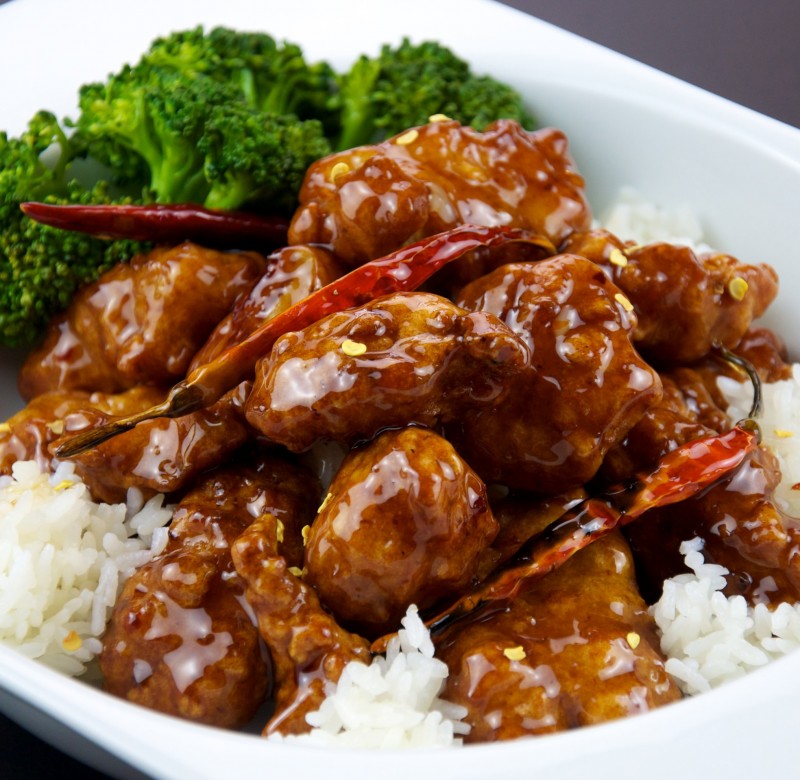
By Evan Joshua Swigart (TheCulinaryGeek) from Chicago, Illinois, USA; hometown of Ames, Iowa, USA - Flickr, CC BY 2.0.
They’ve never heard of General Tso's chicken in Hunan province, the home of Qing dynasty leader Zuo Zongtang (aka Tso Tsung-t'ang.) No, it’s a New York City original, now found on Chinese menus across the hemisphere. Chef Peng Chang-kuei gets credit, creating the dish at Peng's Restaurant on East 44th Street around 1973. (He had to add sugar to this stir-fried concoction for it to really take off with Western tastes.)
THE Q-TIP
Leo Gerstenzang claimed he invented the Q-Tip after watching his wife attach wads of cotton to toothpicks to clean their infant's ears. The truth is a little less bootstrappy—he actually bought the patent rights from Mrs. Hazel Tietjen Forbis. In any case, Gerstenzang ended up being the first person to mass-produce the cotton swab, and his Q-Tip would go on to sell 25 billion units a year. The place of origin was 132 W. 36th Street, nearly a century ago.
THE ATM

Credit for the first automated teller machine goes to New York City. Its first iteration was for deposits only, patented by Luther George Simjian, a New York inventor. Called the Bankograph, an trial version was launched in 1961 by City Bank of New York. Alas, it was ahead of its time—after 6 months it was pulled due to lack of use and Simjian never made a penny from his invention.
THE REMOTE CONTROL
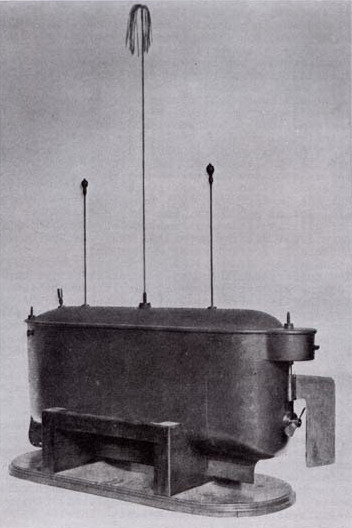
The miniature ship above was the very first object in this world to be manipulated by remote control. Nikola Tesla, a long-time Manhattan resident, invented the device and provided its first public demonstration. On December 8th, 1898, at Madison Square Garden, Tesla astonished spectators, most of whom didn't even know of the existence of invisible signal-sending radio waves. (And you could argue this invention isn't just remote control, it's also the beginning of the drone.) Unfortunately for Tesla, the invention took a long time to catch on—decades after its original patent expired.
THE BLOODY MARY
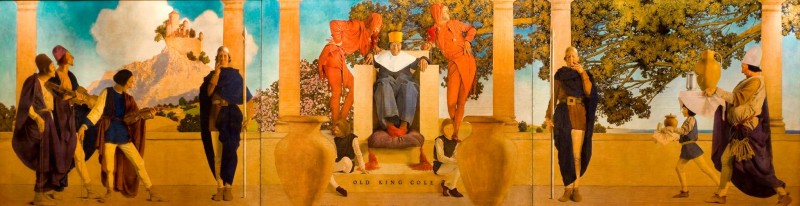
The mural above adorns the King Cole Room at the St. Regis Hotel (bonus points if you know why King Cole is smiling in Maxfield Parrish's rendition here). This regal lounge is also the birthplace of a hangover staple. The Bloody Mary was born here in 1934, taking an existing tomato and vodka tipple and tricking it out with the pepper, lemon, and Worcestershire sauce we know today. In the heyday, the St. Regis was mixing 100 to 150 Bloody Marys every day. Where would brunch be without it?
THE TEDDY BEAR
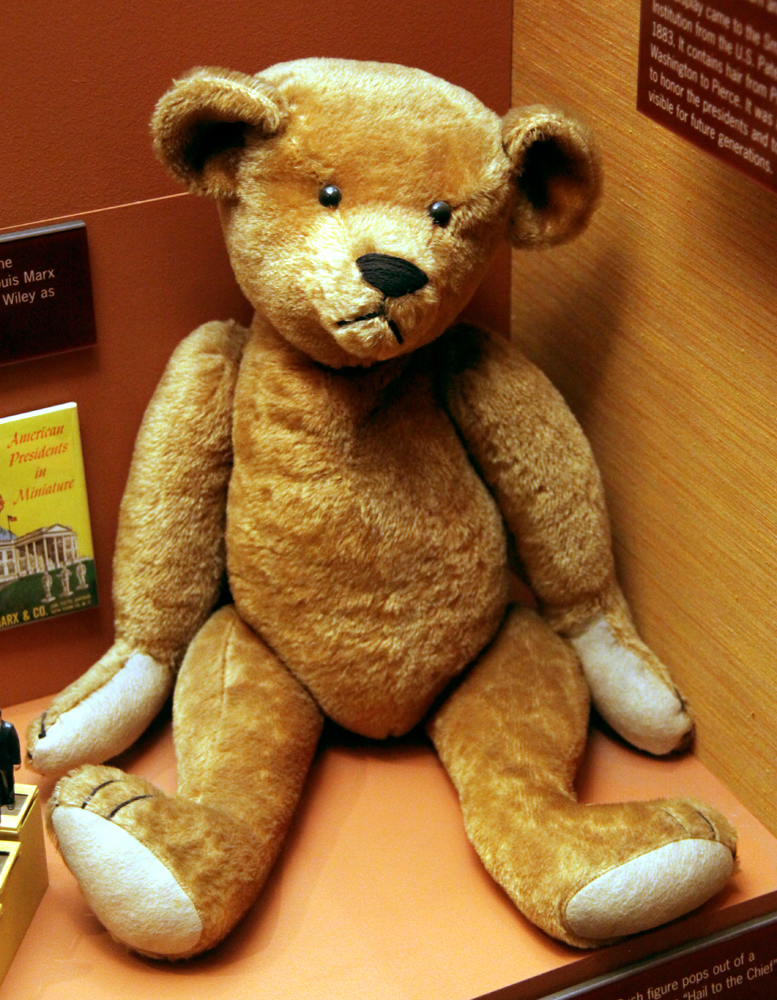
By Smithsonian Museum of Natural History—CC BY-SA 2.0
The stuffed animal here is thought to have been made by Morris Michtom in the early 1900s. Michtom, a Russian-Jewish immigrant, had a candy shop he ran with his wife at 404 Tompkins Ave. in Bed-Stuy, Brooklyn. Inspired by a political cartoon that noted President Theodore Roosevelt's compassion for a wounded bear, Michtom created a plush version that he placed in the shop window with the tag "Teddy's bear." Michtom asked for and received Roosevelt's okay to use the name and sales took off, so much so that the candy shop closed and the Michtoms created the Ideal Novelty and Toy Company. The company went on to become one of the biggest toy companies in the world, bringing us Mouse Trap, the Rubik's Cube, and the Magic 8-Ball, among many others.
SALSA
.jpg)
By William P. Gottlieb, Public Domain
The name of this music genre sounds Latin and its rhythms are clearly inspired by the islands. But salsa was invented in New York City. Evolving from the overlap of national origins that only happens in NYC, and taking inspirations from the city's jazz heritage, salsa came up from the Big Apple before being exported all around the region.
PASTA PRIMAVERA
Pasta primavera seems like a dish that goes back to old Italy, with a few centuries of tradition backing it. In fact, it's a New York City creation. It hit the big time in a 1977 Times article that included the recipe. Prior to that, it was an unlisted special at an uptown French restaurant. (The chef-owner, Sirio Maccioni, was Italian at least.) According to lore, the French chefs at Le Cirque refused to allow pasta to be served, so to accommodate orders a pasta pot had to be set up in the hallway and the dish finished by waitstaff in the dining room.
PUFFED RICE
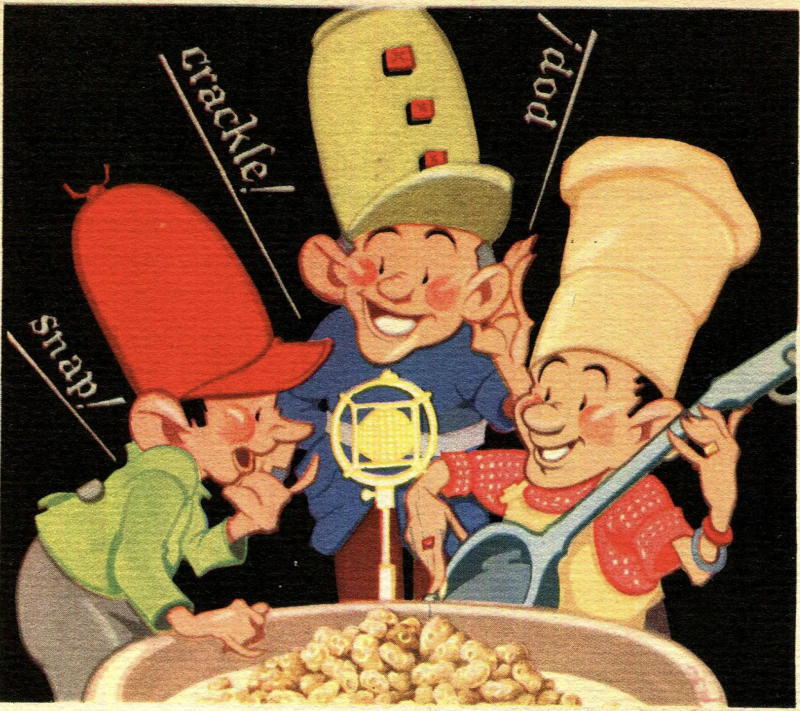
School bake sales would never be the same after December, 1901. That’s when Botanist Alexander Pierce Anderson conducted a successful experiment in a laboratory at the New York Botanical Garden. As the garden explains, Anderson was confirming the theory that "a starch granule contains a minuscule amount of condensed water within its nucleus." When the grains exploded and puffed up to eight times their original size, Anderson knew the prediction was accurate (and that commercial applications would not be far away). Today, Rice Krispies alone sells over 40 million boxes a year.
COLORFORMS
Remembering this toy—proudly pre-screen—may date you, although it's still going strong, complete with its own Netflix show. Colorforms were born more than 70 years ago in a Manhattan bathroom. (The adhesive quality of the glossy paint there was what made Harry and Patricia Kislevitz realize they were onto something.) It went on to licensing agreements with pop culture icons (Popeye was the first) and accolades like ranking among the Top 10 Toys of the Century by the Toy Industry of America (TIA).
THE HERO

This food seems like such a part of the city fabric it's kind of amazing that before 1937 it didn't carry this name. The item is an Italian-American standby, and its moniker originated with Manganaro’s in Hell's Kitchen. That Grosseria Italiana opened in 1893 and lasted all the way to 2012. As W42ST explains, the large portioned sandwiches inspired New York Herald Tribune food writer Clementine to quip “You had to be a hero to finish one.”
THE PLAYGROUND
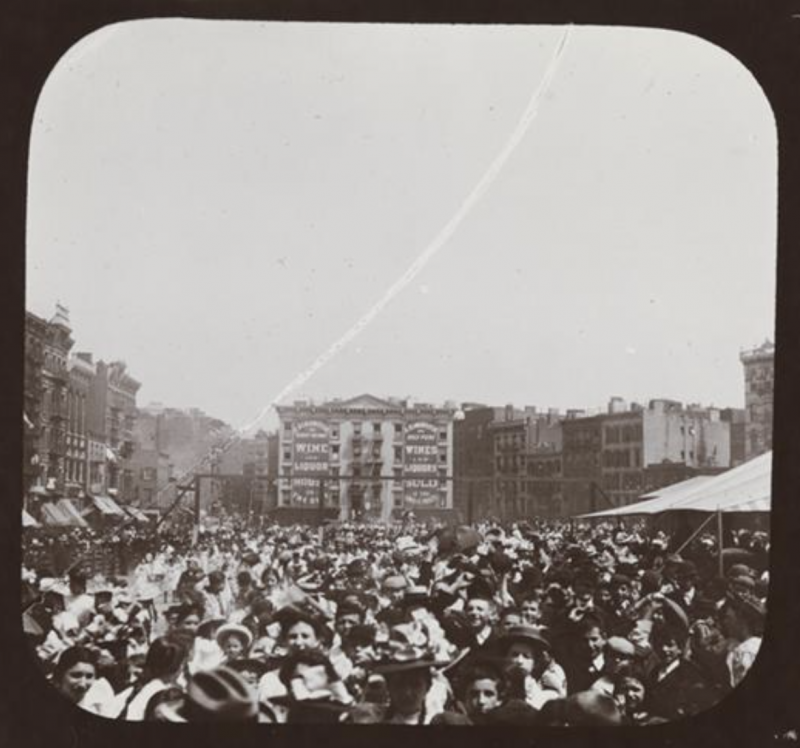
Jacob August Riis, Waiting to be let into playground, ca. 1900, Museum of the City of New York, 90.13.4.52.
For centuries, New York City parents have sought ways to get their kids fresh air without immersing them in the hazards of urban living. On October 17th, 1903, Manhattan rolled out a new innovation for the problem: the municipal playground. The nation's first took over a sizable plot on the Lower East Side at Seward Park. It was a smash success and went on to spawn hundred of thousands of versions, changing parenthood forever.
LOBSTER NEWBERG
Although the origins are a little hazy, Manhattan takes credit for Lobster Newberg. This rich combination of lobster, butter, cream, cognac, sherry, eggs, and cayenne pepper started out at Delmonico's as the inspiration of sea captain Ben Wenberg. After a fight with Charles Delmonico, the name was changed to Newberg (an anagram for Wenberg). The dish was an instant hit and is still classing up dining tables a century and a half later.
SANTA CLAUS
.jpeg)
Print of St Nicholas by John Pintard (1810); courtesy of the New-York Historical Society via Wikimedia.
Okay, maybe not invented—St. Nick goes back many centuries in European traditions. But the Santa Claus we know today, with a sleigh, a questionable commitment to fitness, and a red suit? That's pure New York City. Washington Irving, Clement Clarke Moore, and Thomas Nast all played roles in the creation, as 6sqft explains.
THE FIRST CELL PHONE CALL

On April 3rd, 1973, on Sixth Avenue between 53rd and 54th Streets, Motorola engineer Martin Cooper reached out to Joel Engel of Bell Laboratories at AT&T. Cooper wanted his rival to know that Motorola had reached the finish line first, developing the first mobile phone. This was the world's first ever cell phone call, made from a Manhattan sidewalk.
CHEWING GUM
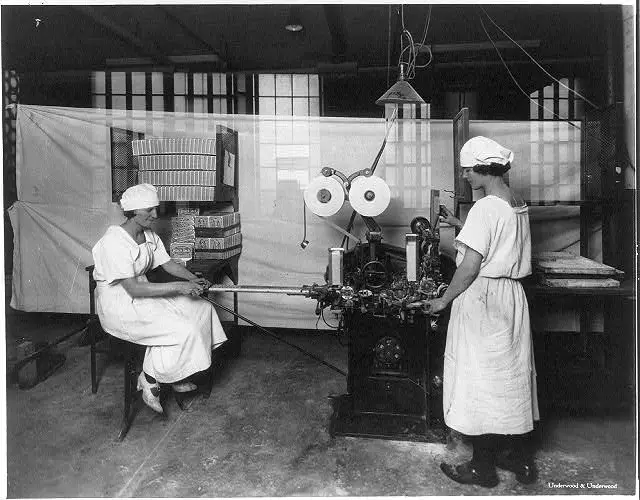
Although people have been chewing on tree gum for thousands of years, it took a New Yorker to make an industry out of it. In 1871, Thomas Adams of Staten Island patented a machine for mass producing gum. He was turned on to the substance by Mexican general López de Santa Anna, who employed Adams as a secretary and stayed in his home while in exile. Adams went on to build a gum empire (including Chiclets), which contributes to a $30 billion dollar industry.
BAKED ALASKA
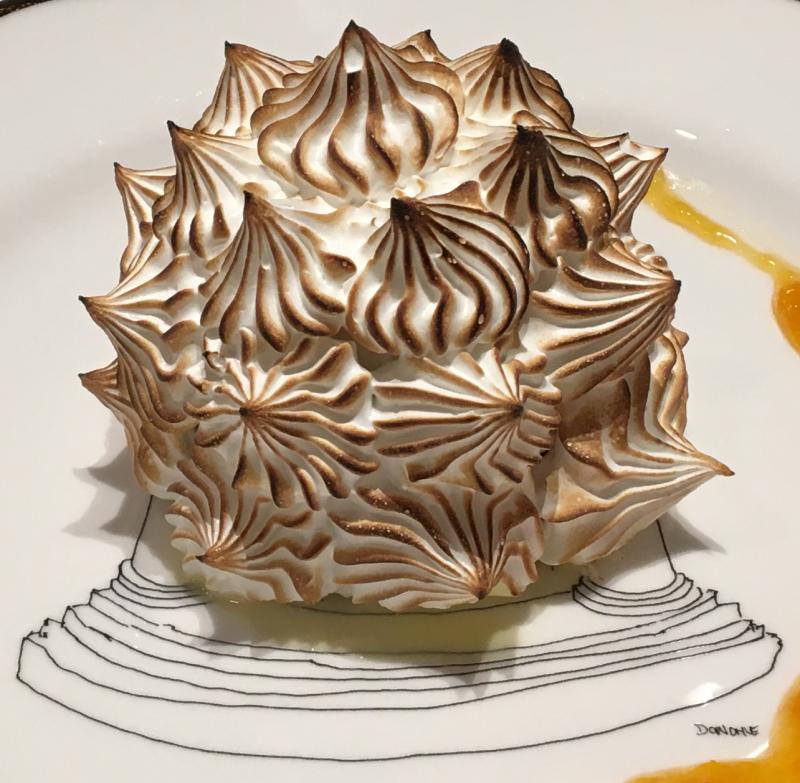
You probably know the name, but do you recognize this Manhattan-made dessert? Baked Alaska started at Delmonico's in 1876. The name honored the $7.2 million purchase of Alaska a few years prior—maybe taking inspiration from the climate of the new territory.
CORNING GLASS WORKS
Although originally founded in Massachusetts, the Corning Glass Works grew big from a New York City foundation.
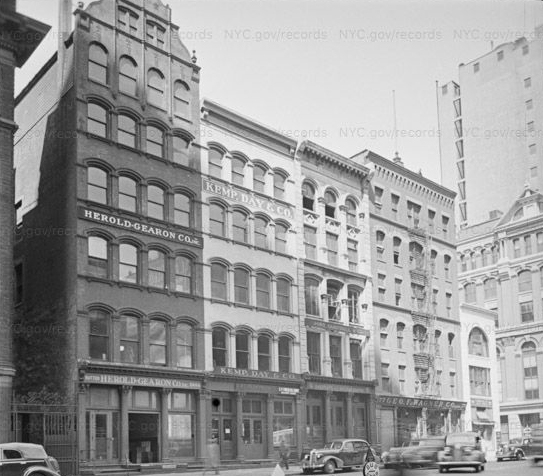
It started out in Williamsburg as the Brooklyn Flint Glass Works before moving to 73 Hudson St. in Lower Manhattan (above). In 1868, Corning Glass Works moved upstate to Corning, NY, and changed names again. Until recently it made Pyrex, a fixture of kitchens around the world. The company is still going strong today, as a major supplier of smart phone glass.
THE REUBEN
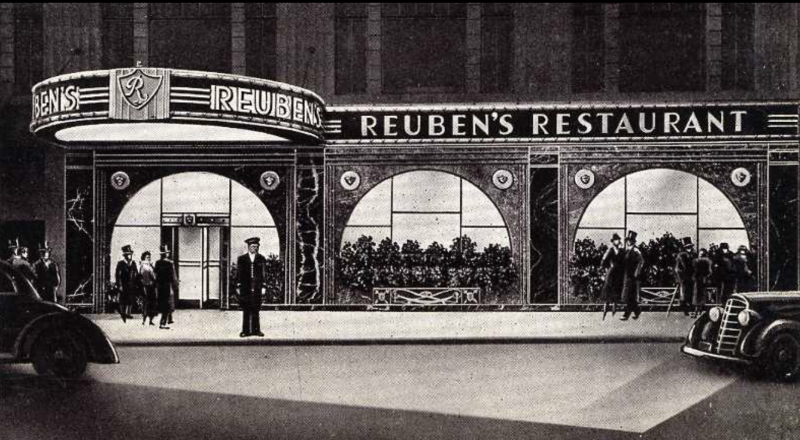
The origin story of this classic sandwich is somewhat contested, but we'll run with a highly plausible rendition: Arnold Reuben (1883-1970) of Rueben's Restaurant (1908-2001) created it in 1914 in a late-night improvisation. The first customer was a Charlie Chaplin leading lady, Annette Seelos, who could have gone down in history with her name on menus everywhere. But Arnold Reuben thought better of it, and the rest is sandwich history.
THE CROSSWORD PUZZLE
On December 21st, 1913, Arthur Wynne published the first crossword puzzle in the pages of the New York World. Although other word puzzles existed, Wynne's version used several innovations that are easy to recognize in the form over a century later. Wynne called his invention a ˇWord-Cross Puzzle" but a typesetting error reworked it as "Cross-Word," as it's been known ever since.

THE WORLD'S FIRST ELEVATOR
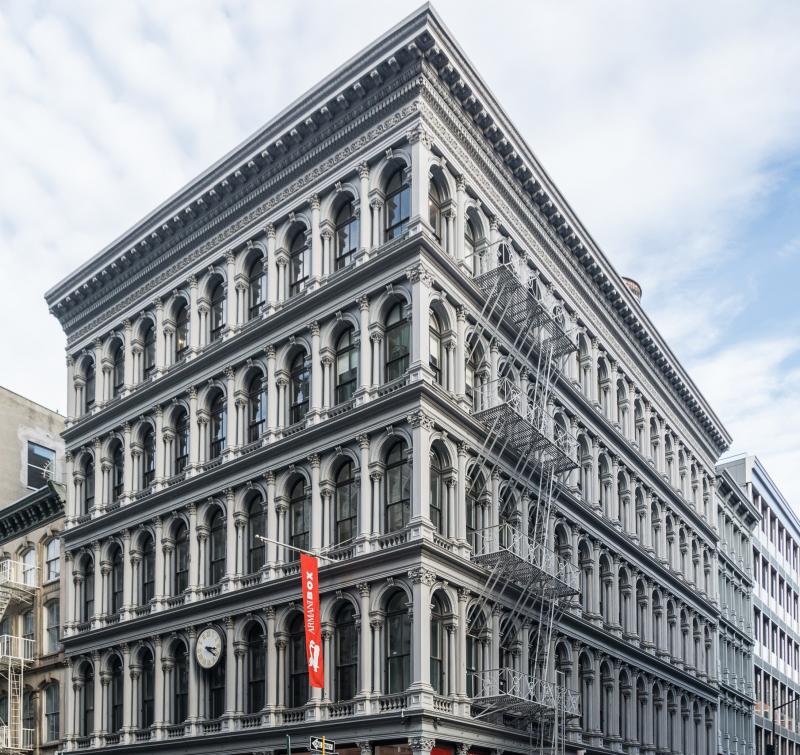
By Kenneth C. Zirkel - Own work, CC BY-SA 4.0
This SoHo building still stands, the site on March 23rd, 1857 of the world's first passenger elevator. It was installed by a man with a familiar name—Elisha Graves Otis—who had been inspired to build the device by the challenges of lifting debris at the bedstead factory he managed in Yonkers. New York City, and every other city around the world, was forever changed by the innovation he brought to the Haughwout Emporium.
AIR CONDITIONING
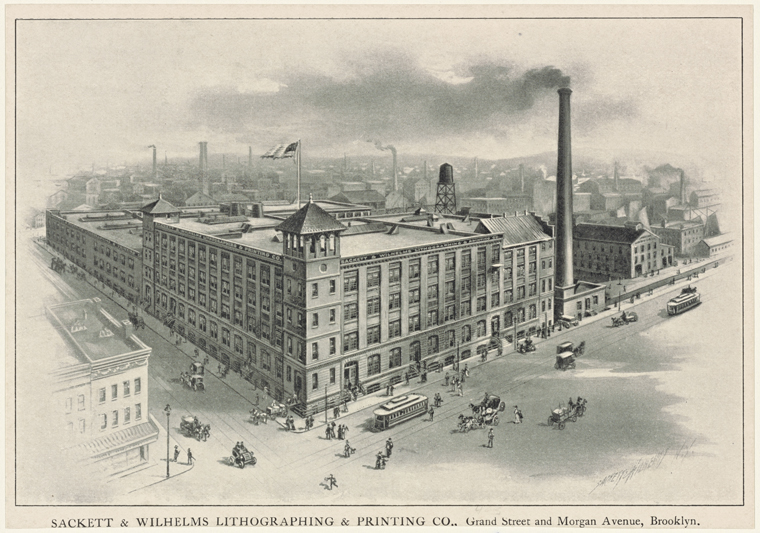
The world would be inhabited in very different ways if not for air conditioning. The first place to ever employ it was Brooklyn's own Sackett & Wilhelms Lithography and Printing Company, which is still standing in East Williamsburg. On July 17, 1902, engineer Willis Haviland Carrier designed the first AC, to help with the humidity issues that were throwing off the printers' schedules. He succeeded, and the rest is cold air history.
PASTRAMI
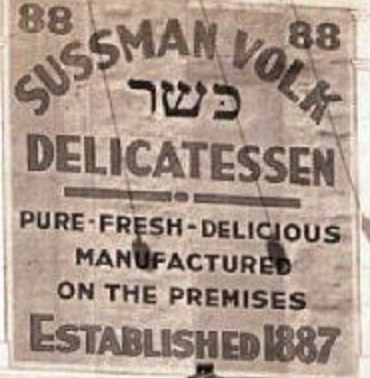
This staple seems like it must come from the old country and indeed its name originates with the Turkish and Azerbaijan verb "to press." Sussman Volk gets credit for the invention circa 1887, on the Lower East Side, where it still holds sway. (There's more than a little controversy on when exactly he adapted an old Romanian recipe, but he was certainly proprietor of one of the first of the New York delis, which created their own take on pastrami on its way to becoming a nationwide favorite.)
THE FIRST TEXT
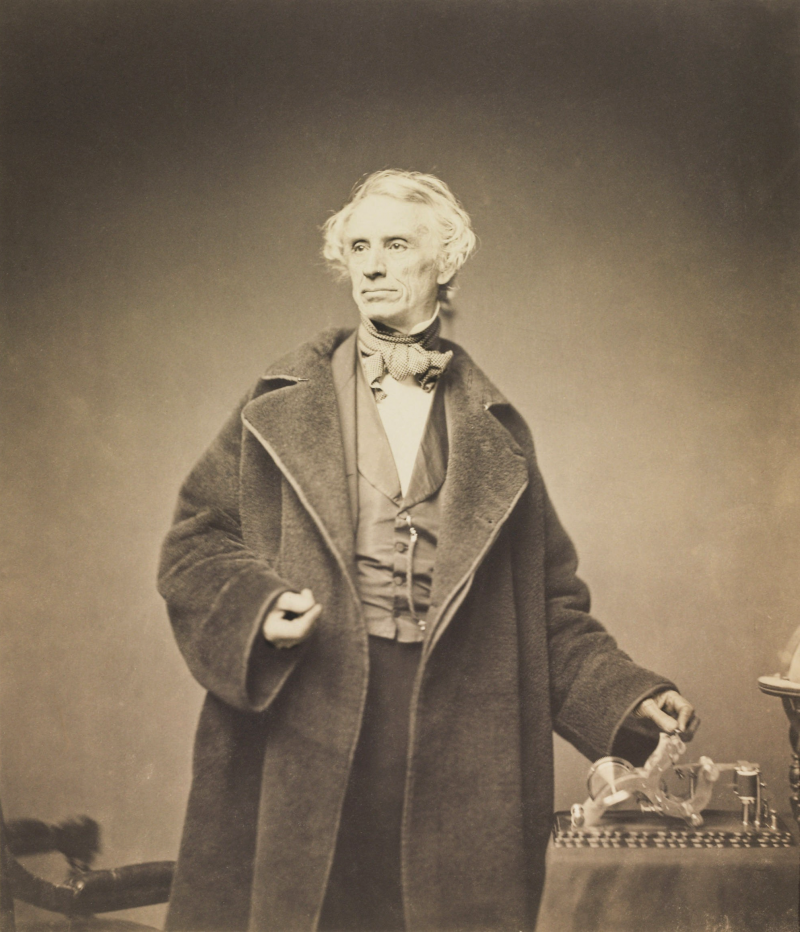
By Mathew Benjamin Brady - Christies, Public Domain.
Samuel Morse of Morse Code fame sent the first ever text. It went from Greenwich Village on January 24th, 1838, along a mile-long copper wire from Morse's laboratory window and in and out of Washington Square Park. The message? Attention the Universe by kingdoms right wheel, which has probably never been texted since.
A GAME FROM QUEENS
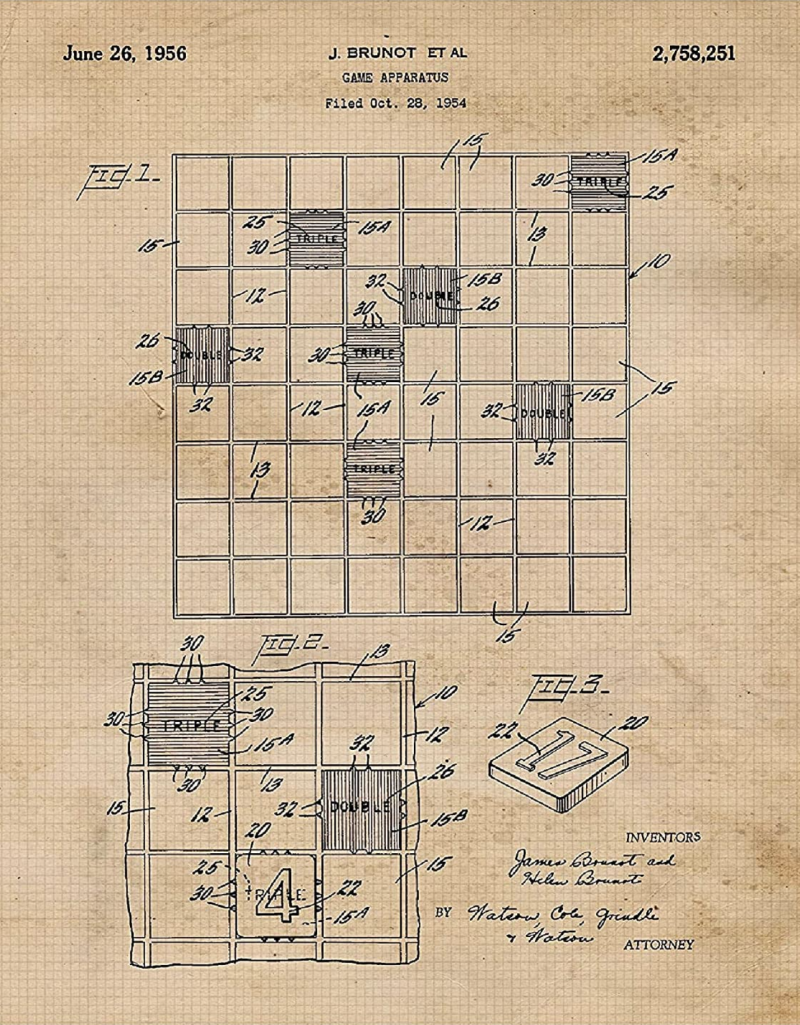
Architect Alfred Mosher Butts came up with this iconic game in 1938, in Jackson Heights, Queens. Scrabble has gone from this humble beginnings to global domination—it's available in more than 100 countries and can be found in half the homes in Britain.
A BASEBALL INNOVATION
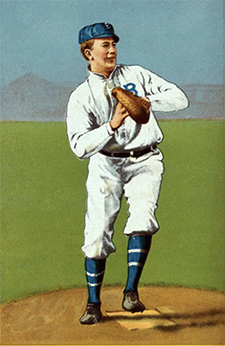
The curveball was born in Brooklyn! Although in history and baseball no things are wholly linear, so there is some controversy over who gets the credit. Candy Cummings, a Brooklyn pitcher, often gets the nod, but there's evidence to support "Phonney" Martin of the Brooklyn Eckfords and Fred Goldsmith, who demonstrated a curve at the Capitoline Grounds in Brooklyn in 1870. Either way, Brooklyn is the city of record for one of the most iconic innovations in the game.
THE HOT DOG
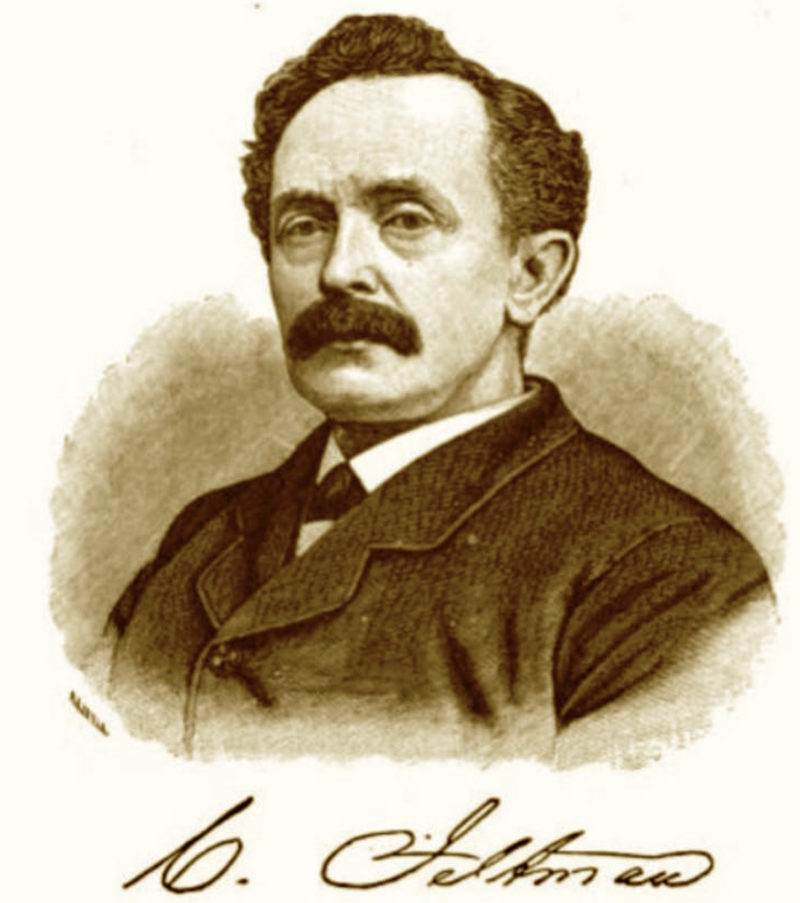
As American food choices go, it's hard to get more ubiquitous than the hot dog. But before we ate them in the billions, somebody had to invent them. That man was German-American baker Charles Feltman, whose boardwalk cart on Coney Island launched an American classic in 1867.
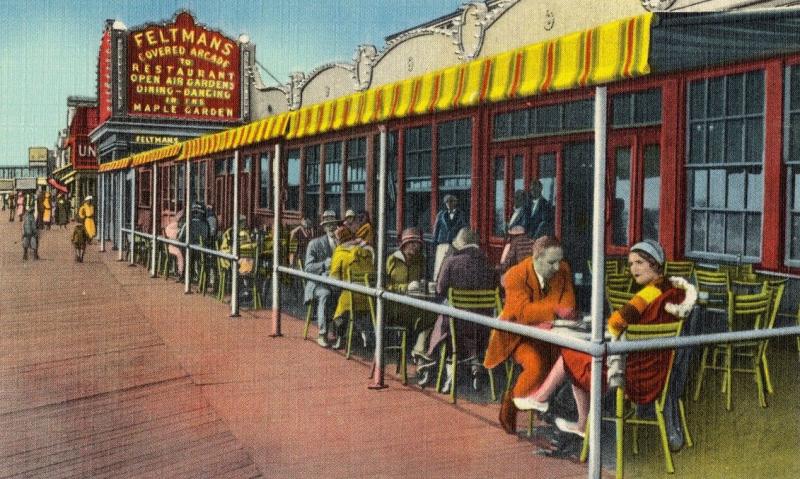
A BRUNCH STAPLE
Eggs Benedict are a New York City original. Chef Charles Ranhofer published a recipe for them in his 1894 cookbook, some three decades after they first appeared at Lower Manhattan's Delmonico's restaurant. Although others claim credit, the cookbook citation for Ranhofer's Eggs à la Benedick makes the most convincing case. Delmonico's has been around since 1837, through many owners and incarnations—its flagship in Lower Manhattan has reopened after a COVID pause.
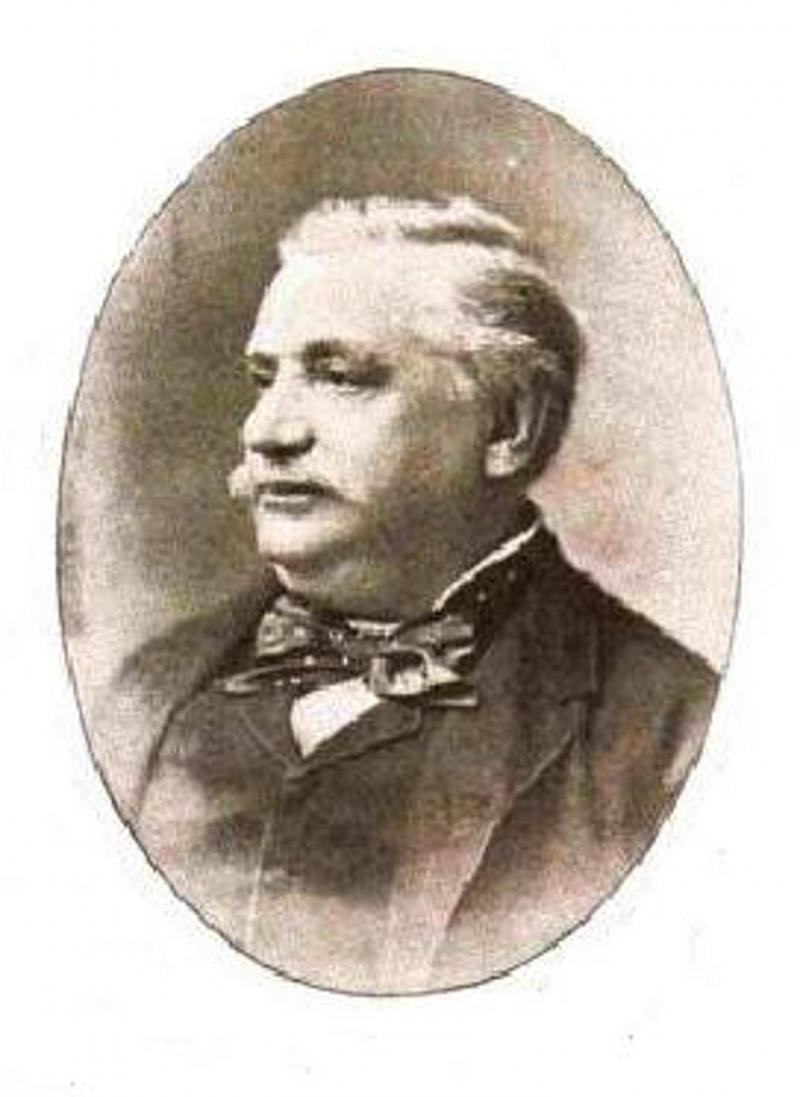
Charles Ranhofer on the flyleaf of his book of The Epicurian (1894).
AN ENTIRE CATEGORY OF DESSERT
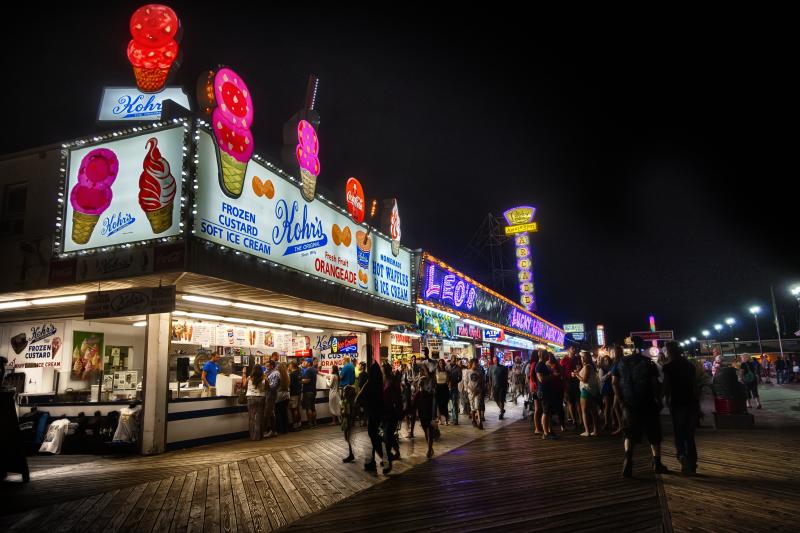
James Loesch/Flickr.
Frozen custard debuted on Coney Island in 1919. The Kohr Brothers had already created a smoother, lighter version of ice cream (it had less fat and less sugar). To keep the product from melting too quickly in the warm salt air, they added eggs to the recipe. The result was light and fluffy and the world's first frozen custard. You can still buy it, from the same family, at boardwalks all along the mid-Atlantic.
A NATIONAL HOLIDAY
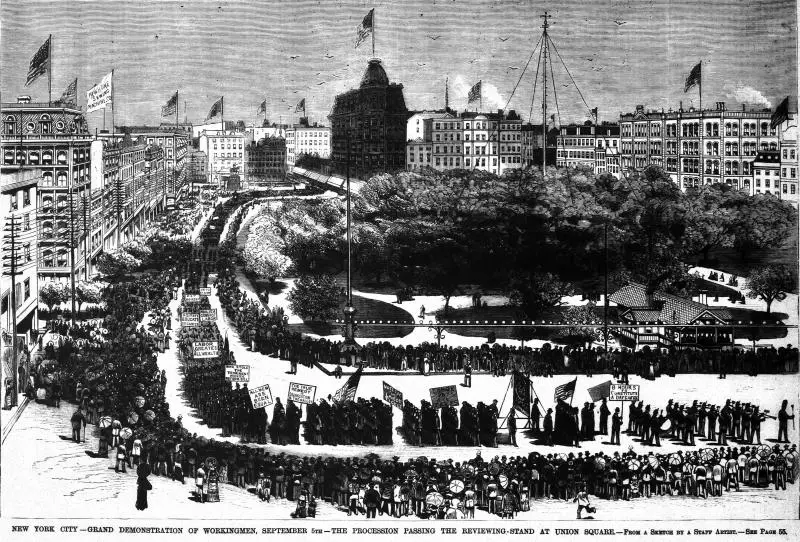
September 5th, 1882 saw speeches, picnics, concerts, and a parade from City Hall to Union Square. It marked the first observation of what would become a nationwide affair just a few years later. Origins are murky—Matthew Maguire, a machinist and secretary of the Central Labor Union of New York proposed a parade, as did Peter J. McGuire, cofounder of the American Federation of Labor, that same year. Either way, you can thank New York City for your long weekend kicking off September.
DEVIL DOGS AND RING DINGS

The Drake's brand began as The N.E. Drake Baking Company in Harlem in 1896. It went on to become the first baker to deliver large quantities of baked goods to grocery stores. Devil Dogs and Ring Dings are among the household-name treats it sells (it's still in business today, back to being a family-run business after changing hands several times).
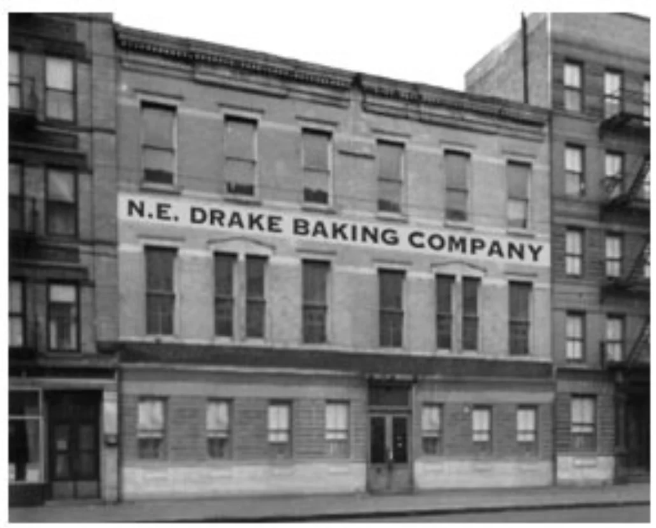
West Harlem beginnings. Image via Drake's.
A FAVORITE KID SNACK
Major manufacturers jumped on this product in 1980, knocking off the Brooklyn original Joray and filling grocery shelves across the nation. It was the first fruit rollup, and it's still made today in Windsor Terrace, Brooklyn. The fourth generation of the family is still manufacturing the product, following in the footsteps of patriarch George Shalhoub, who followed his American Dream starting in 1886.
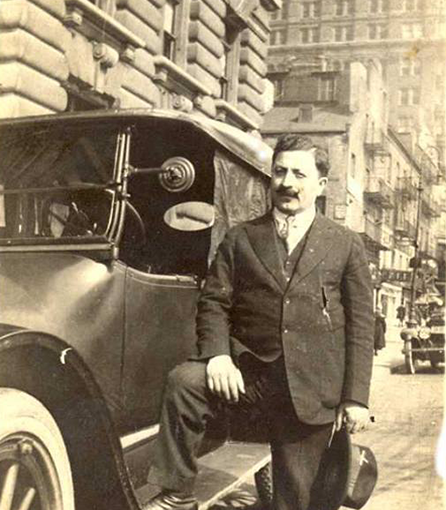
WHEREVER YOU GO...
With WWII wrapped up, Ben Eisenstadt’s Brooklyn Navy Yard cafeteria was short on customers. He closed it up and went into the tea business, where the individual bags inspired him to do something about the dirty sugar bowls he found in city restaurants. The result was the invention of the modern sugar packet and the sugar substitute Sweet’N Low—both born in Brooklyn. Bonus trivia: who received Federal Trademark Registration No. 1,000,000? Sweet’N Low.
MILK'S FAVORITE COOKIE
The name Oreo was trademarked on March 14, 1912 by the National Biscuit Company, aka Nabisco. Its origins are in Manhattan, at the factory which is now Chelsea Market. You may think of Hydrox as an Oreo knockoff, but it's actually the other way around—the Sunshine company version came first, in 1908.
PURE. FRESH. CLEAN.

This global company reaches hundreds of millions of consumers worldwide today. Its beginnings were humble, however, as a soap and candle manufacturer on Dutch Street in Lower Manhattan in 1806. Recognize this New York-born behemoth?
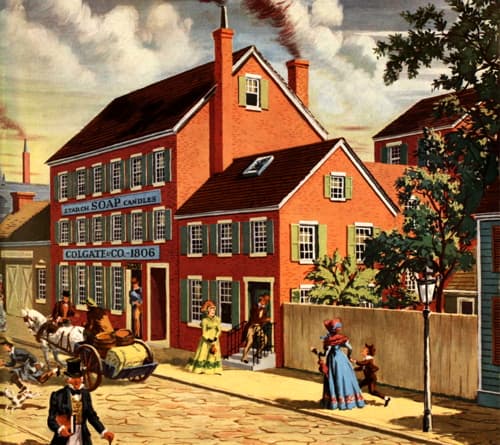
It's Colgate. William Colgate (1783–1857) founded the company that would become Colgate-Palmolive, good for over $17 billion in sales annually.
A PAINT LIKE NO OTHER
This international brand got its start in Brooklyn in 1883. The first factory at 55 Atlantic Avenue burned down just a year after it opened—but that didn't slow down Benjamin Moore and company. They were back in business three days later.
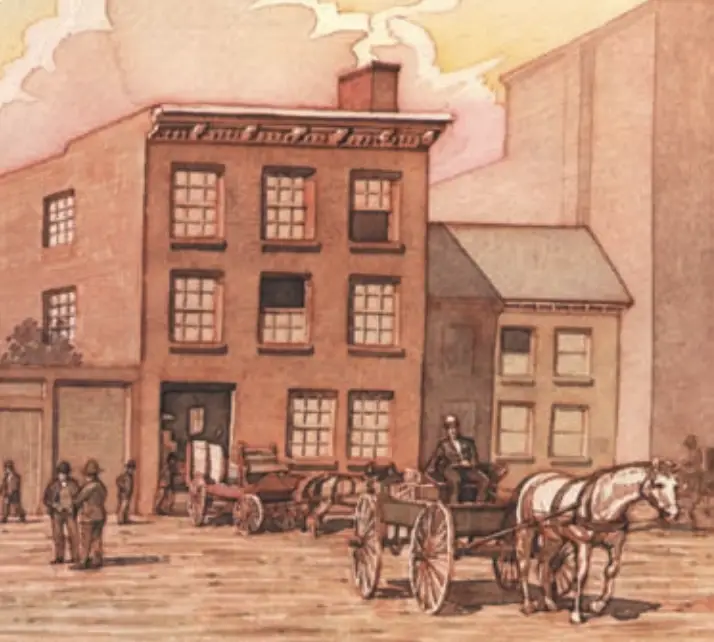
Image: Benjamin Moore Paints Archives.
BRING OUT THE BEST

Recognize this condiment's blue ribbon? Hellmann's has been enticing cooks to "bring out the best" since 1905, when immigrant Richard Hellmann started selling mayonnaise out of a delicatessen at 490 Columbus Avenue on the Upper West Side. By 1913 he had incorporated the business as Hellmann's Blue Ribbon Mayonnaise, which is still thriving today, albeit under multinational ownership.
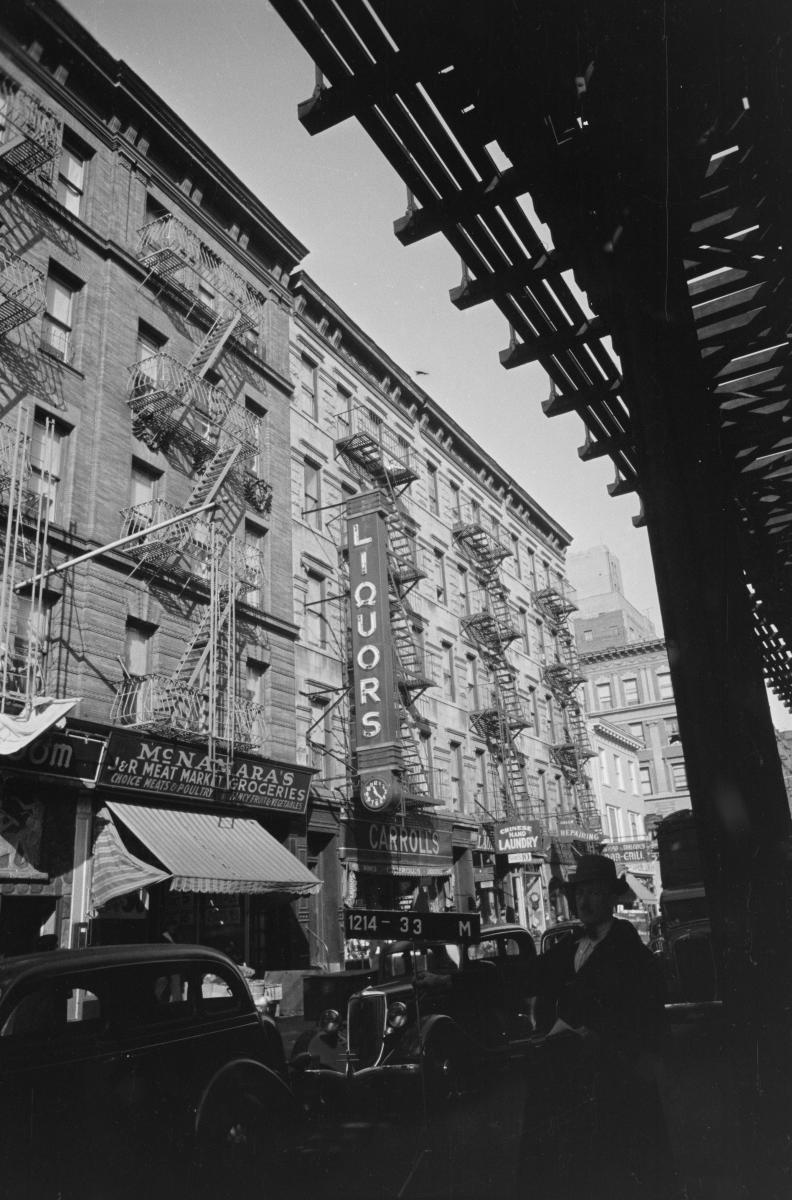
Birthplace of Hellmann's (subsequently torn down). NYC Municipal Archive.
AN INTERNATIONAL FINANCE INNOVATION
In 1949, Frank McNamara realized he'd left his wallet in another suit after a client meal on West 33rd Street. He was inspired to avoid future embarrassment by creating a card that would substitute for cash. From Majors Cabin Grill to an innovation that changed the world: NYC was home to the first credit card, Diners Club. (It's still in business today, with operations in 59 countries.)
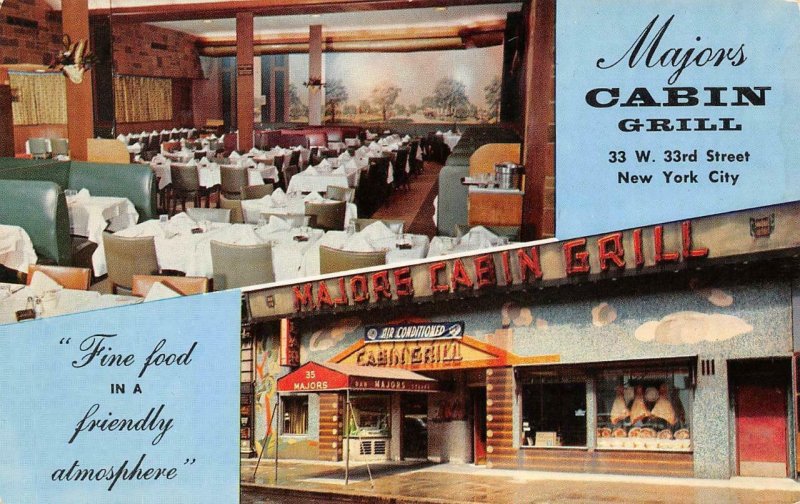
Birthplace of the credit card.
A HEARTLAND HEAVY LIFTER
A legend of American highways, most people would never guess this brand began in Brooklyn. The history dates back to John M. ("Jack") Mack getting a job at Brooklyn carriage and wagon company Fallesen & Berry in 1890. By 1893, Jack and his brother Gus had bought the company and by 1900 they had opened their first bus manufacturing plant on Atlantic Avenue. They added the brand name "Manhattan" to their vehicles and the company took off from there.
Jack Mack.
ONE OF THE WORLD'S MOST FAMOUS TRADEMARKS

Recognize his symbol? You'd think Dixie Cups hailed from the heart of the southland, but this trademark owes its origins to Chelsea in Manhattan. It was actually a bit of laziness that gave the cup its name—the headquarters at 220 W. 19th St. had a tenant named Dixie Dolls, which took that name because the owner didn't bother to switch a sign from a previous tenant. When the "Health Cups" name was a fail, the cup manufacturer asked his neighbor if he could borrow the Dixie moniker and the rest is trademark history.
A BREAKFAST STAPLE THAT ORIGINATED IN NEW YORK—NOT THE UK
If you guessed Thomas' English Muffins, you got it right. In 1880, Samuel B. Thomas opened the first Thomas’ bakery in New York City, after emigrating from England. Renovations by residents in an apartment building at 337 W. 20th St. in 2006 revealed one of the brand's original ovens.